
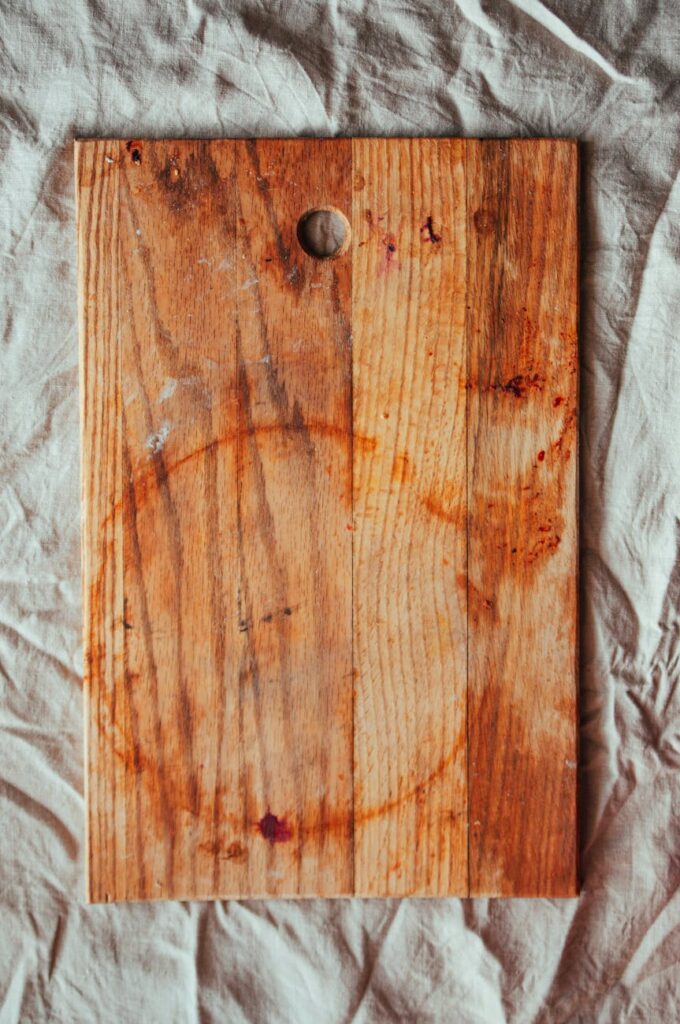
Wood Floor Stains Odours Guide Part 1
Introduction
Wood floors add warmth and character to a home, but they can also trap unpleasant odours, especially when stains occur. Whether it’s from spilled food, pet accidents, or moisture, these odours can linger, affecting the overall atmosphere of your living space. In this guide, we’ll explore what causes these odours, how to fix them, and how to prevent them from happening in the first place.
What Causes Odours?
Odours in wood floors primarily arise from two sources: moisture and organic matter.
1. Moisture: When liquids penetrate the wood, they can create an environment for bacteria and mold to thrive, leading to foul smells.
2. Organic Matter: Food spills, pet urine, and even dirt can get trapped in the floor’s surface or in the finish, breaking down over time and producing unpleasant odours.
Understanding these causes is crucial for effective cleaning and odour elimination.
Why This Problem Happens
Wood is a porous material, meaning it can absorb liquids and particles. When spills occur, they often seep into the wood, especially if the finish is worn or damaged. This not only leads to staining but also creates a breeding ground for bacteria and fungi, both of which contribute to strong, musty smells.
Additionally, wood floors that are improperly maintained or cleaned can accumulate dirt and grime, which can exacerbate odours. Poor ventilation in a home can also trap these smells, making them more noticeable.
How to Fix Odours (Step-by-Step)
Step 1: Identify the Source
Before you can effectively eliminate odours, you need to locate their source. Check for stains, spills, or moisture in the crevices of your wood floors.
Step 2: Clean the Affected Area
1. Remove Loose Dirt: Sweep or vacuum the area to remove any surface dirt.
2. Use a Mild Cleaner: Mix a few drops of liquid dish soap with warm water. Dampen a soft cloth or mop with the solution and gently wipe the stained area. Avoid soaking the wood.
3. Rinse: Use a clean, damp cloth to remove any soap residue.
Step 3: Treat the Stain
1. Baking Soda: For tougher stains and odours, sprinkle baking soda generously over the affected area. Let it sit for at least 15-30 minutes, then vacuum it up.
2. Vinegar Solution: Mix equal parts of vinegar and water in a spray bottle. Lightly mist the area (do not soak) and wipe with a clean cloth. Vinegar neutralizes odours but should be used sparingly to avoid damaging the wood.
Step 4: Dry Thoroughly
Ensure the area is completely dry after cleaning. Use a fan or open windows to improve air circulation. Moisture can lead to further odour problems if not properly dried.
Best Cleaning Methods
1. Steam Cleaning: A steam cleaner can effectively remove deep-seated dirt and odours without damaging the wood, provided you use it properly and follow the manufacturer’s guidelines.
2. Enzyme Cleaners: These are particularly effective for organic stains, such as pet urine. They break down the proteins that cause odours, rather than just masking them.
3. Hydrogen Peroxide: For stubborn stains, apply hydrogen peroxide to the area, let it sit for a few minutes, and then wipe clean. Test in an inconspicuous area first to avoid discoloration.
Common Mistakes to Avoid
1. Over-wetting the Floor: Excess water can seep into the wood, causing more damage and odours. Always use a damp cloth rather than soaking the wood.
2. Using Harsh Chemicals: Avoid bleach and ammonia-based cleaners, as they can strip the finish and worsen odours.
3. Neglecting Regular Maintenance: Skipping routine cleaning can lead to a build-up of dirt and stains, making it harder to manage odours later.
Prevention Tips
1. Immediate Cleanup: Address spills and stains immediately to prevent them from soaking in. The quicker you act, the less likely an odour will develop.
2. Regular Cleaning: Sweep or vacuum weekly to remove dirt and debris. Clean with a wood-safe cleaner every month to maintain the finish and prevent odour build-up.
3. Use Area Rugs: Place rugs in high-traffic areas and where spills are likely to occur. This will protect your wood floors and make cleaning easier.
4. Maintain Humidity Levels: Use a dehumidifier in damp areas to prevent moisture from accumulating in the wood.
5. Apply a Protective Finish: Periodically reapply a wood floor finish to seal the wood and protect it from spills and stains.
Frequently Asked Questions
1. How often should I clean my wood floors to prevent odours?
Aim to sweep or vacuum weekly and use a wood-safe cleaner monthly to keep odours at bay.
2. Can I use vinegar to clean my wood floors?
Yes, but use it sparingly and always dilute it with water to prevent damage to the wood.
3. What should I do if the odour persists after cleaning?
If odours linger, consider using an enzyme cleaner specifically designed for organic stains or consult a professional cleaner.
4. Is it safe to use a steam cleaner on wood floors?
Yes, but ensure you follow the manufacturer’s instructions and avoid prolonged exposure to steam, which can damage the wood.
5. How can I tell if my wood floors are damaged from moisture?
Look for signs like warping, buckling, or discoloration. If you suspect damage, it may be best to consult a professional.
6. Can pets cause permanent odours in wood floors?
Yes, pet urine can penetrate the wood and cause lasting odours if not cleaned promptly. Regular cleaning and using enzyme cleaners can help mitigate this issue.
Conclusion
Odours from wood floor stains can be bothersome, but with the right knowledge and cleaning methods, you can effectively tackle and prevent them. By understanding what causes these smells, taking immediate action, and following best practices, you can maintain a fresh and inviting home. Stay tuned for Part 2 of this guide, where we’ll delve deeper into advanced cleaning techniques and solutions for persistent odours.