
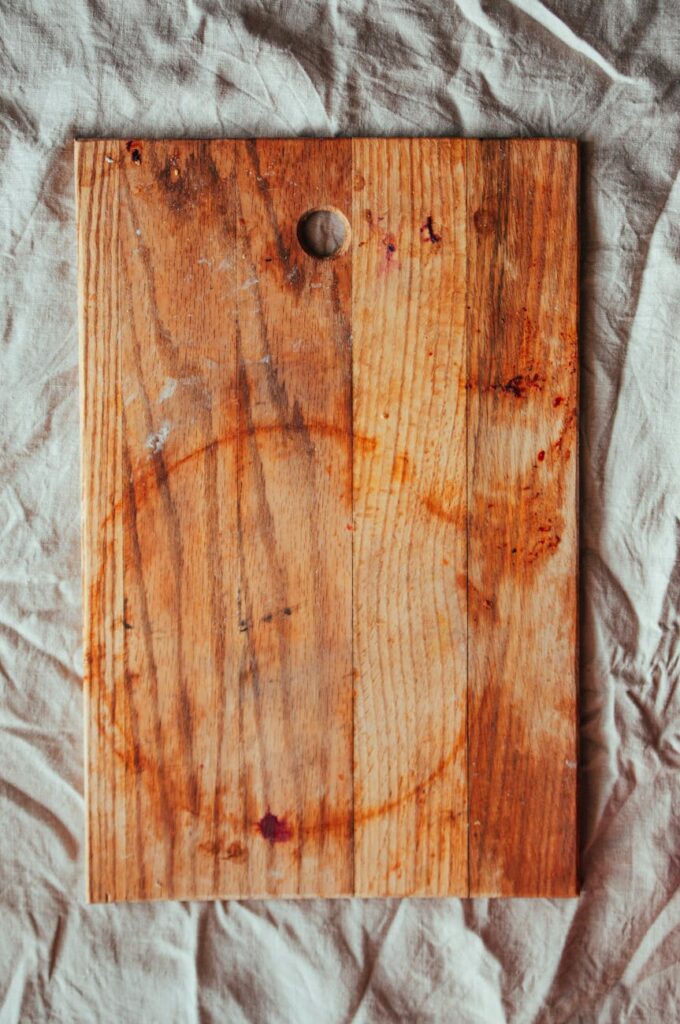
Wood Floor Stains Appliances Guide Part 1
Introduction
Wood floors can add warmth and elegance to any home, but they are not immune to stains, especially from appliances. Whether it’s a refrigerator that drips, a washing machine that leaks, or a dishwasher that overflows, these appliances can leave unsightly marks on your beautiful wood flooring. Understanding how these stains occur and how to effectively clean them is crucial for maintaining your floors and the overall aesthetic of your home.
What Causes Appliances?
Appliance-related stains on wood floors generally stem from three main issues:
1. Leaks and Spills: Water or liquid spills from appliances can seep into the wood, causing discoloration or warping.
2. Food and Grease: Appliances like dishwashers and refrigerators can leak food particles or grease, resulting in sticky stains.
3. Condensation: Appliances that generate heat or humidity can lead to condensation drips on wooden floors, which may cause stains over time.
Recognizing these causes is the first step in tackling the problem effectively.
Why This Problem Happens
Stains from appliances occur for a variety of reasons:
1. Poor Sealing: If your wood floors are not adequately sealed, they are more susceptible to stains.
2. Neglected Maintenance: Regular maintenance of appliances can prevent leaks. Ignoring issues can lead to more serious problems down the line.
3. Humidity Levels: High humidity can exacerbate issues with condensation, leading to water stains on floors.
Understanding these factors can help you take proactive measures to minimize the risk of stains.
How to Fix Appliances (Step-by-Step)
Step 1: Identify the Source
- Inspect Appliances: Check for leaks or spills from your appliances. Look for moisture around the base of refrigerators, dishwashers, and washing machines.
- Clean Up Spills Immediately: If you find any spills, dry them up right away to prevent them from soaking into the wood.
- Gather Your Supplies: You’ll need a soft cloth, a bucket, mild detergent, and a wood floor cleaner.
- Mix Cleaning Solution: Combine a few drops of mild detergent with warm water in a bucket.
- Dampen a Cloth: Soak a soft cloth in the solution, then wring it out so it’s damp but not soaking.
- Wipe the Stain: Gently wipe the stained area, following the direction of the wood grain. Avoid scrubbing, as this can scratch the surface.
- Rinse and Dry: Use a clean, damp cloth to rinse the area, then dry it thoroughly with a soft towel.
- Baking Soda Paste: For tough stains, make a paste with baking soda and water. Apply it to the stain and let it sit for 5–10 minutes before wiping it off.
- Use Vinegar: Mix equal parts vinegar and water, apply to the stain, and wipe clean. Ensure to dry the area immediately.
- If the stain persists, you may need to sand the affected area lightly and apply wood floor finish to restore its appearance.
Step 2: Clean the Stains
Step 3: Treat Persistent Stains
Step 4: Refinish if Necessary
Best Cleaning Methods
1. Mild Detergent and Water: This is the safest and most effective method for general cleaning.
2. Vinegar Solution: A mixture of vinegar and water can break down grease without damaging the wood.
3. Commercial Wood Floor Cleaners: These are formulated specifically for wood floors and can be effective for tougher stains.
4. Baking Soda: An all-natural abrasive that can lift stains without scratching the surface.
5. Olive Oil and Vinegar: A combination of these can help condition and clean wood floors while removing surface stains.
Common Mistakes to Avoid
1. Using Harsh Chemicals: Avoid bleach or ammonia-based cleaners, as they can damage the wood finish.
2. Over-Wetting the Floor: Excess moisture can seep into the wood and cause warping. Always use a damp cloth, not a soaking one.
3. Scrubbing Too Hard: Scrubbing vigorously can scratch the wood surface. Always use gentle motions.
4. Neglecting Regular Maintenance: Regularly check appliances for leaks to prevent stains from forming.
5. Ignoring Sealant: If your wood floors are not properly sealed, they are more vulnerable to stains. Make sure to apply sealant regularly.
Prevention Tips
1. Regular Inspections: Frequently check appliances for leaks and moisture buildup.
2. Seal Your Floors: Keep your wood floors sealed to prevent moisture from seeping in.
3. Use Mats: Place absorbent mats under appliances to catch any spills or leaks.
4. Control Humidity: Use dehumidifiers in areas prone to excess moisture, particularly in kitchens and laundry rooms.
5. Immediate Spill Cleanup: Always clean spills as soon as they occur to prevent stains from setting in.
Frequently Asked Questions
1. How can I tell if my wood floor is sealed?
Check by placing a few drops of water on the floor. If the water beads up, your floor is likely sealed. If it soaks in, it may need resealing.
2. Can I use vinegar on all wood floors?
While vinegar is effective, it’s best to check your floor manufacturer’s guidelines, as some finishes may be sensitive to acidic cleaners.
3. What should I do if a stain won’t come out?
If a stain persists after cleaning, consider consulting a professional for refinishing options.
4. Is it safe to use a steam cleaner on wood floors?
Steam cleaners can damage wood floors, as high heat and moisture can warp the wood or damage the finish.
5. How often should I clean my wood floors?
Regular maintenance, including sweeping and damp mopping, should be done weekly, while deeper cleaning can be done monthly or quarterly.
6. What’s the best way to maintain wood floors?
Regularly sweep or vacuum, damp mop with a wood-safe cleaner, and ensure the floors are sealed properly.
By following these guidelines, you can effectively manage and prevent stains from appliances, keeping your wood floors looking beautiful for years to come.