
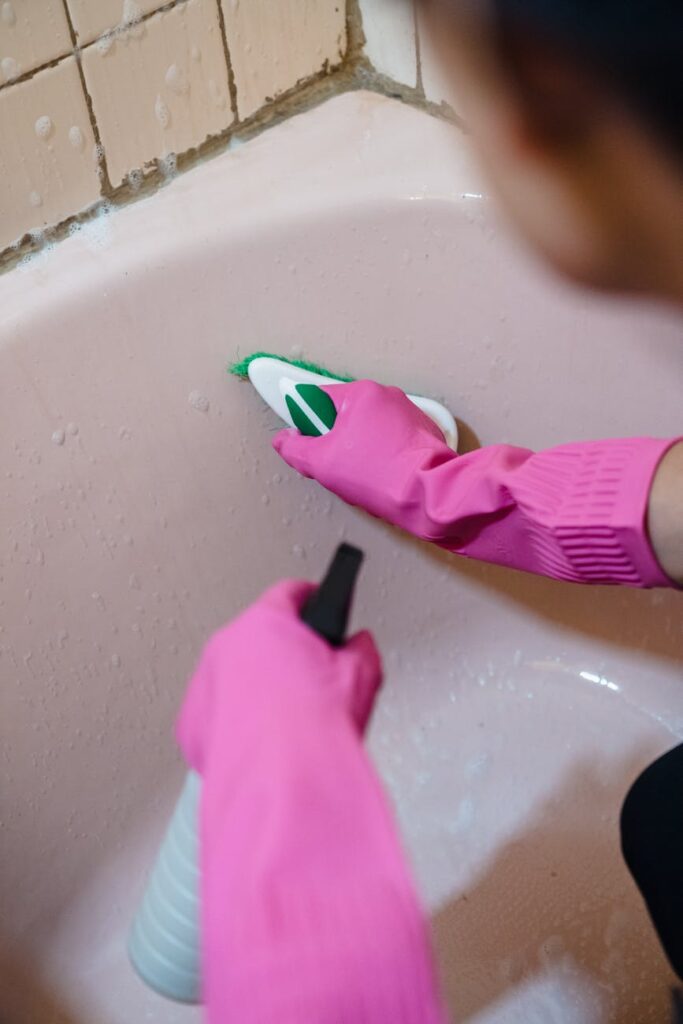
Window Sill Mold Stains Guide Part 1
Introduction
Window sills are often overlooked in cleaning routines, but they can harbor unpleasant mold stains that not only look bad but can also indicate a bigger problem. This guide will help you understand the causes of mold stains, how to effectively clean them, and how to prevent them from returning.
What Causes Stains?
Mold stains on window sills are primarily caused by moisture. When condensation builds up on windows, it can drip down onto the sills, creating a damp environment. Other factors include:
- Poor Ventilation: Lack of airflow can trap moisture.
- Humidity: High humidity levels can lead to condensation.
- Leaks: Water leaks from window frames can contribute to damp sills.
- Dirt and Dust: Accumulated dirt can provide nutrients for mold growth.
- Rubber gloves
- Mask (optional, but recommended)
- Soft brush or cloth
- Bucket
- Warm water
- Dish soap or a mild detergent
- White vinegar or hydrogen peroxide
- Spray bottle
- Scrub brush or old toothbrush
- Rags or paper towels
- Remove any items from the window sill.
- Open the window for ventilation.
- Lay down old towels or cloths to catch drips.
- Mix warm water with a few drops of dish soap in a bucket.
- Dip the soft brush or cloth into the soapy water and gently scrub the stained area.
- Wipe away excess moisture with a rag or paper towel.
- Fill a spray bottle with equal parts white vinegar and water or use hydrogen peroxide.
- Spray the affected area generously.
- Allow it to sit for about 10-15 minutes to kill mold spores.
- Use a scrub brush or old toothbrush to scrub the stains thoroughly.
- For stubborn stains, you may need to repeat spraying and scrubbing.
- Wipe the area down with a clean, damp cloth to remove any remaining solution.
- Dry the window sill completely with a towel to prevent future mold growth.
Understanding these causes is crucial for effective cleaning and prevention.
Why This Problem Happens
Mold thrives in damp, warm environments. In many homes, especially those with poor insulation or inadequate heating, window sills can become the perfect breeding ground for mold.
Additionally, if your home is in a humid climate or if you frequently cook or shower without proper ventilation, the moisture levels in your home can rise. This moisture can settle on your window sills, creating the ideal conditions for mold growth.
How to Fix Stains (Step-by-Step)
Cleaning mold stains from your window sills is a straightforward process. Follow these steps for effective results:
Step 1: Gather Your Supplies
You will need:
Step 2: Prepare the Area
Step 3: Initial Cleaning
Step 4: Disinfect the Area
Step 5: Scrub the Stains
Step 6: Rinse and Dry
Best Cleaning Methods
Different cleaning methods can be effective depending on the severity of the stains:
1. Vinegar Solution
Vinegar is a natural disinfectant. It effectively kills mold and prevents future growth. Use it undiluted for severe stains.
2. Hydrogen Peroxide
This is a powerful alternative to bleach. It can effectively lighten mold stains and disinfect surfaces. Use it in a spray bottle for easy application.
3. Baking Soda Paste
Mix baking soda with water to create a paste. Apply it to stubborn stains and let it sit before scrubbing. Baking soda is a natural abrasive and deodorizer.
4. Commercial Mold Cleaners
For extensive mold issues, consider using a commercial cleaner specifically designed for mold. Always follow the manufacturer’s instructions.
Common Mistakes to Avoid
1. Ignoring Ventilation: Not allowing airflow can worsen mold issues. Always keep windows slightly open or use exhaust fans.
2. Using Bleach: While bleach can kill mold, it doesn’t prevent regrowth and can discolor surfaces. Opt for natural solutions instead.
3. Not Drying Thoroughly: Failing to dry the area after cleaning can lead to mold returning quickly.
4. Skipping Regular Maintenance: Regularly check and clean window sills to prevent mold from taking hold.
5. Overusing Cleaning Products: Using too much product can leave residues that attract dirt, leading to more stains.
Prevention Tips
Preventing mold stains on your window sills is easier than cleaning them. Here are actionable tips:
1. Improve Ventilation
Ensure that your home is well-ventilated. Open windows regularly to promote airflow and reduce humidity.
2. Use Dehumidifiers
In particularly humid areas, consider using a dehumidifier to maintain optimal humidity levels.
3. Seal Windows Properly
Check for leaks around window frames and seal them to prevent water from entering.
4. Regular Cleaning
Incorporate window sills into your regular cleaning schedule to remove dust and moisture buildup.
5. Install Window Treatments
Consider using blinds or curtains that can help absorb moisture and prevent condensation.
Frequently Asked Questions
1. How often should I clean my window sills?
Aim to clean your window sills at least once a month, especially in humid seasons.
2. Can I use bleach to clean mold stains?
While bleach kills mold, it doesn’t prevent regrowth and can damage surfaces. Opt for vinegar or hydrogen peroxide instead.
3. What are the signs of mold on window sills?
Signs include dark spots, a musty smell, and visible discoloration.
4. Is it safe to remove mold myself?
Yes, as long as you take proper precautions, such as wearing gloves and a mask.
5. How can I tell if my mold problem is serious?
If mold covers a large area (more than 10 square feet) or if you have health concerns, consider consulting a professional.
6. What should I do if mold keeps returning?
Reevaluate ventilation, humidity levels, and potential leaks. You may also want to consult a mold remediation expert.
By following this guide, you can tackle mold stains effectively and prevent them from becoming a recurring issue in your home. Regular maintenance and quick action are key to keeping your window sills clean and mold-free.