
Window Sill Mold Odours Guide Part 1
Introduction
Window sills can be a breeding ground for mold, especially in humid environments. This often leads to unpleasant odours that can permeate your home. In this guide, we’ll explore the causes of these odours, how to fix the problem, and tips for prevention. Let’s get started with understanding what leads to these unwanted smells.
What Causes Odours?
Mold growth is the primary reason for odours on window sills. The musty smell you experience is a result of mold spores and the compounds they release as they grow. Factors contributing to this problem include:
- Moisture: Excess humidity or water leaks create a damp environment.
- Poor Ventilation: Lack of airflow allows moisture to settle and encourages mold growth.
- Organic Material: Dust, dirt, and plant debris can serve as food for mold, promoting its growth.
- Rubber gloves
- Mask (to avoid inhaling spores)
- Scrub brush or sponge
- Bucket
- Vinegar or hydrogen peroxide
- Baking soda
- Clean cloths
- Spray bottle
Why This Problem Happens
Several factors can lead to the accumulation of mold on your window sills:
1. High Humidity: Areas with high humidity levels provide the perfect breeding ground for mold.
2. Leaking Windows: Water can seep through cracks or poorly sealed windows, increasing moisture levels.
3. Condensation: Temperature differences between the inside and outside can cause condensation, especially in colder months.
4. Neglected Cleaning: Regular cleaning can prevent the buildup of dust and organic material that foster mold growth.
Understanding these factors is crucial for effectively tackling the problem.
How to Fix Odours (Step-by-Step)
Addressing window sill mold odours requires a systematic approach. Follow these steps for effective cleaning:
Step 1: Gather Your Supplies
Before you start, gather the following items:
Step 2: Prepare the Area
1. Remove Items: Take away any decorations, plants, or other items from the window sill.
2. Protect Surroundings: Lay down old towels or newspapers to catch any spills.
Step 3: Apply Cleaning Solution
1. Vinegar Solution: Mix equal parts vinegar and water in a spray bottle. Vinegar is effective at killing mold spores and neutralizing odours.
2. Hydrogen Peroxide Option: Alternatively, use 3% hydrogen peroxide in a spray bottle for its antibacterial properties.
Step 4: Scrub the Window Sill
1. Spray the Solution: Generously spray the cleaning solution onto the affected areas.
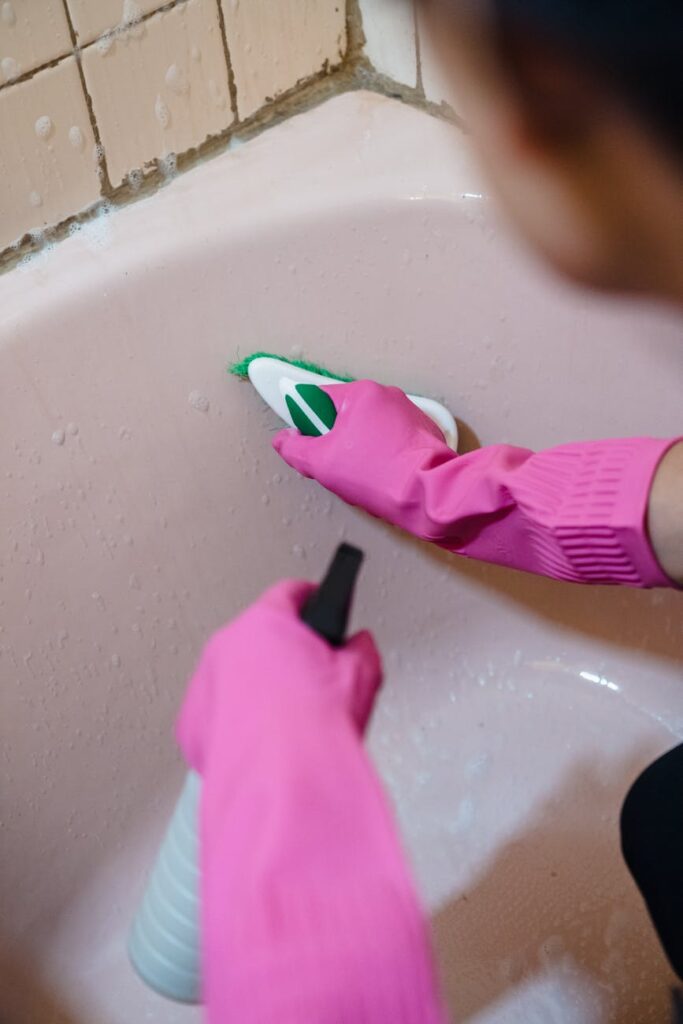
2. Scrub the Surface: Use a scrub brush or sponge to scrub the sill. Pay extra attention to corners and crevices where mold may hide.
Step 5: Rinse and Dry
1. Rinse: Wipe down the area with a clean, damp cloth to remove residual cleaning solution.
2. Dry Thoroughly: Ensure the window sill is completely dry. Use a dry cloth to absorb any remaining moisture.
Step 6: Deodorize
1. Baking Soda: Sprinkle baking soda over the area to absorb any lingering odours. Leave it for a few hours before vacuuming or wiping it away.
Best Cleaning Methods
1. Vinegar and Water
Vinegar is a natural disinfectant that effectively combats mold and neutralizes odours. It is safe for most surfaces and doesn’t leave harmful residues.
2. Hydrogen Peroxide
This powerful oxidizer kills mold spores and bacteria. Use it in a well-ventilated area to avoid inhalation.
3. Baking Soda
Baking soda is excellent for absorbing smells. It can be applied after cleaning to maintain freshness.
4. Commercial Mold Cleaners
If the problem persists, consider using a commercial mold cleaner. Look for products specifically designed for mold removal, ensuring they are safe for indoor use.
Common Mistakes to Avoid
1. Ignoring the Source: Simply masking the odour without addressing mold growth will lead to recurring issues.
2. Using Bleach: While bleach can kill mold on non-porous surfaces, it doesn’t eliminate spores embedded in porous materials like wood.
3. Not Wearing Protective Gear: Always wear gloves and a mask when cleaning mold to protect yourself from spores.
4. Skipping Drying: Not drying the area thoroughly will allow mold to return.
5. Neglecting Regular Cleaning: Mold can return quickly; regular maintenance is essential.
Prevention Tips
1. Control Humidity Levels: Keep indoor humidity between 30-50% using dehumidifiers or air conditioners.
2. Improve Ventilation: Open windows regularly to allow fresh air circulation, especially in kitchens and bathrooms.
3. Seal Windows Properly: Check for drafts or leaks and seal any cracks with caulk.
4. Regular Cleaning: Establish a cleaning routine to prevent dust and debris buildup.
5. Use Mold-Resistant Products: Consider mold-resistant paints or coatings for window sills.
Frequently Asked Questions
1. How do I know if I have mold on my window sill?
Look for discoloration, dark spots, or a musty smell. If you see these signs, it’s likely you have mold.
2. Can I use bleach to clean mold?
While bleach can kill mold on hard surfaces, it does not penetrate porous materials effectively. It’s better to use vinegar or hydrogen peroxide.
3. How often should I clean my window sills?
Aim for at least once a month, or more frequently in humid conditions.
4. What are the signs of a serious mold problem?
If you see extensive mold growth or experience health issues like allergy symptoms, consult a professional.
5. Will the odour go away after cleaning?
If you remove the mold and thoroughly clean the area, the odour should dissipate. Using baking soda can help absorb any remaining smells.
6. Can I prevent mold without using chemicals?
Yes, regular cleaning, good ventilation, and controlling humidity can effectively prevent mold without harsh chemicals.
By following this guide, you can tackle window sill mold odours effectively and prevent them from returning. Stay proactive, and your home will remain fresh and healthy.