
Window Sill Mold: Mould & Damp Guide Part 1
Introduction
Mould on window sills is more than just an eyesore; it can indicate dampness in your home, leading to potential damage and health concerns. This guide aims to provide you with practical solutions to tackle mould and damp effectively.
What Causes Mould & Damp?
Mould thrives in damp environments, and several factors contribute to its growth on window sills:
1. Humidity: High indoor humidity levels can lead to condensation on windows, creating a perfect breeding ground for mould.
2. Poor Ventilation: Rooms that lack airflow trap moisture, making mould growth more likely.
3. Water Leaks: Leaky windows or roofs can introduce water into the frame and sill, promoting dampness.
4. Temperature Fluctuations: Warm air holds more moisture. When it cools on a window surface, condensation occurs, leading to damp conditions.
Why This Problem Happens
Understanding why mould appears on window sills is crucial for effective remediation:
- Condensation: During colder months, warm indoor air hits cold window surfaces, causing moisture to condense. This moisture can accumulate and create an ideal environment for mould.
- Lack of Maintenance: Neglected window sills can accumulate dirt and organic matter, providing additional nutrients for mould to thrive.
- Inadequate Insulation: Poorly insulated windows can lead to significant temperature differences, promoting condensation and dampness.
- Protective gloves
- Face mask
- Scraper or putty knife
- Bucket
- Sponge or cloth
- Mould cleaning solution (commercial or homemade)
- Spray bottle
- Drying cloths
How to Fix Mould & Damp (Step-by-Step)
Step 1: Gather Your Supplies
Before you begin, make sure you have the following:
Step 2: Prepare the Area
1. Clear the window sill of any decorative items or plants.
2. Open windows for ventilation. If possible, use a fan to improve airflow.
Step 3: Remove the Mould
1. Scrape off excess mould using a scraper. Be gentle to avoid damaging the surface.
2. Apply the cleaning solution to the affected areas. If using a homemade solution, mix equal parts water and vinegar in a spray bottle.
3. Let it sit for about 10-15 minutes to kill the mould spores.
Step 4: Wipe and Clean
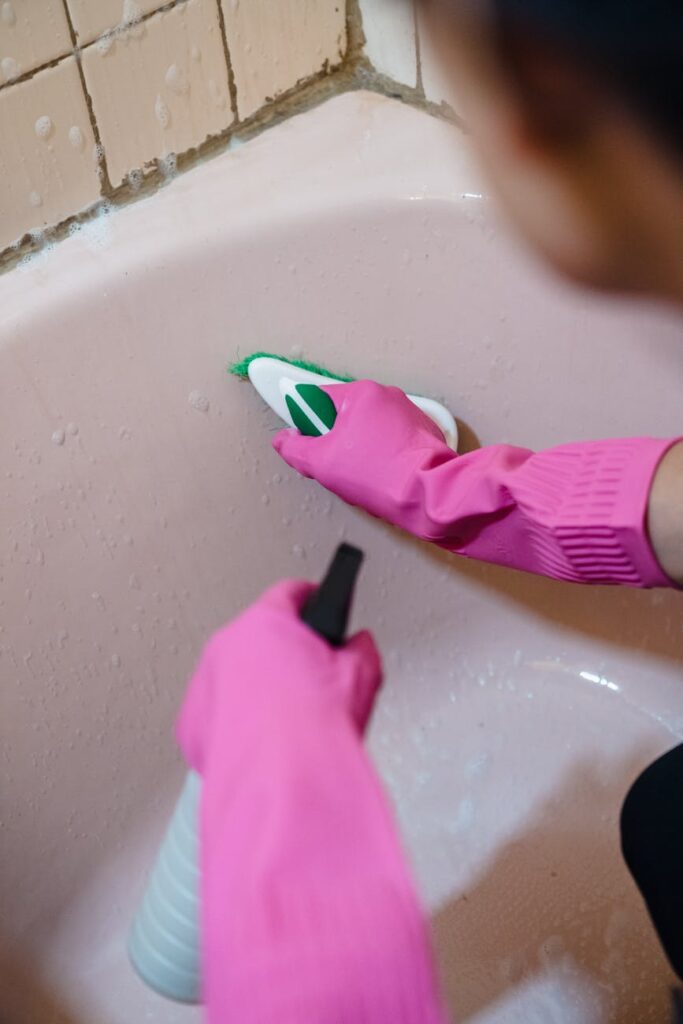
1. Wipe the area with a sponge or cloth to remove the mould.
2. Rinse with clean water and wipe again to ensure all cleaning solution is removed.
3. Dry thoroughly with a clean cloth to prevent moisture from returning.
Step 5: Inspect and Repair
1. Check for leaks around the window frame. If you find any, seal them with caulk.
2. Inspect the window for insulation issues. Consider adding weather stripping if necessary.
Best Cleaning Methods
1. Vinegar Solution: Vinegar is a natural mould killer. Spray undiluted vinegar on the mouldy area and wipe clean.
2. Baking Soda Paste: Mix baking soda with water to form a paste. Apply it to the mould, let it sit, and scrub off.
3. Commercial Mould Removers: For severe mould infestations, consider using a commercial product designed for mould removal. Follow the manufacturer’s instructions carefully.
Common Mistakes to Avoid
1. Using Bleach: While bleach may kill surface mould, it does not penetrate porous materials and can lead to further mould growth.
2. Neglecting Prevention: Cleaning mould without addressing the underlying damp issue will only lead to a recurring problem.
3. Ignoring Ventilation: Failing to improve airflow in your home can exacerbate the mould problem.
Prevention Tips
1. Keep Humidity Levels Low: Use a dehumidifier if necessary, especially in areas prone to dampness.
2. Increase Ventilation: Open windows regularly and use exhaust fans in kitchens and bathrooms.
3. Regular Maintenance: Clean window sills regularly and check for signs of leaks or condensation.
4. Insulate Windows: Use thermal curtains or window film to reduce condensation.
Frequently Asked Questions
1. How often should I check for mould on my window sills?
Check your window sills at least once a month, especially during humid months.
2. Can I use essential oils to prevent mould?
Certain essential oils, like tea tree oil, have antifungal properties and can be mixed with water as a preventative spray.
3. Is it safe to live in a house with mould on window sills?
While minor mould can often be cleaned, extensive mould growth may pose health risks. Address it promptly.
4. How can I tell if the mould is toxic?
Black mould (Stachybotrys) is often considered toxic. If you’re unsure, consider hiring a professional to assess the situation.
5. What’s the best way to ventilate a room?
Open windows regularly and use fans to circulate air. Consider installing vents in areas with poor airflow.
6. Can I prevent mould by using a humidifier?
A humidifier can help in dry climates, but ensure that humidity levels remain between 30-50% to avoid mould growth.
By following these steps and tips, you can effectively tackle mould and damp on your window sills, ensuring a healthier home environment. Stay tuned for Part 2, where we will delve deeper into more advanced techniques for managing damp and mould issues.