
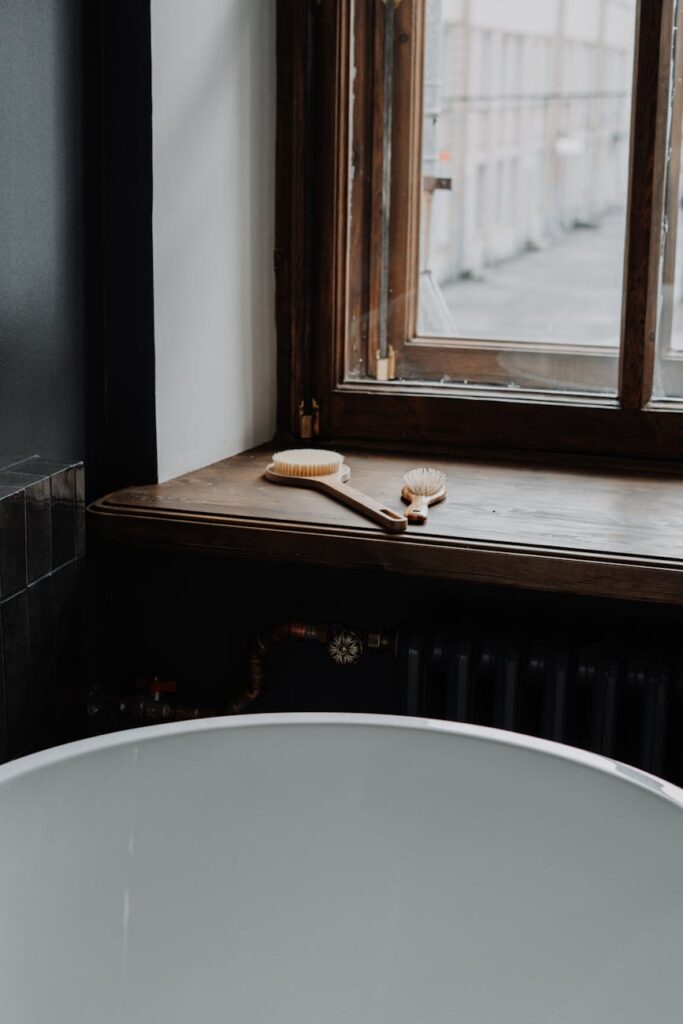
Window Sill Mold Laundry Guide Part 1
Introduction
Mold on window sills can be a frustrating and unsightly issue, especially when it spreads to your laundry. This guide will help you understand the causes, effects, and solutions for mold issues that can affect your laundry process. By tackling this problem head-on, you can maintain a clean and healthy home.
What Causes Laundry?
Laundry refers to the process of washing clothes, but in this context, it also highlights the issue of mold growth in areas where laundry is handled. Mold can form on window sills due to several factors:
- Moisture: Excess humidity can create a breeding ground for mold.
- Poor Air Circulation: Rooms that lack proper ventilation can trap moisture.
- Condensation: When warm air meets cold surfaces, condensation forms, leading to mold growth.
- Dirty Surfaces: Dust and organic materials can provide nutrients for mold.
- Humidity Levels: In high-humidity environments, mold can flourish.
- Window Leaks: Water seeping in from poorly sealed windows can create damp spots.
- Laundry Habits: Leaving wet clothes on window sills or near windows increases moisture levels.
- Gloves
- Mask (to avoid inhaling mold spores)
- Cleaning solution (vinegar, bleach, or a commercial mold remover)
- Soft brush or cloth
- Spray bottle
- Bucket
- Water
- Ventilate the Room: Open windows and doors to ensure good airflow.
- Protect Surroundings: Place a drop cloth or old towels underneath the window.
- For Vinegar: Fill a spray bottle with undiluted white vinegar. Spray directly onto the moldy area.
- For Bleach: Mix one cup of bleach with one gallon of water. Apply the solution with a cloth.
- For Commercial Products: Follow the instructions on the label.
- Rinse the area with clean water to remove any remaining cleaning solution.
- Dry the sill thoroughly with a towel to prevent further mold growth.
- Sort Your Laundry: Separate mold-affected items.
- Pre-Treat Stains: Apply a stain remover on affected areas before washing.
- Wash: Use the hottest water safe for the fabric and add a cup of vinegar or bleach to kill any spores.
- Dry: Ensure items are completely dry before storing.
- Vinegar: Natural and non-toxic, vinegar kills most mold species.
- Bleach: Highly effective for killing mold but can damage some materials.
- Commercial Mold Removers: Use as a last resort if natural methods fail.
- Using Hot Water on Certain Fabrics: Some fabrics can shrink or get damaged in hot water.
- Inadequate Drying: Not fully drying clothes or the window sill can exacerbate the mold problem.
- Ignoring Ventilation: Failing to improve air circulation can lead to recurring mold issues.
- Using the Wrong Cleaning Products: Always test a small area first to ensure compatibility.
- Improve Ventilation: Open windows regularly and use exhaust fans.
- Control Humidity: Use dehumidifiers in damp areas.
- Regular Cleaning: Clean window sills and laundry areas frequently to remove dust and moisture.
- Dry Clothes Promptly: Avoid leaving wet clothes on window sills or in laundry baskets.
- Seal Windows: Ensure windows are properly sealed to prevent leaks.
Understanding these causes is the first step in addressing the problem effectively.
Why This Problem Happens
Mold thrives in damp, dark, and warm places. When laundry is left to dry on window sills or when wet clothes are placed near windows, the moisture can accumulate. If the window sill is not cleaned regularly, dust and dirt can also contribute to mold growth.
Identifying these factors can help homeowners take proactive steps to prevent mold from affecting their laundry.
How to Fix Laundry (Step-by-Step)
If you find mold on your window sills that has affected your laundry, follow these steps to clean and eliminate the problem:
Step 1: Gather Your Supplies
You’ll need:
Step 2: Prepare the Area
Step 3: Apply Cleaning Solution
Step 4: Scrub the Area
Using a soft brush or cloth, scrub the moldy area gently. Be careful not to damage the window sill surface.
Step 5: Rinse and Dry
Step 6: Wash Affected Laundry
Best Cleaning Methods
While there are various cleaning methods to tackle mold, the most effective are:
Choose the method that best suits your surface and personal preference.
Common Mistakes to Avoid
While cleaning mold, avoid these common pitfalls:
Remember: Safety First
Always wear gloves and a mask to protect yourself from mold spores and harsh chemicals.
Prevention Tips
Preventing mold on window sills and laundry involves a few simple practices:
By following these tips, you can keep mold at bay and maintain a clean laundry environment.
Frequently Asked Questions
1. How can I tell if I have mold on my window sill?
Mold appears as dark spots or patches. You may also notice a musty smell.
2. Is vinegar effective against all types of mold?
Vinegar is effective against most common mold types, but stubborn strains may require stronger solutions.
3. Can I use bleach on colored fabrics?
No, bleach can cause discoloration. Opt for color-safe alternatives.
4. How often should I clean my window sills to prevent mold?
Aim for a monthly cleaning schedule; increase frequency in high-humidity seasons.
5. What should I do if mold keeps coming back?
Check for underlying moisture issues, improve ventilation, and consider using a mold-resistant sealant on your window sills.
6. Can mold affect my health?
Yes, mold can cause allergic reactions and respiratory issues. It’s essential to address mold growth quickly.
By following this guide, you will be equipped to tackle window sill mold and protect your laundry from its effects. Stay proactive and maintain a clean, healthy environment in your home.