
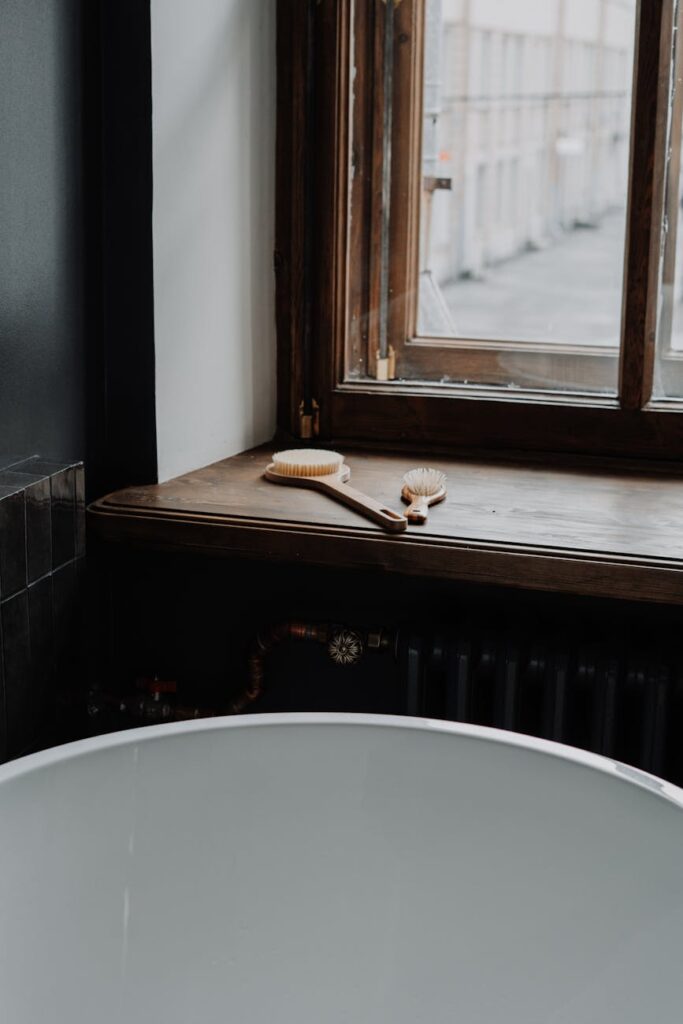
Window Sill Mold Cleaning Guide Part 1
Introduction
Mold on window sills is not only unsightly but can also pose a significant issue for homeowners. It grows in damp environments and can lead to health concerns if left untreated. This guide will provide you with practical steps to effectively clean mold from your window sills, understand the causes, and prevent its return.
What Causes Window Sill Mold?
Window sill mold thrives in specific conditions. Here are the primary causes:
1. Moisture: High humidity levels or leaks can create a perfect breeding ground for mold.
2. Poor Ventilation: Lack of airflow allows moisture to linger, increasing the likelihood of mold growth.
3. Condensation: Temperature differences between indoor and outdoor air can lead to condensation on window sills, providing moisture for mold.
4. Dirty Surfaces: Dust and organic material on window sills can feed mold spores, encouraging growth.
Understanding these causes is crucial for effective cleaning and prevention.
Why This Problem Happens
Mold growth on window sills is common in areas with high humidity, such as bathrooms or kitchens. Seasonal changes can also contribute, particularly in colder months when condensation is more likely. Additionally, older windows may have more leaks and cracks, allowing moisture to enter.
How to Fix Window Sill Mold (Step-by-Step)
Cleaning mold from window sills requires careful attention to detail to ensure the area is free of spores. Follow these step-by-step instructions:
Step 1: Gather Your Supplies
Before you start, collect the following items:
- Rubber gloves
- Face mask (optional)
- Spray bottle
- White vinegar or hydrogen peroxide
- Soft brush or cloth
- Bucket of warm water
- Mild detergent
- Sponge
Step 2: Prepare the Area
1. Ventilate the Room: Open windows and doors to ensure good airflow.
2. Protect Surrounding Areas: Place towels or plastic sheets on the floor to catch any drips.
Step 3: Apply Cleaning Solution
1. Vinegar Method: Fill a spray bottle with white vinegar and spray the affected area generously. Let it sit for about 10 minutes.
2. Hydrogen Peroxide Method: Alternatively, use a 3% hydrogen peroxide solution. Spray it on the moldy area and wait for 10 minutes.
Step 4: Scrub the Mold
Using a soft brush or cloth, scrub the moldy area gently. Be thorough but avoid damaging the surface. Rinse the cloth or brush frequently in warm water to avoid spreading spores.
Step 5: Rinse and Dry
1. Rinse: Use a sponge dipped in warm, soapy water to wipe down the area. This helps remove any remaining cleaning solution and mold.
2. Dry: Use a dry cloth to thoroughly dry the window sill. This step is crucial to prevent mold from returning.
Best Cleaning Methods
While vinegar and hydrogen peroxide are effective, other methods can also be beneficial:
1. Baking Soda: Mix baking soda with water to form a paste. Apply it to the moldy area, let it sit for 10 minutes, then scrub and rinse.
2. Commercial Mold Removers: If the mold is persistent, consider using a commercial mold remover. Follow the manufacturer’s instructions carefully.
3. Steam Cleaning: A steam cleaner can effectively kill mold spores without chemicals. Ensure the area is dry afterward.
Common Mistakes to Avoid
When cleaning mold from window sills, be aware of these common pitfalls:
1. Skipping Safety Gear: Always wear gloves and a mask to protect yourself from mold spores and cleaning chemicals.
2. Not Allowing Solutions to Sit: Rushing the cleaning process can lead to ineffective results. Allow cleaning solutions to sit and penetrate the mold.
3. Neglecting to Dry: Failing to dry the area completely can lead to mold returning quickly.
Prevention Tips
Preventing mold from returning is essential for long-term cleanliness:
1. Control Humidity: Use dehumidifiers in damp areas to keep humidity levels in check.
2. Improve Ventilation: Open windows regularly and use exhaust fans in kitchens and bathrooms.
3. Seal Leaks: Inspect window frames for leaks or cracks and seal them promptly to prevent moisture entry.
4. Regular Cleaning: Make cleaning window sills a part of your regular cleaning routine to prevent buildup.
5. Use Mold-Resistant Products: When painting or renovating, consider mold-resistant paints and materials.
Frequently Asked Questions
1. How often should I clean my window sills to prevent mold?
Aim to clean your window sills at least once every season or more frequently in humid conditions.
2. Can I use bleach to clean window sill mold?
While bleach can kill mold, it may not be effective on porous surfaces and can return if the area remains damp. Vinegar or hydrogen peroxide are safer alternatives.
3. What if the mold keeps coming back?
If mold reappears frequently, it may indicate a larger moisture problem. Inspect for leaks or consider consulting a professional.
4. Is mold on window sills harmful?
While not all mold is harmful, some types can lead to health issues, especially for those with allergies or respiratory problems. It’s best to remove it promptly.
5. Can I prevent mold without cleaning?
Prevention is key. Implementing proper ventilation and controlling humidity can significantly reduce mold growth, but regular cleaning is still necessary.
6. What should I do if I have a severe mold problem?
In cases of extensive mold growth, it’s advisable to contact a mold remediation professional to assess and address the situation safely.
By following this guide, you can effectively tackle window sill mold and help maintain a clean, healthy home environment. Stay tuned for Part 2, where we’ll delve deeper into advanced cleaning techniques and troubleshooting tips.