
Window Sill Mold Appliances Guide Part 1
Introduction
Mold growth on window sills is a common problem many homeowners face. It can be unsightly and may even affect the air quality in your home. Understanding how to tackle this issue effectively is essential for maintaining a clean living space. In this guide, we will explore the appliances that can help you combat window sill mold, providing practical solutions for a cleaner, healthier home.
What Causes Appliances?
The term “appliances” in this context refers to the tools and devices you can use to clean and maintain your window sills. Mold thrives in damp, warm environments, making window sills an ideal breeding ground, especially in kitchens and bathrooms. Here are the main causes of mold on window sills:
1. Excess Moisture: High humidity levels and condensation often accumulate on window sills.
2. Poor Ventilation: Rooms that lack sufficient airflow can trap moisture.
3. Temperature Fluctuations: Warm air meeting cold surfaces can create condensation.
4. Dirty Surfaces: Dust and organic materials can provide a food source for mold.
Understanding these causes will help you effectively use your cleaning appliances to combat mold.
Why This Problem Happens
Mold growth is not just an aesthetic issue; it can lead to long-term damage if left untreated. The reasons behind the mold problem on window sills include:
- Humidity Levels: Humidity above 60% can encourage mold growth.
- Condensation: When warm, moist air comes into contact with cold window surfaces, it condenses, creating a perfect environment for mold.
- Neglected Cleaning: Regular cleaning can prevent mold buildup but is often overlooked.
- A vacuum cleaner with a hose attachment
- A scrub brush or sponge
- A spray bottle
- White vinegar or a mold-specific cleaner
- Microfiber cloths
- Gloves and a mask (optional for sensitive individuals)
- Using Bleach: While bleach can kill mold on non-porous surfaces, it doesn’t remove mold roots and can worsen the problem.
- Neglecting Safety Gear: Always wear gloves and a mask if you are sensitive to mold or cleaning products.
- Not Drying Thoroughly: Failing to dry the area properly can lead to a recurrence of mold.
- Ignoring the Source: Cleaning without addressing the underlying moisture issue will only provide a temporary fix.
Awareness of these factors will help you take proactive measures to keep your window sills mold-free.
How to Fix Appliances (Step-by-Step)
Once you identify mold on your window sills, it’s time to act. Here’s a step-by-step guide to using appliances effectively:
Step 1: Gather Your Supplies
Before you start cleaning, gather the following:
Step 2: Vacuum the Area
Use the vacuum cleaner to remove any loose dust and debris from the window sill. This step will help prevent spreading mold spores during cleaning.
Step 3: Apply the Cleaning Solution
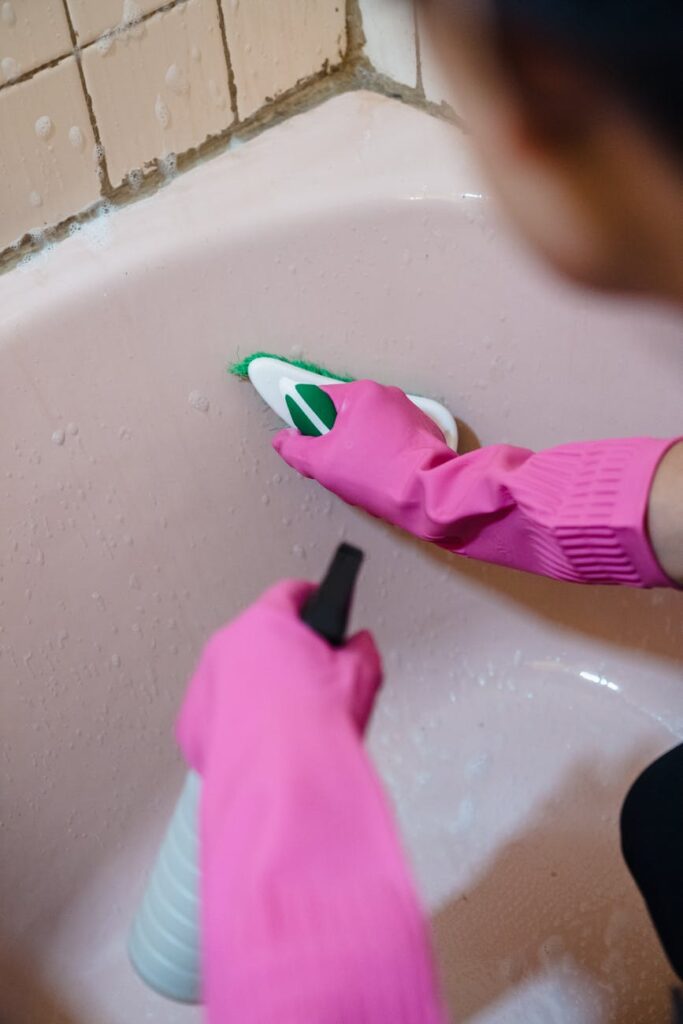
Fill a spray bottle with either white vinegar or a commercially available mold cleaner. Spray the affected area generously, ensuring it soaks into the mold.
Step 4: Scrub the Area
Using a scrub brush or sponge, scrub the window sill to remove the mold. For tough spots, let the cleaning solution sit for a few minutes before scrubbing.
Step 5: Wipe Clean
After scrubbing, wipe the area with a microfiber cloth to remove any residue. This step also helps to absorb excess moisture.
Step 6: Dry Thoroughly
Ensure the window sill is completely dry. Use a fan or open the window to improve airflow and speed up the drying process.
Best Cleaning Methods
Different cleaning methods work for different types of mold and materials. Here are some of the best methods:
1. White Vinegar
White vinegar is a natural mold killer. Spray it directly onto the mold, let it sit for an hour, then scrub and wipe clean.
2. Baking Soda
Make a paste with water and baking soda. Apply it to the moldy area, scrub, and then rinse. Baking soda is gentle and effective.
3. Hydrogen Peroxide
A 3% hydrogen peroxide solution can also eliminate mold. Spray it on, wait for at least 10 minutes, scrub, and rinse.
4. Mold-Specific Cleaners
For severe infestations, consider using a commercial mold remover. Follow the manufacturer’s instructions carefully.
Common Mistakes to Avoid
When tackling window sill mold, avoid these common pitfalls:
Prevention Tips
Preventing mold from returning is essential for long-term cleanliness. Here are some practical tips:
1. Control Humidity: Use a dehumidifier in areas prone to moisture.
2. Ensure Proper Ventilation: Open windows regularly and use exhaust fans in bathrooms and kitchens.
3. Regular Cleaning: Clean window sills regularly to remove dust and moisture.
4. Seal Leaks: Check for leaks around windows and repair any issues to prevent moisture buildup.
5. Use Mold-Resistant Paint: Consider painting window sills with mold-resistant paint to deter growth.
Frequently Asked Questions
1. How often should I clean my window sills?
Aim to clean your window sills every few months or more frequently if you notice moisture buildup.
2. Can I use bleach to clean mold from window sills?
It’s not recommended. While bleach can kill surface mold, it doesn’t eliminate mold roots and can lead to further issues.
3. What is the best temperature for preventing mold?
Keeping indoor temperatures between 68°F and 72°F (20°C to 22°C) can help prevent mold growth.
4. How can I tell if the mold is dangerous?
If you experience health issues like allergies or respiratory problems, consult a professional for mold testing.
5. Are there any natural remedies for mold removal?
Yes, vinegar, baking soda, and hydrogen peroxide are effective natural remedies for mold removal.
6. What should I do if the mold keeps coming back?
If mold returns frequently, assess humidity levels, check for leaks, and consider consulting a professional mold remediation service.
Conclusion
Mold on window sills is a nuisance that can lead to bigger problems if not addressed properly. By understanding the causes and utilizing the right appliances and cleaning methods, you can keep your home mold-free. Regular maintenance and preventive measures will ensure that your window sills remain clean and healthy, contributing to a better indoor environment for you and your family.