
Window Mold Removal: Mould & Damp Guide Part 1
Introduction
Mould and damp issues around windows can be a persistent problem for homeowners. Not only do they create an unsightly appearance, but they can also affect the overall air quality in your home. This guide will help you understand the causes of mould and damp, provide step-by-step instructions for removal, and offer tips for prevention. Let’s get started on reclaiming your windows and ensuring a healthier living space.
What Causes Mould & Damp?
Mould thrives in damp environments, and windows are often prime locations for growth. Several factors contribute to mould and damp issues:
- Condensation: This occurs when warm air meets cold surfaces, like window glass. The moisture that forms can lead to mould growth if not wiped away.
- Poor Ventilation: Insufficient airflow can trap humidity indoors, creating an environment ripe for mould.
- Leaky Windows: Water can seep in through cracks, gaps, or deteriorated seals, leading to dampness.
- High Humidity: Living in areas with high humidity can increase the likelihood of mould growth.
- Temperature Fluctuations: When the temperature outside drops, and your home is heated, condensation forms on windows.
- Inadequate Insulation: Poorly insulated windows can exacerbate temperature changes, increasing moisture buildup.
- Climatic Conditions: Homes in humid or rainy climates are more susceptible to mould and damp problems.
- Lifestyle Choices: Activities like cooking, showering, and drying clothes indoors can raise humidity levels.
- Rubber gloves
- Face mask (optional)
- Bucket
- Spray bottle
- Cleaning brushes or cloths
- Mould remover (store-bought or DIY)
- Ventilate: Open windows and doors to allow fresh air to circulate.
- Protect Surroundings: Place a drop cloth or old towels under your windows to catch any drips.
- Vinegar Solution: Mix one part white vinegar with one part water in a spray bottle.
- Baking Soda Paste: Mix baking soda with water to form a paste for tougher spots.
- Spray or Apply: Generously apply the solution to the affected areas.
- Let It Sit: Allow the solution to soak for at least 10-15 minutes to penetrate the mould.
- Use a Brush or Cloth: Scrub the area gently with a brush or cloth until the mould loosens.
- Rinse: Wipe the area with a clean, damp cloth to remove any residue.
- Remove Moisture: Use a dry cloth to wipe the area and prevent further mould growth.
- Dispose Properly: Throw away any contaminated materials (like cloths or brushes) in a sealed bag.
- Vinegar: Effective against most common mould types. It’s also non-toxic and safe for indoor use.
- Baking Soda: Useful for scrubbing and deodorizing. It can be combined with vinegar for a powerful effect.
- Commercial Mould Cleaners: For severe cases, consider using a commercial mould remover. Always follow the manufacturer’s instructions and safety precautions.
- Hydrogen Peroxide: This can be used as a disinfectant. Spray it directly on the mould and let it sit for about 10 minutes before scrubbing.
- Ignoring Ventilation: Failing to ventilate your home can worsen mould issues.
- Using Hot Water: Hot water can encourage mould spores to spread. Always use cool or lukewarm water for cleaning.
- Not Wearing Protection: Neglecting to wear gloves or a mask can expose you to mould spores.
- Cleaning Without a Plan: Jumping into cleaning without a method can lead to ineffective results.
- Improve Ventilation: Use exhaust fans in kitchens and bathrooms. Open windows when weather permits.
- Control Humidity: Aim to keep indoor humidity levels below 60%. Dehumidifiers can help.
- Check for Leaks: Regularly inspect windows and walls for signs of water intrusion.
- Use Mould-Resistant Products: When painting or renovating, consider using mould-resistant paints and materials.
- Regular Cleaning: Include windows in your regular cleaning routine to catch any early signs of mould.
Why This Problem Happens
Understanding why mould and damp occur will help you address the issue effectively.
How to Fix Mould & Damp (Step-by-Step)
Removing mould from your windows requires a systematic approach. Follow these steps:
Step 1: Gather Your Supplies
You will need:
Step 2: Prepare the Area
Step 3: Create a Cleaning Solution
You can either buy a mould remover or make a DIY solution:
Step 4: Apply the Solution
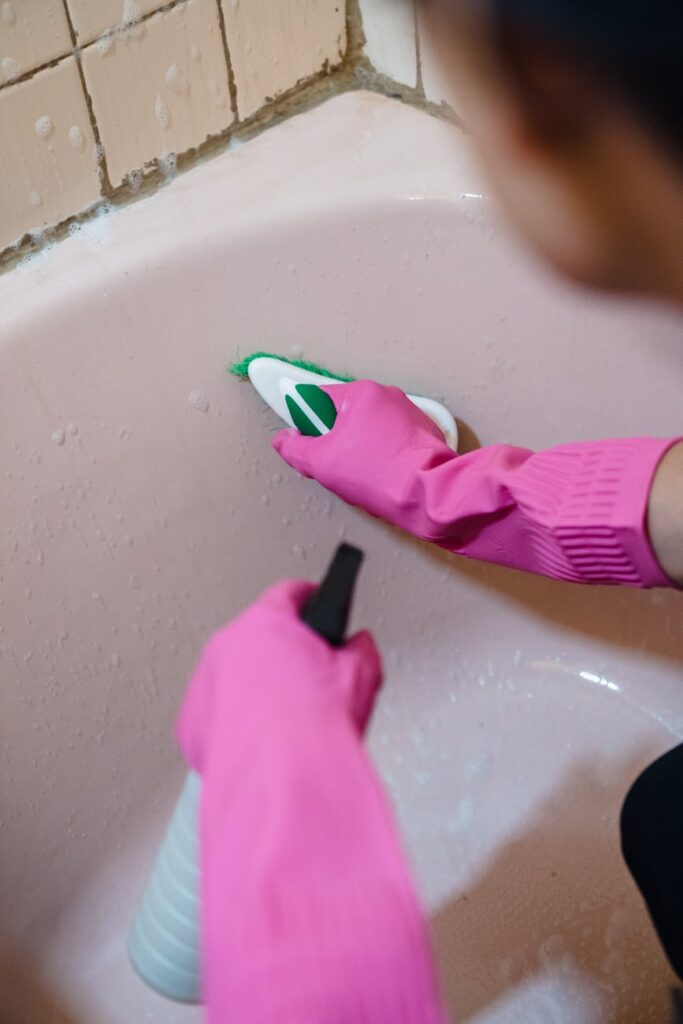
Step 5: Scrub the Mould
Step 6: Dry the Area
Step 7: Dispose of Waste
Best Cleaning Methods
Different methods work for different types of mould and damp. Here are the top cleaning methods:
Common Mistakes to Avoid
When dealing with mould and damp, avoid these common pitfalls:
Prevention Tips
Preventing mould and damp is easier than removing it. Here are effective prevention strategies:
Frequently Asked Questions
1. How can I tell if I have mould on my windows?
Look for dark spots or discoloration around the window frames. A musty smell can also indicate mould presence.
2. Is mould dangerous?
While most household mould is not toxic, prolonged exposure can lead to health issues. It’s best to remove it promptly.
3. How often should I clean my windows to prevent mould?
Aim to clean your windows every few months, especially in humid conditions or after heavy rain.
4. Can I paint over mould?
No, painting over mould is not advisable. It’s essential to remove the mould first to prevent it from growing under the paint.
5. What should I do if mould keeps coming back?
If mould returns, check for underlying issues like leaks or inadequate ventilation. You may also need to consult a professional.
6. Are there any natural remedies for mould removal?
Yes, vinegar and baking soda are effective natural remedies. However, for severe cases, consider using commercial mould removers.
—
By following this guide, you can effectively tackle mould and damp around your windows. Remember that prevention is key to maintaining a healthy home environment. Stay proactive, and your windows will remain clean and mould-free!