
Window Mold Odours Guide Part 1
Introduction
Window mold can be a persistent problem in many homes, often leading to unpleasant odours that can permeate your living space. Not only are these smells annoying, but they can also indicate larger issues with moisture and air quality. This guide provides practical solutions to help you tackle window mold odours effectively.
What Causes Odours?
Mold produces spores and mycotoxins that can create musty and unpleasant smells. The primary causes of odours associated with window mold include:
- Moisture: Excess humidity can lead to mold growth, especially around window frames.
- Poor Ventilation: Areas with stagnant air are breeding grounds for mold.
- Organic Materials: Mold thrives on organic matter, such as dust and dirt, which may accumulate around windows.
- Condensation: Windows often collect moisture, especially in colder climates. This condensation can lead to mold growth.
- Leaky Frames: Damaged or poorly sealed window frames can allow moisture to seep in.
- Neglected Cleaning: Lack of regular cleaning can result in the accumulation of dirt and organic matter, providing food for mold.
- Rubber gloves
- Mask
- Bucket
- Scrub brush
- Spray bottle
- White vinegar or hydrogen peroxide
- Baking soda
- Cloths for drying
- Ensure proper ventilation by opening windows or using a fan.
- Remove any nearby furniture or items that could be damaged during cleaning.
- Vinegar Method: Fill a spray bottle with white vinegar and spray directly onto the moldy area. Let it sit for at least 15 minutes.
- Hydrogen Peroxide Method: Alternatively, you can use a 3% hydrogen peroxide solution. Spray it on the area and wait 10 minutes.
- Control Humidity: Use dehumidifiers or air conditioning to maintain indoor humidity levels below 50%.
- Improve Ventilation: Open windows regularly and use exhaust fans in high-moisture areas like kitchens and bathrooms.
- Inspect Windows: Regularly check for leaks or damage to window frames and seals. Address any issues immediately.
- Clean Regularly: Incorporate cleaning windows and frames into your routine to prevent the build-up of dirt and moisture.
Why This Problem Happens
Understanding why window mold develops is crucial for effective cleaning and prevention. Here are some common reasons:
How to Fix Odours (Step-by-Step)
To eliminate window mold odours, follow these simple steps:
Step 1: Gather Your Supplies
You will need:
Step 2: Prepare the Area
Step 3: Apply Cleaning Solution
Step 4: Scrub the Area
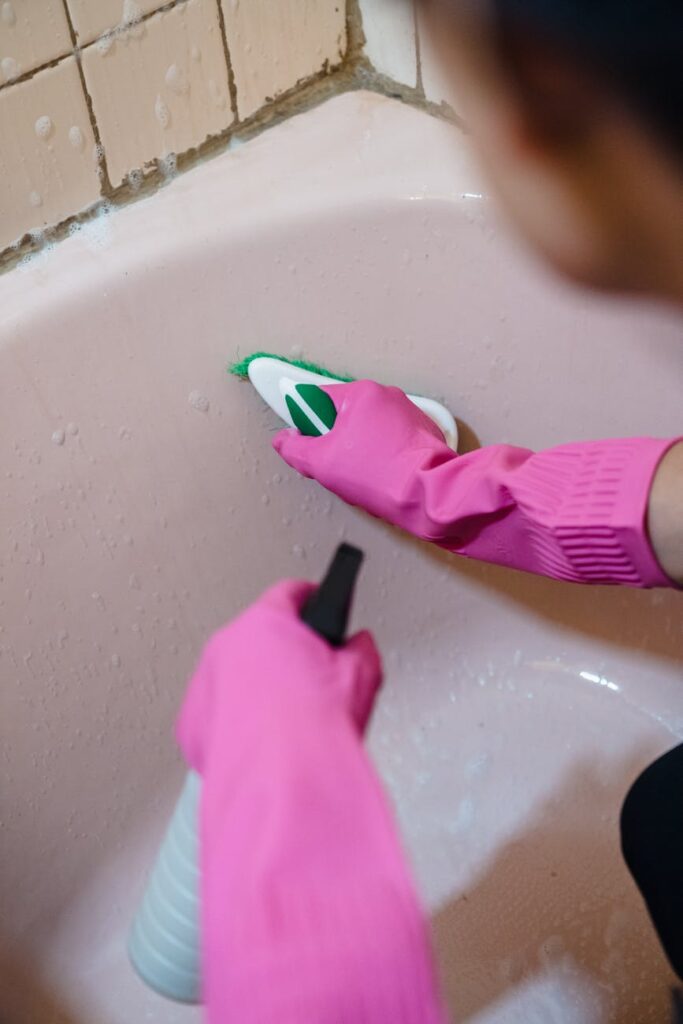
Using a scrub brush, gently scrub the affected area. Be thorough but cautious not to damage the window frame.
Step 5: Rinse and Dry
After scrubbing, use a damp cloth to wipe away any residue. Then, dry the area completely.
Step 6: Deodorize
Sprinkle baking soda over the cleaned area to absorb any lingering odours. Leave it for several hours or overnight, then vacuum it up.
Best Cleaning Methods
When dealing with window mold and the associated odours, the following methods are highly effective:
Vinegar
Vinegar is a natural disinfectant and deodorizer. Its acidity can kill many types of mold.
Hydrogen Peroxide
This is a powerful antibacterial agent that can effectively eliminate mold spores and their odours.
Baking Soda
Baking soda is excellent for neutralizing odours. It can absorb moisture and prevent future mold growth.
Common Mistakes to Avoid
1. Ignoring the Problem: Mold won’t resolve itself. Address the issue as soon as you notice it.
2. Using Bleach: While bleach can kill mold, it doesn’t remove it and can contribute to odour if not rinsed properly.
3. Not Drying Thoroughly: Mold thrives in moist conditions; ensure the area is completely dry after cleaning.
4. Neglecting Ventilation: Avoid sealing off windows completely; ensure they have adequate airflow to prevent future problems.
Prevention Tips
Preventing window mold and its odours requires ongoing effort. Here are some effective tips:
Frequently Asked Questions
1. How can I tell if I have mold on my windows?
Look for dark spots or discoloration on the window frame or sill. A musty smell is often a sign of mold as well.
2. Is mold on windows dangerous?
While not all mold is harmful, some types can cause respiratory issues or allergic reactions. It’s best to address it promptly.
3. Can I use essential oils to mask the smell?
While essential oils may provide a temporary pleasant scent, they won’t eliminate the underlying mold or its odour.
4. How often should I clean my windows to prevent mold?
Aim to clean your windows every few months, especially in high-humidity seasons.
5. What should I do if the smell persists after cleaning?
If the smell continues, you may need to consult a professional to assess and remediate the issue effectively.
6. Can I prevent window mold entirely?
While you may not be able to eliminate all chances of mold, consistent cleaning and humidity control will significantly reduce the risk.
By following the steps outlined in this guide, you’ll be well on your way to eliminating window mold odours and improving your home’s air quality. Stay proactive to keep your windows—and your living space—fresh and clean.