
Window Mold Mould & Damp Guide Part 1
Introduction
Window mold and dampness are common issues that many homeowners face. Not only do they create an unsightly appearance, but they can also lead to further damage if left untreated. This guide will help you understand the causes of mold and damp, provide clear steps to fix the problem, and offer prevention tips to keep your windows mold-free.
What Causes Mould & Damp?
Mold and dampness around windows are primarily caused by excess moisture. Here are the main contributors:
1. Condensation: This occurs when warm, moist air comes into contact with cooler surfaces, like window panes. The moisture collects and can breed mold.
2. Poor Ventilation: Inadequate airflow in your home can trap humidity, allowing mold to thrive.
3. Leaking Windows: Gaps or cracks in window seals can allow water to seep in, contributing to dampness.
4. High Humidity Levels: Living in a humid environment can increase the likelihood of mold growth, especially in poorly ventilated areas.
5. Rainwater: Water pooling around window frames from heavy rain or inadequate drainage can lead to dampness and mold.
Why This Problem Happens
Understanding why mold and dampness occur is key to addressing the issue effectively. Here are some reasons:
- Temperature Fluctuations: During colder months, indoor air can be warm and moist, while windows are cold. This temperature difference leads to condensation.
- Insulation Issues: Poorly insulated windows can contribute to cold spots, increasing the risk of condensation.
- Lifestyle Factors: Everyday activities like cooking, showering, and drying clothes indoors can add moisture to the air.
- Building Design: Older homes often have design flaws that can exacerbate mold issues, such as inadequate drainage or insufficient ventilation.
- Rubber gloves
- Protective eyewear
- Mask
- Spray bottle
- Cleaning solution (store-bought or DIY)
- Soft cloths or sponges
- Scrub brush (for tougher mold)
- Bucket
- Towels
- Neglecting Safety: Always wear gloves and a mask when cleaning mold to protect yourself from spores.
- Using Bleach: While bleach can kill mold, it doesn’t prevent regrowth and can damage certain surfaces.
- Not Drying: Failing to thoroughly dry the area can lead to mold returning quickly.
- Ignoring Root Causes: Address the underlying issues, such as ventilation and humidity, rather than just cleaning the visible mold.
How to Fix Mould & Damp (Step-by-Step)
If you discover mold or damp around your windows, follow these practical steps to resolve the issue:
Step 1: Gather Your Supplies
You will need:
Step 2: Prepare the Area
1. Ventilate the Room: Open windows and doors to allow fresh air to circulate.
2. Cover Surrounding Areas: Use plastic sheets or old towels to protect furniture and flooring from cleaning solutions.
Step 3: Apply a Cleaning Solution
1. DIY Solution: Mix one part water with one part vinegar in a spray bottle. Alternatively, you can use a store-bought mold remover.
2. Spray Affected Areas: Generously spray the moldy areas around the window frames.
Step 4: Scrub the Mold
1. Let It Sit: Allow the solution to sit for at least 10 minutes to penetrate the mold.
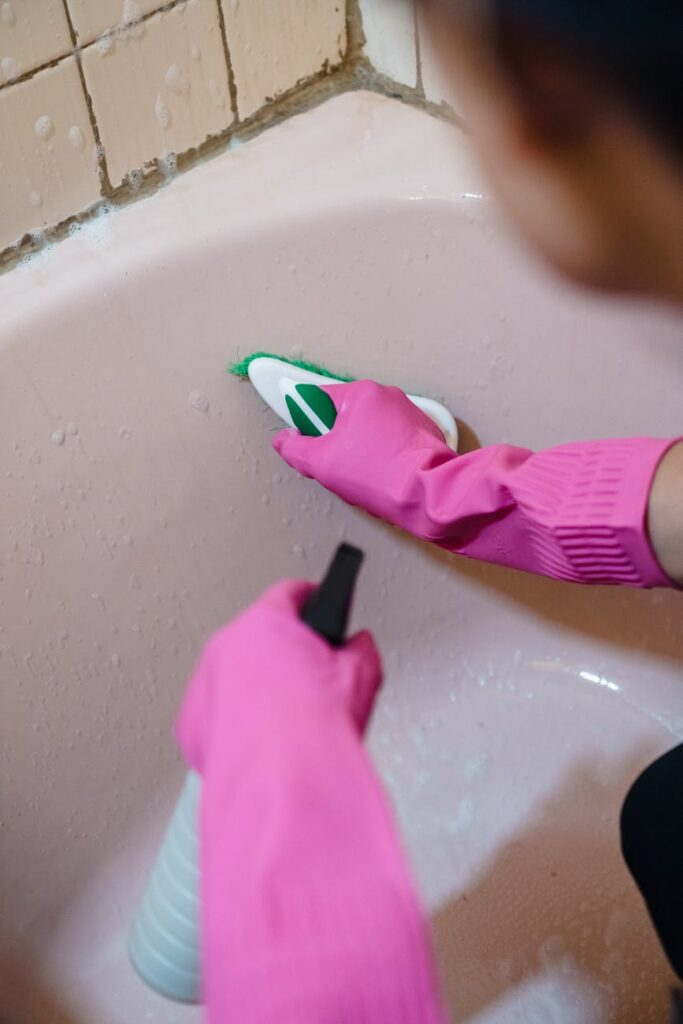
2. Scrub: Use a soft cloth or scrub brush to gently scrub the mold away. Be thorough but careful not to damage the window frame.
Step 5: Rinse and Dry
1. Rinse: Wipe the area with a clean cloth dampened with water.
2. Dry Completely: Use towels to dry the area thoroughly. This step is crucial to prevent mold from returning.
Step 6: Inspect for Damage
After cleaning, check for any signs of damage to the window frame or surrounding areas. If you notice any serious issues, consider consulting a professional for repairs.
Best Cleaning Methods
When it comes to cleaning mold, different methods can be effective:
1. Vinegar: A natural disinfectant, it can kill most types of mold.
2. Baking Soda: Mix with water to create a paste that can scrub away mold.
3. Hydrogen Peroxide: A strong disinfectant that can be used for tougher mold problems.
4. Commercial Cleaners: Many products are available specifically for mold removal; ensure they are safe for indoor use.
Common Mistakes to Avoid
Avoid these pitfalls to ensure effective mold removal:
Prevention Tips
To keep mold at bay, consider these prevention strategies:
1. Increase Ventilation: Open windows regularly and use exhaust fans in kitchens and bathrooms.
2. Control Indoor Humidity: Use a dehumidifier to maintain indoor humidity levels between 30%-50%.
3. Seal Windows Properly: Regularly check and maintain window seals to prevent leaks.
4. Use Mold-Resistant Products: When repainting or remodeling, choose mold-resistant paints and materials.
5. Regular Cleaning: Incorporate mold cleaning into your routine to catch issues early.
Frequently Asked Questions
1. How do I know if I have mold around my windows?
Look for black, green, or white patches on window frames or sills, as well as a musty smell.
2. Can I use bleach to clean mold?
While bleach can kill mold, it doesn’t prevent it from returning and can damage surfaces. It’s best to use vinegar or specialized cleaners.
3. How often should I check for mold?
Inspect your windows every few months, especially in humid seasons or after heavy rains.
4. What should I do if mold returns quickly?
Reassess your home’s ventilation and humidity levels. Persistent mold issues may require professional help.
5. Is mold dangerous?
While minor exposure is generally not harmful, certain types of mold can cause allergic reactions and respiratory issues. It’s best to address mold promptly.
6. Can I prevent mold without cleaning it first?
Prevention measures can help, but cleaning existing mold is essential to prevent regrowth and ensure a healthy living environment.
By following this guide, you can effectively tackle window mold and damp issues in your home, ensuring a cleaner and healthier living space. Stay tuned for Part 2, where we will explore more advanced techniques and troubleshooting tips!