
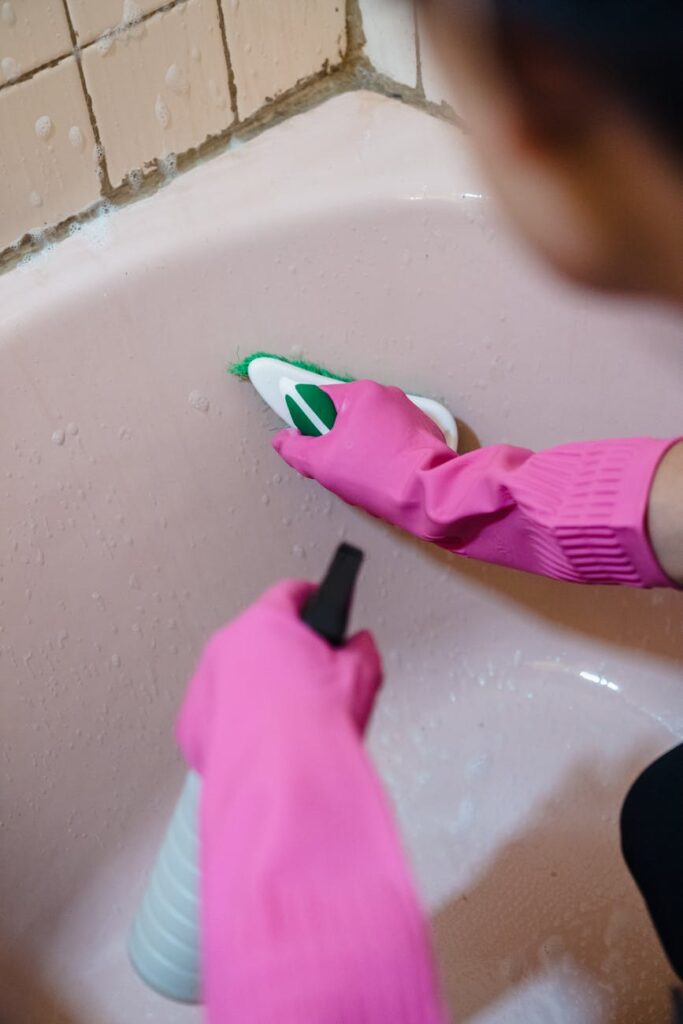
Window Mold Laundry Guide Part 1
Introduction
Window mold can be a frustrating problem, especially when it starts to affect your laundry. If you’ve ever opened your closet to find clothes with a musty smell or visible mold, you know how important it is to tackle this issue promptly. This guide will help you identify the causes of window mold affecting your laundry and provide actionable steps to fix it and prevent future occurrences.
What Causes Laundry to Get Moldy?
Mold thrives in damp environments, and windows can be a prime location for moisture buildup. Here are some common causes:
1. Condensation: When warm air hits cold window surfaces, condensation forms. This moisture can drip down onto fabrics nearby, creating a breeding ground for mold.
2. Humidity Levels: High indoor humidity can lead to mold growth on windows and nearby laundry. This is particularly common in bathrooms and kitchens.
3. Poor Ventilation: Lack of airflow can trap moisture, allowing mold to flourish.
4. Dirty Windows: Dust and dirt provide nutrients for mold spores. If your windows aren’t cleaned regularly, they can contribute to mold growth.
5. Leaky Windows: Water intrusion from outside can lead to persistent dampness, particularly if seals or weather stripping are damaged.
Why This Problem Happens
Understanding why window mold affects your laundry is essential for effective cleaning and prevention. Here are the primary reasons:
- Moisture Accumulation: As windows become damp, moisture can transfer to nearby textiles, especially if they are stored in enclosed spaces like closets or drawers.
- Temperature Changes: Fluctuating temperatures can exacerbate condensation, increasing moisture levels in your home.
- Proximity to Moldy Areas: If your laundry is stored near windows with visible mold, spores can easily transfer to your clothes.
- Inadequate Cleaning Habits: Regular cleaning routines often overlook windows, allowing mold to establish itself over time.
- Rubber gloves
- Mask
- Soft brush or sponge
- White vinegar
- Baking soda
- Laundry detergent
- Bleach (if necessary)
- Washing machine
- Mix equal parts white vinegar and water in a spray bottle.
- Spray the affected area and let it sit for about 30 minutes.
- Gently scrub with a soft brush or sponge.
- Create a paste using baking soda and water.
- Apply it to the moldy areas and let it sit for 15-20 minutes.
- Scrub gently and rinse.
How to Fix Laundry (Step-by-Step)
If you find mold on your laundry, it’s critical to act quickly. Here’s a step-by-step guide to tackle the issue:
Step 1: Gather Supplies
You’ll need:
Step 2: Assess the Damage
Check your laundry for mold spots. If it’s a small area, you might be able to treat it without a full wash. For larger infestations, washing is necessary.
Step 3: Pre-Treat Moldy Areas
1. For Small Spots:
2. For Larger Areas:
Step 4: Wash Your Laundry
1. Sorting: Separate moldy clothes from others to avoid cross-contamination.
2. Machine Settings: Use the hottest water setting safe for the fabric.
3. Add Detergent: Add your regular laundry detergent and, if necessary, a cup of white vinegar to the wash cycle.
4. Optional: For tough mold stains, add a small amount of bleach (check fabric care labels first).
Step 5: Dry Properly
1. Air Dry: If possible, air-dry your clothes outside in the sun. UV rays can help kill mold spores.
2. Use a Dryer: If air drying isn’t an option, use a dryer on the highest setting that’s safe for the fabric.
Best Cleaning Methods
When it comes to cleaning mold from laundry, these methods have proven effective:
1. Vinegar: A natural disinfectant that helps remove mold and eliminate odors.
2. Baking Soda: Acts as a gentle abrasive and deodorizer.
3. Bleach: Effective for white fabrics but should be used with caution. Always check the care labels.
4. Hydrogen Peroxide: Can be used as an alternative to bleach for colored fabrics.
5. Commercial Mold Removers: If home remedies fail, consider a commercial product designed specifically for mold removal.
Common Mistakes to Avoid
1. Ignoring Mold Growth: Delaying action only allows mold to spread.
2. Not Checking Care Labels: Using bleach on non-bleachable fabrics can damage your clothes.
3. Overloading the Washing Machine: This can prevent proper cleaning and rinsing.
4. Using Cold Water: Cold water may not effectively kill mold spores.
5. Neglecting Window Maintenance: Regular cleaning and maintenance of windows are essential to prevent moisture buildup.
Prevention Tips
To avoid mold growth on your laundry in the future, consider these tips:
1. Improve Ventilation: Open windows regularly and use exhaust fans in high-humidity areas.
2. Control Humidity Levels: Use a dehumidifier in damp areas of your home.
3. Regular Cleaning: Clean your windows periodically to remove dirt and dust.
4. Seal Leaks: Ensure that windows are properly sealed to prevent water intrusion.
5. Store Laundry Properly: Keep clothes in breathable containers to reduce moisture retention.
Frequently Asked Questions
1. Can I wash moldy clothes in cold water?
Cold water may not effectively remove mold spores. Always opt for the hottest water safe for the fabric.
2. Will vinegar remove mold from laundry?
Yes, vinegar is an effective natural cleaner that can help eliminate mold and odors.
3. How do I know if my laundry is moldy?
Look for visible spots or a musty smell. If you suspect mold, it’s best to treat it immediately.
4. Can I use bleach on colored fabrics?
Bleach can cause discoloration. Always check the care label and test a small, inconspicuous area first.
5. How can I prevent mold on my windows?
Regular cleaning, improving ventilation, and controlling humidity levels are key to preventing mold growth.
6. What should I do if mold keeps coming back?
If mold continues to return, assess the humidity and ventilation in your home, and consider consulting a professional for help.
By following these guidelines, you can effectively address and prevent window mold from affecting your laundry. Keep your clothes clean and fresh, and enjoy a mold-free environment in your home.