
Window Mold Kitchen Guide Part 1
Introduction
Mold in the kitchen, especially around windows, is a common problem that can affect both the aesthetics and health of your home. If left unchecked, it can spread quickly and become a more significant issue. In this guide, we’ll explore what causes kitchen mold, why it occurs, how to fix it, and preventative measures you can take to keep it at bay.
What Causes Kitchen Mold?
Kitchen mold thrives in specific conditions:
1. Moisture: Kitchens generate steam and moisture during cooking and cleaning. This creates a perfect environment for mold spores to flourish.
2. Poor Ventilation: Insufficient airflow allows humidity to linger, particularly around windows where condensation can build up.
3. Temperature Fluctuations: Warm air meeting cold surfaces, like window glass, can lead to condensation, creating an ideal breeding ground for mold.
4. Organic Material: Mold feeds on organic materials, such as wood and food particles. If these materials are present near windows, they can contribute to mold growth.
Why This Problem Happens
Mold spores are everywhere, and they need only moisture, warmth, and organic material to grow. In kitchens, high humidity from cooking and cleaning, combined with areas that may not dry out quickly—like the edges of windows—creates a perfect storm. Most homeowners underestimate how quickly mold can spread if the conditions are right.
How to Fix Kitchen Mold (Step-by-Step)
Cleaning mold from your kitchen windows is essential for both health and aesthetics. Follow these steps:
Step 1: Gather Supplies
You will need:
- Rubber gloves
- Protective eyewear
- Mask (to avoid inhaling spores)
- Scrub brush or sponge
- Bucket
- Distilled white vinegar or a commercial mold cleaner
- Baking soda (optional)
- Cloth or paper towels
- Spray bottle
- Clear the Area: Remove any items near the window that may obstruct your cleaning.
- Ventilation: Open windows and turn on fans to ensure proper airflow, which helps in drying and limits the spread of spores.
- For Vinegar: In a spray bottle, mix equal parts vinegar and water. Spray the affected area generously.
- For Commercial Cleaners: Follow the instructions on the label. Ensure the product is safe for the surface you’re cleaning.
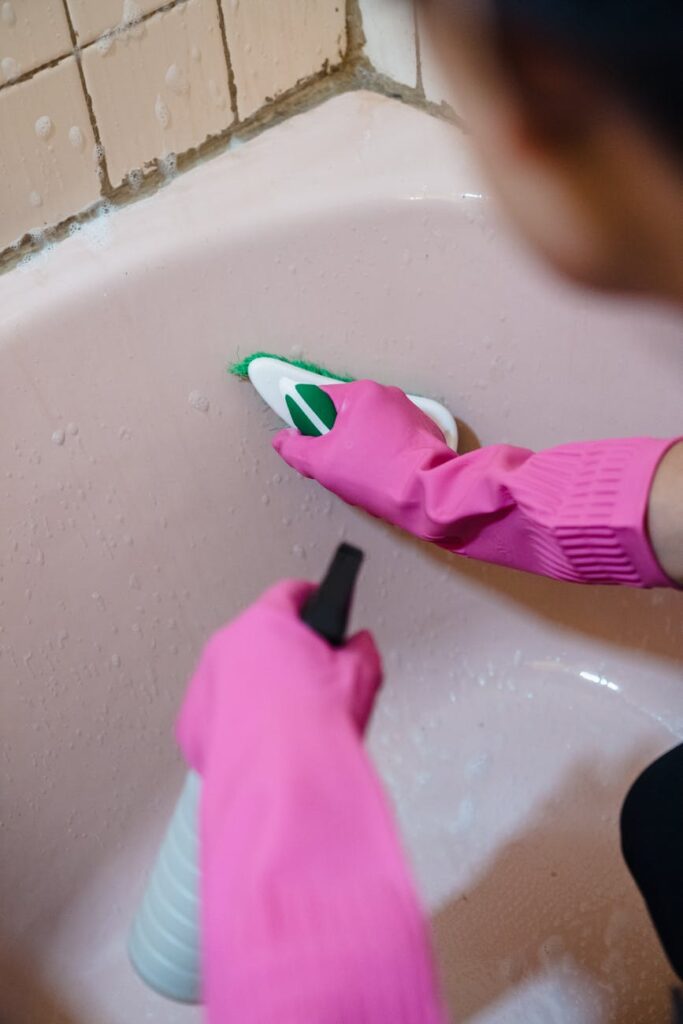
- Use a scrub brush or sponge to scrub the moldy area vigorously. Focus on any crevices or edges where mold is likely to cling.
- Wipe the area with a clean cloth dampened with water to remove any remaining mold and cleaning solution.
- Dry the area thoroughly with a clean towel. Ensure no moisture remains, as this can lead to future mold growth.
- Place any sponges, cloths, or gloves used in a sealed plastic bag and dispose of them properly to prevent spreading spores.
- Ignoring Small Spots: Even small patches of mold can quickly multiply. Address mold immediately.
- Not Ventilating Properly: Failing to ventilate during cleaning can worsen the problem.
- Using Only Water: Relying solely on water won’t kill the mold; you need a cleaning solution.
- Skipping Protective Gear: Always wear gloves and a mask to protect yourself from spores.
Step 2: Prepare the Area
Step 3: Apply Cleaning Solution
Step 4: Scrub the Mold
Step 5: Rinse and Dry
Step 6: Dispose of Waste Properly
Best Cleaning Methods
1. Vinegar: A natural disinfectant that effectively kills mold and is safe for most kitchen surfaces.
2. Baking Soda: Mix with water to create a paste. Apply to the moldy area, let it sit for 10-15 minutes, and scrub away.
3. Hydrogen Peroxide: A powerful mold killer that can be sprayed directly onto affected areas. It’s effective but may bleach some surfaces.
4. Commercial Mold Cleaners: If you prefer a ready-made solution, look for products specifically designed for mold removal. Ensure they’re safe for indoor use.
Common Mistakes to Avoid
Prevention Tips
1. Improve Ventilation: Use exhaust fans while cooking and open windows when possible to reduce humidity.
2. Use Dehumidifiers: If your kitchen tends to be humid, consider using a dehumidifier to maintain optimal moisture levels.
3. Seal Windows: Ensure window seals are intact to prevent leaks and condensation.
4. Regular Cleaning: Clean your kitchen windows and the surrounding areas regularly to prevent mold buildup.
5. Fix Leaks Promptly: Address any plumbing or roof leaks immediately to stop moisture from accumulating.
6. Monitor Humidity Levels: Use a hygrometer to keep track of humidity levels in your kitchen. Aim for levels below 60%.
Frequently Asked Questions
1. Can I use bleach to clean mold on kitchen windows?
Bleach can kill mold, but it doesn’t prevent it from returning. It’s often better to use vinegar or commercial mold removers that also inhibit future growth.
2. How do I know if mold is toxic?
Most household mold is not toxic, but certain types, such as black mold, can be harmful. If you see extensive mold growth or experience health issues, consult a professional.
3. How often should I clean for mold prevention?
Regular cleaning every few months, combined with quick spot checks after cooking or cleaning, can help keep mold at bay.
4. What should I do if mold keeps returning?
If mold returns frequently, check for underlying issues like leaks or poor ventilation. You might need to consult a mold remediation specialist.
5. Is it safe to live in a house with mold?
While small amounts of mold can be addressed with cleaning, extensive mold growth can pose health risks. If in doubt, seek professional advice.
6. Can I prevent mold by using air fresheners?
While air fresheners mask odors, they don’t prevent mold. Focus on controlling moisture and improving ventilation instead.
By following these guidelines, you can effectively tackle window mold in your kitchen and maintain a cleaner, healthier environment. Stay vigilant, and your kitchen can remain a mold-free zone.