
Window Mold Appliances Guide Part 1
Introduction
Window mold can be a persistent problem in many homes, especially in areas with high humidity. While windows provide natural light and ventilation, they can also invite mold growth if not properly maintained. This guide focuses on the appliances and tools that can help you effectively tackle window mold, ensuring your home stays clean and healthy.
What Causes Appliances?
Mold growth around windows is often the result of moisture accumulation. This can be influenced by several factors:
- Condensation: Warm air inside the home can collide with cooler window surfaces, leading to condensation. This moisture provides an ideal environment for mold.
- Leaky Windows: Poorly sealed or damaged windows can allow water to seep in, promoting mold growth.
- High Humidity: Homes in humid climates naturally have more moisture in the air, increasing the likelihood of mold.
- Poor Ventilation: Lack of airflow around windows can trap moisture, making it easier for mold to thrive.
- Inadequate heating: Cold windows can create condensation.
- Blocked drainage systems: Rainwater or snowmelt can accumulate around windows.
- Old or damaged window frames: Decay in wooden frames can absorb moisture.
- Mold and mildew cleaner: Choose a commercial cleaner or make a solution using equal parts vinegar and water.
- Spray bottle: For easy application of your cleaning solution.
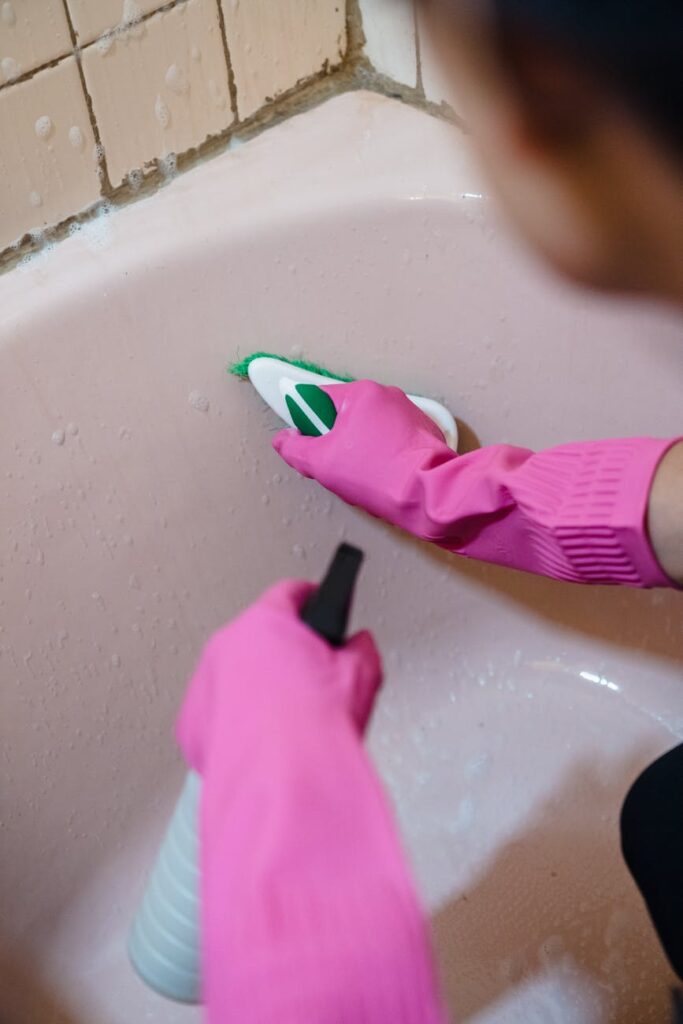
- Scrub brush: A soft-bristled brush will help you scrub without damaging surfaces.
- Microfiber cloths: These are effective for wiping surfaces clean.
- Protective gear: Gloves and a mask will help protect you from mold spores.
- Remove any furniture or decor near the window to give yourself space.
- Open windows if possible to ensure good ventilation during the cleaning process.
- Shake your spray bottle to mix the solution.
- Spray the moldy areas liberally, ensuring the solution saturates the mold.
- Use your scrub brush to gently scrub the area.
- For stubborn mold, let the solution sit for 10-15 minutes before scrubbing.
- Use a microfiber cloth to wipe away the cleaning solution and any remaining mold.
- Rinse the cloth frequently to avoid spreading mold spores.
- Use a dry cloth to remove excess moisture.
- For best results, keep the area dry by using a fan or dehumidifier.
- Using too much water: Excess water can lead to more mold growth. Always use just enough to saturate the area.
- Ignoring ventilation: Failing to ventilate your home can worsen moisture problems.
- Not addressing underlying issues: Cleaning alone won’t solve the problem if the root causes remain unaddressed.
- Using harsh chemicals without precautions: Always wear gloves and masks when using strong cleaners to protect your health.
Understanding these causes helps you choose the right cleaning appliances and methods to combat mold effectively.
Why This Problem Happens
Mold spores are everywhere—both indoors and outdoors. When the right conditions arise, such as excess moisture and lack of light, these spores can settle and grow. In homes, this is often exacerbated by:
Recognizing these issues is crucial for effective cleaning and prevention.
How to Fix Appliances (Step-by-Step)
To effectively deal with window mold, follow these steps:
Step 1: Gather Your Supplies
Before you begin cleaning, gather the following appliances and supplies:
Step 2: Prepare the Area
Step 3: Apply the Cleaner
Step 4: Scrub the Surface
Step 5: Wipe Clean
Step 6: Dry the Area
Best Cleaning Methods
When it comes to cleaning mold around windows, here are the most effective methods:
1. Vinegar Solution
Vinegar is a natural mold killer. Mix equal parts vinegar and water in a spray bottle. Spray it directly on the mold and let it sit before scrubbing.
2. Hydrogen Peroxide
For heavy mold infestations, hydrogen peroxide can be effective. Use a 3% solution, spray it on the area, and let it sit for at least 10 minutes before scrubbing.
3. Store-Bought Cleaners
Look for mold-specific cleaners that contain ingredients like bleach or other antifungal agents. Follow the manufacturer’s instructions for best results.
4. Baking Soda
Baking soda can be used as a gentle scrubbing agent. Mix it with water to create a paste, apply it to the mold, and scrub.
Common Mistakes to Avoid
When cleaning window mold, be mindful of these common pitfalls:
Prevention Tips
Preventing mold around your windows is just as important as cleaning it. Here are some practical tips:
1. Improve Ventilation: Use exhaust fans in kitchens and bathrooms to reduce humidity levels.
2. Seal Windows: Check for drafts and seal any gaps to prevent moisture from entering.
3. Use Dehumidifiers: In humid climates, use dehumidifiers to keep indoor humidity levels below 60%.
4. Regular Cleaning: Incorporate window cleaning into your regular cleaning routine to catch mold early.
5. Use Mold-Resistant Paint: If repainting, consider using mold-resistant paint on window frames.
Frequently Asked Questions
1. How often should I clean window mold?
Aim to clean window mold at least once every few months, or more frequently in humid conditions.
2. Is mold around windows harmful?
While surface mold is generally not harmful, it can lead to health issues for sensitive individuals and may indicate larger moisture problems.
3. Can I use bleach to clean window mold?
Bleach can kill mold on non-porous surfaces but may not be effective on porous materials. Use it with caution and always follow safety guidelines.
4. What are signs of mold around windows?
Look for dark spots, a musty smell, or visible water damage around windows as signs of mold growth.
5. Should I remove window treatments when cleaning mold?
Yes, it’s best to remove curtains or blinds to ensure a thorough cleaning and avoid spreading mold spores.
6. Can mold return after cleaning?
Yes, mold can return if underlying moisture problems are not addressed. Regular maintenance and preventative measures are essential.
By following this guide, you can effectively tackle window mold and keep your home clean and healthy. Stay tuned for Part 2, where we’ll delve deeper into advanced cleaning techniques and tools.