
Window Mildew Removal Stains Guide Part 1
Introduction
Mildew stains on windows can be an unsightly nuisance, diminishing the beauty of your home and potentially leading to long-term damage. This guide aims to provide practical, actionable steps for homeowners facing this common cleaning challenge. From understanding the causes to effective removal methods, we cover everything you need to know to tackle window mildew stains efficiently.
What Causes Stains?
Mildew stains on windows result from a combination of moisture and organic materials. Here are the primary causes:
1. Humidity: High humidity levels create an ideal environment for mildew to thrive. This is especially common in bathrooms, kitchens, and poorly ventilated areas.
2. Poor Ventilation: Inadequate airflow allows moisture to accumulate, contributing to mildew growth.
3. Organic Matter: Dust, dirt, and other organic materials can cling to the window surface, providing a nutrient source for mildew.
4. Water Leaks: Water intrusion from leaks in roofs or walls can lead to persistent moisture, fostering mildew growth.
Understanding these causes helps in tackling the stains effectively and preventing them from reoccurring.
Why This Problem Happens
Mildew stains form as a result of a biological process. When spores from mildew find a damp surface, they settle and begin to grow. This growth is accelerated by:
- Temperature: Warm conditions promote faster mildew growth.
- Lack of Light: Dark areas are more prone to mildew, as sunlight acts as a natural disinfectant.
- Poor Maintenance: Neglecting regular cleaning allows mildew to flourish.
- White vinegar or hydrogen peroxide
- Baking soda
- Spray bottle
- Soft cloth or sponge
- Scrub brush (soft-bristled)
- Gloves
- Bucket of warm water
- Vinegar Solution: Mix equal parts of white vinegar and water in a spray bottle.
- Baking Soda Paste: Combine baking soda with a small amount of water to create a paste.
- For Vinegar: Spray the solution generously on the stained areas. Let it sit for about 10-15 minutes.
- For Baking Soda Paste: Apply the paste directly onto the stains, focusing on heavily affected areas.
Addressing these factors is crucial for both immediate and long-term solutions.
How to Fix Stains (Step-by-Step)
Removing mildew stains from windows requires a systematic approach. Here’s a step-by-step guide:
Step 1: Gather Your Supplies
Before you begin, collect the following cleaning supplies:
Step 2: Prepare the Cleaning Solution
For a simple and effective solution, you can use either:
Step 3: Apply the Solution
Step 4: Scrub the Stains
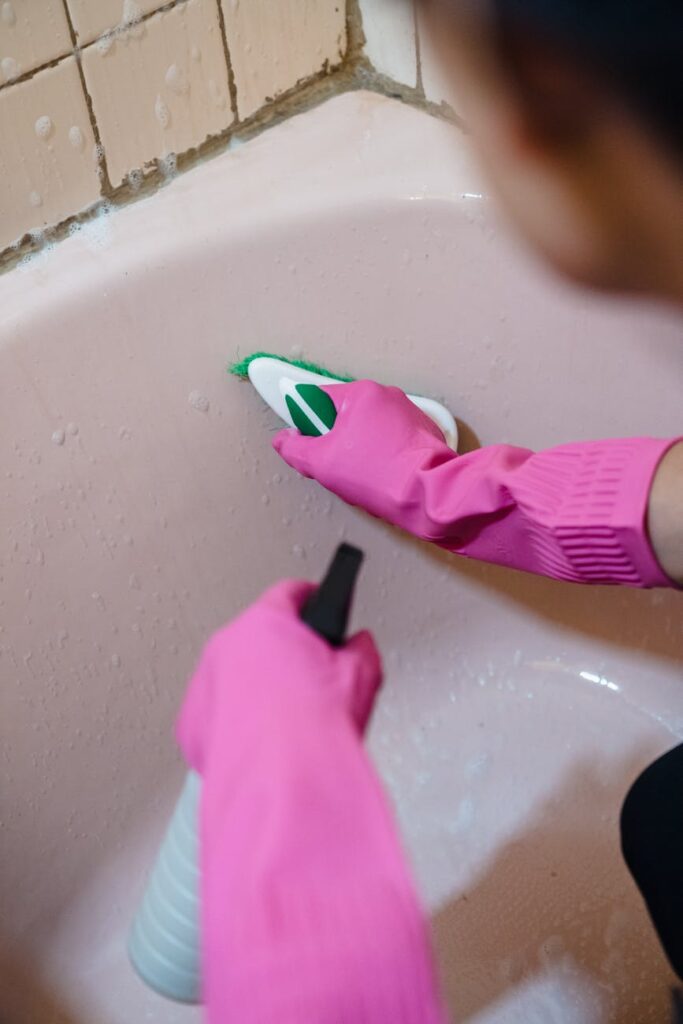
Using a soft cloth or sponge, gently scrub the stained areas. For tougher stains, use a soft-bristled scrub brush. Avoid using harsh materials that could scratch the glass.
Step 5: Rinse and Dry
After scrubbing, rinse the window with warm water to remove any residue. Dry the glass with a clean microfiber cloth to prevent water spots.
Step 6: Inspect and Repeat
Check for any remaining stains. If necessary, repeat the process until the stains are completely gone.
Best Cleaning Methods
When it comes to effective mildew removal from windows, consider these best methods:
1. Vinegar and Water
Vinegar is a natural disinfectant that kills mildew spores and cleans effectively.
2. Hydrogen Peroxide
This is a powerful mildew remover that can be used similarly to vinegar. Spray it directly on the stains and let it sit before scrubbing.
3. Baking Soda
Baking soda can effectively lift stains when used as a paste. It also acts as a deodorizer.
4. Commercial Mildew Removers
If home remedies aren’t cutting it, consider using commercial mildew removers. Ensure they are safe for glass surfaces and follow the manufacturer’s instructions.
Common Mistakes to Avoid
When tackling window mildew stains, be mindful of the following pitfalls:
1. Using Harsh Chemicals: Avoid bleach or ammonia-based cleaners, as these can damage window seals and frames.
2. Neglecting Protective Gear: Always wear gloves to protect your skin from irritation.
3. Not Ventilating the Area: Make sure the area is well-ventilated while cleaning to avoid inhalation of fumes.
4. Skipping Regular Maintenance: Regular cleaning and inspection can prevent future mildew growth.
Prevention Tips
Preventing mildew stains is easier than removing them. Here are some effective strategies:
1. Maintain Low Humidity: Use a dehumidifier in areas prone to moisture, like bathrooms and basements.
2. Improve Ventilation: Open windows, use exhaust fans, and ensure air circulation to reduce moisture buildup.
3. Regular Cleaning: Clean windows at least once a month to remove dust and organic matter that promote mildew growth.
4. Seal Leaks: Regularly inspect and repair any roof or window leaks to prevent moisture intrusion.
Frequently Asked Questions
1. How often should I clean my windows to prevent mildew?
Regular cleaning every month is recommended, especially in high-humidity areas.
2. Can I use bleach to remove mildew stains?
It’s best to avoid bleach, as it can damage window seals and frames. Opt for vinegar or baking soda instead.
3. Are there specific window types more prone to mildew?
Yes, double-pane windows with poor seals can trap moisture, making them more susceptible to mildew growth.
4. Can I use these methods on other surfaces?
Yes, the vinegar and baking soda methods are effective on various surfaces, including bathroom tiles and kitchen counters.
5. What if the stains persist after cleaning?
If stains persist, consider using a commercial mildew remover or consulting a professional cleaning service.
6. Is it harmful to breathe in mildew?
Yes, prolonged exposure to mildew can lead to respiratory issues, so it’s important to address any mold or mildew problems promptly.
Conclusion
Mildew stains on windows can be a frustrating issue for homeowners, but with the right knowledge and tools, they can be effectively managed. By understanding the causes, employing the right cleaning methods, and taking preventative measures, you can ensure your windows remain clear and free of mildew. In Part 2 of this guide, we’ll delve deeper into advanced techniques and solutions for stubborn mildew stains. Stay tuned!