
Window Mildew Removal Odours Guide Part 1
Introduction
Mildew can be a persistent problem in homes, especially around windows where moisture tends to accumulate. Not only does it create an unsightly appearance, but it can also produce unpleasant odours that linger in your living space. This guide will help you understand the causes of these odours, how to eliminate them, and tips to prevent them from returning.
What Causes Odours?
Mildew emits a musty smell due to the decomposition of organic materials. When mildew grows on window frames, sills, or the glass itself, it releases spores and volatile organic compounds (VOCs). These compounds are responsible for that characteristic damp odour. In addition to mildew, trapped moisture and condensation can contribute to a stale atmosphere, worsening the smell.
Why This Problem Happens
Several factors can lead to the growth of mildew and the resulting odours:
1. High Humidity: When indoor humidity levels exceed 60%, it creates an ideal environment for mildew to thrive.
2. Poor Ventilation: Insufficient airflow allows moisture to linger, especially in poorly ventilated areas like bathrooms or kitchens.
3. Water Leaks: Leaks from windows, roofs, or plumbing can introduce excess moisture, fostering mildew growth.
4. Dirt and Organic Matter: Dust, leaves, and other debris can accumulate on window sills, providing a food source for mildew.
Understanding these factors is crucial for effective mildew and odour removal.
How to Fix Odours (Step-by-Step)
Follow these steps to eliminate odours caused by window mildew.
Step 1: Gather Necessary Supplies
- White vinegar
- Baking soda
- Spray bottle
- Soft-bristle brush or sponge
- Microfiber cloth
- Rubber gloves
- Mask (for protection against spores)
Step 2: Prepare Your Cleaning Solution
1. Vinegar Solution: Mix equal parts white vinegar and water in a spray bottle. Vinegar is effective in killing mildew spores.
2. Baking Soda Paste: For stubborn stains, mix baking soda with a little water to create a paste.
Step 3: Remove Visible Mildew
1. Spray the vinegar solution generously onto the affected areas.
2. Let it sit for at least 10 minutes to penetrate the mildew.
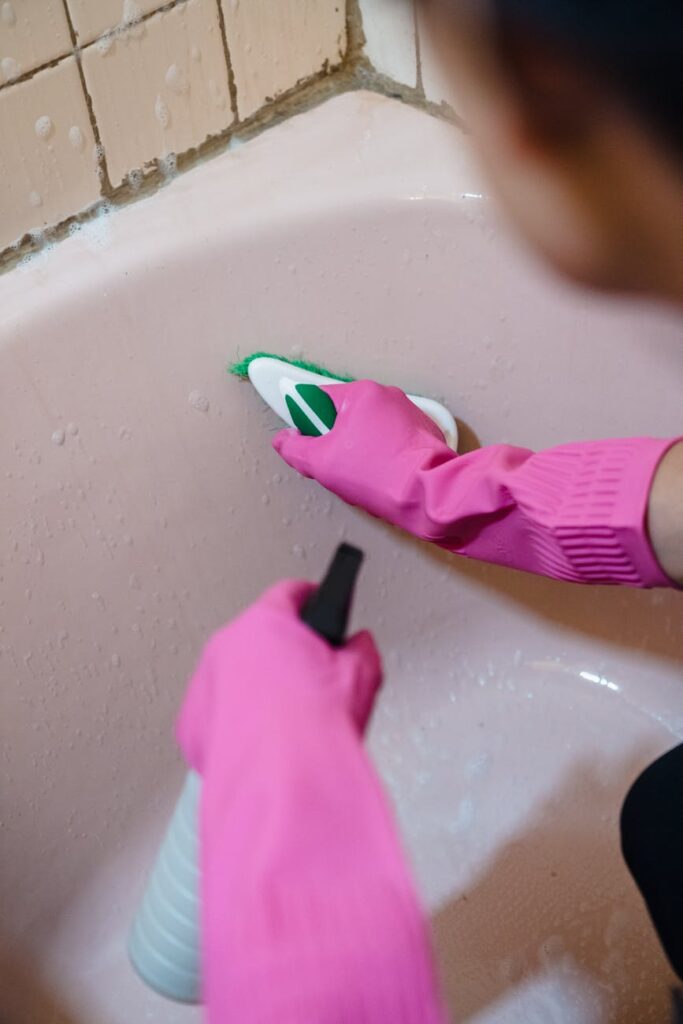
3. Use a soft-bristle brush or sponge to scrub the mildew away.
4. Rinse the area with clean water.
Step 4: Apply Baking Soda
1. For persistent stains or odours, apply the baking soda paste to the affected areas.
2. Let it sit for 15-20 minutes, then scrub again.
3. Rinse thoroughly with clean water.
Step 5: Dry Thoroughly
1. Use a microfiber cloth to dry the area completely.
2. Open windows to improve ventilation and reduce humidity.
Step 6: Monitor and Maintain
1. Keep an eye on the area for any signs of return.
2. Repeat the cleaning process as necessary.
Best Cleaning Methods
In addition to the vinegar and baking soda method, consider these effective cleaning approaches:
1. Hydrogen Peroxide: A 3% hydrogen peroxide solution can kill mildew spores and remove odours. Spray it on affected areas, let it sit for 10 minutes, and scrub carefully.
2. Commercial Mildew Cleaners: If natural solutions don’t work, there are various commercial mildew removers available. Always follow the instructions and ensure good ventilation.
3. Essential Oils: Adding a few drops of tea tree oil or lavender oil to your cleaning solution can provide a pleasant scent and have antifungal properties.
Common Mistakes to Avoid
1. Ignoring Ventilation: Failing to improve airflow can lead to recurring mildew issues. Always ensure good ventilation in areas prone to moisture.
2. Using Bleach: While bleach may seem effective, it only masks the smell and can create toxic fumes when mixed with other cleaners.
3. Overlooking Hidden Areas: Mildew can grow in hidden spots like the edges of window frames or between panes of glass. Be thorough in your cleaning.
4. Neglecting Maintenance: Once the mildew is gone, neglecting regular cleaning and moisture control can lead to a quick return.
Prevention Tips
1. Control Humidity: Use a dehumidifier to keep indoor humidity levels below 60%. Regularly check humidity levels with a hygrometer.
2. Improve Airflow: Open windows regularly and use exhaust fans in kitchens and bathrooms to promote airflow.
3. Seal Windows: Inspect and repair window seals to prevent leaks and moisture intrusion.
4. Regular Cleaning: Establish a regular cleaning schedule for windows, including sills and frames, to prevent mildew build-up.
5. Use Moisture Absorbers: Place silica gel packets or activated charcoal near windows to absorb moisture.
Frequently Asked Questions
1. How often should I clean my windows to prevent mildew?
Aim for at least once every three months, but more frequent cleaning may be necessary in high-humidity areas.
2. Can I use vinegar on all window types?
Yes, vinegar is safe for most window types. However, avoid using it on tinted or coated glass as it may damage the surface.
3. Is it safe to breathe in mildew spores?
While occasional exposure may not cause serious health issues, prolonged exposure can lead to respiratory problems. Always wear a mask when cleaning mildew.
4. What if the odour persists after cleaning?
If the smell continues, there may be hidden mildew or moisture issues. Inspect areas around the window, including frames and walls, for further cleaning.
5. Can I use essential oils to mask the smell?
While essential oils can provide a pleasant scent, they should not replace proper cleaning. Ensure mildew is removed first before using oils.
6. What should I do if I see black spots on my window?
Black spots are likely mildew. Follow the cleaning steps outlined in this guide to remove them effectively.
By following these practical tips and methods, you can effectively tackle window mildew and its associated odours, ensuring a fresh and healthy living environment. Keep an eye on moisture levels and maintain your windows regularly to prevent future problems.