
Window Mildew Removal Odours Guide Part 1
Introduction
Mildew can be a homeowner’s nightmare, especially when it leaves behind lingering odours. Not only do these smells make your home feel uninviting, but they can also indicate an underlying issue that needs to be addressed. This guide will help you understand the causes of odours related to window mildew and provide practical steps to eliminate them effectively.
What Causes Odours?
Mildew thrives in damp, humid environments, particularly around windows where moisture can accumulate. The odours associated with mildew are typically caused by the fungi and mold that grow when conditions are right. Here are some common culprits:
1. Moisture Accumulation: Water from rain, humidity, or condensation can create a perfect breeding ground for mildew.
2. Poor Ventilation: Areas with inadequate airflow can trap moisture, encouraging mildew growth.
3. Organic Material: Dust, dirt, and other organic materials can serve as food for mildew, intensifying the odour.
4. Temperature Fluctuations: Warm temperatures combined with humidity create ideal conditions for mildew.
Why This Problem Happens
Understanding why mildew develops in the first place can help you tackle the odour issue more effectively. Several factors contribute to mildew growth around windows:
- Condensation: When warm air meets cold surfaces, water droplets form. If your windows are not properly sealed, this can lead to moisture accumulation.
- Neglected Cleaning: Over time, dirt and organic materials can build up, providing a food source for mildew.
- Building Issues: Structural problems, such as leaks or poor insulation, can exacerbate moisture issues.
- White vinegar
- Baking soda
- Water
- Spray bottle
- Soft cloths or sponges
- Gloves
- Mask (if you are sensitive to mildew spores)
- Skipping the Drying Step: Not drying the area properly can lead to moisture accumulation and further mildew growth.
- Using Bleach: While bleach can kill mildew, it often doesn’t eliminate the smell and may create harmful fumes.
- Ignoring Ventilation: Failing to improve airflow in the area will make it difficult to prevent future odours.
- Neglecting Regular Cleaning: Regular maintenance is key; don’t wait for the mildew to become visible before cleaning.
How to Fix Odours (Step-by-Step)
Eliminating odours from window mildew requires a straightforward approach. Follow these steps for effective results:
Step 1: Gather Your Supplies
You’ll need:
Step 2: Create a Cleaning Solution
Mix equal parts of white vinegar and water in a spray bottle. This solution will help neutralize the mildew odour effectively.
Step 3: Spray the Affected Area
Spray the vinegar solution generously on the areas around the windows where mildew is visible. Ensure you cover all surfaces, including the window frames and sills.
Step 4: Let It Sit
Allow the solution to sit for at least 15 minutes. This dwell time helps break down the mildew.
Step 5: Scrub the Area
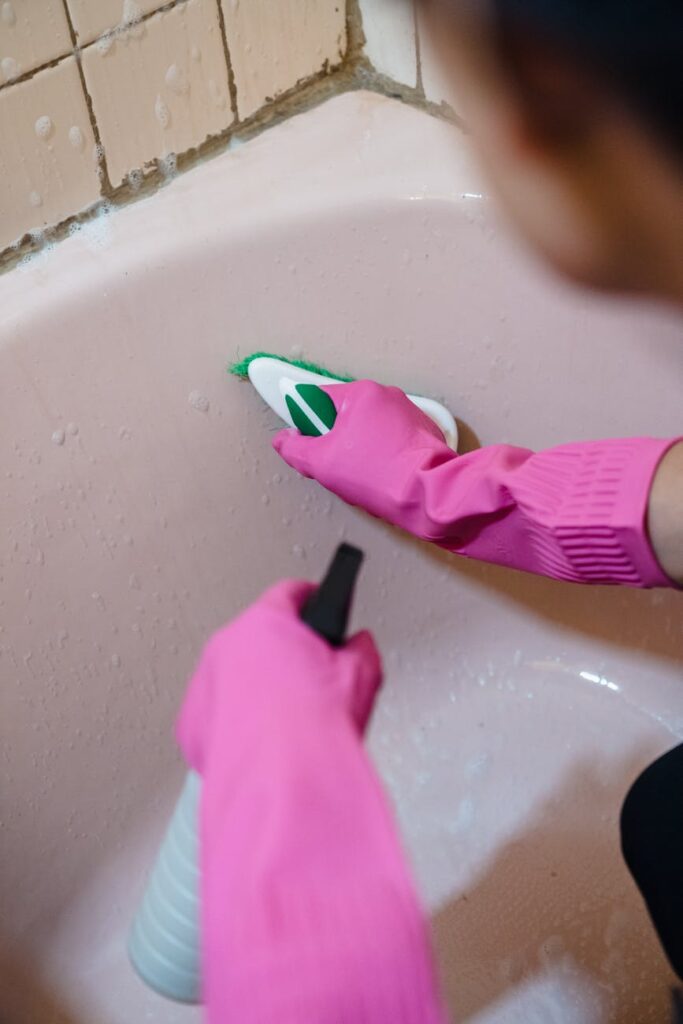
Use a soft cloth or sponge to scrub the affected areas gently. Be thorough to ensure all mildew and its residues are removed.
Step 6: Rinse and Dry
After scrubbing, rinse the area with clean water to remove any vinegar residue. Use a dry cloth to wipe down the surfaces completely to prevent future moisture buildup.
Step 7: Odour Neutralization
For persistent odours, sprinkle baking soda in the affected areas. Let it sit for several hours or overnight before vacuuming it up. Baking soda naturally absorbs odours.
Best Cleaning Methods
When it comes to cleaning mildew and eliminating odours, these methods have proven effective:
1. Vinegar Solution: As mentioned, vinegar is a powerful natural cleaner that can tackle mildew odours.
2. Baking Soda: An excellent odour absorber, baking soda works best when left to sit.
3. Hydrogen Peroxide: A 3% hydrogen peroxide solution can also be used to kill mildew spores.
4. Commercial Cleaners: If natural methods aren’t effective, there are commercial mildew removers specifically designed to tackle this issue.
Common Mistakes to Avoid
Avoid these pitfalls to ensure effective odour removal:
Prevention Tips
Preventing mildew and its associated odours is easier than removing them. Here are some proactive measures:
1. Regular Cleaning: Keep windows clean and free from dirt and organic materials.
2. Improve Ventilation: Ensure that your home is well-ventilated, especially in humid areas like kitchens and bathrooms.
3. Use Dehumidifiers: Consider using a dehumidifier in areas prone to moisture.
4. Seal Windows Properly: Make sure your windows are properly sealed to prevent moisture from entering.
5. Check for Leaks: Regularly inspect your windows and surrounding areas for any signs of leaks or water damage.
Frequently Asked Questions
1. How do I know if I have mildew or mold?
Mildew typically appears as a thin, white or gray layer, while mold can grow in various colors and is often fuzzy. Both can cause unpleasant odours.
2. Can I use essential oils to mask the smell?
Essential oils can help mask the smell temporarily, but they do not resolve the underlying problem. It’s best to remove the mildew first.
3. How often should I clean my windows to prevent mildew?
Aim to clean your windows every few months, or more frequently in humid conditions.
4. Is there a way to prevent mildew odours from returning?
Yes, regular cleaning and proper ventilation are key. Keeping moisture levels low will also help.
5. Can I use vinegar on all types of window frames?
While vinegar is safe for most window frames, always test on a small area first, especially for wood frames.
6. What if the mildew keeps coming back?
If mildew continues to return, it may indicate a more serious moisture problem. Consider consulting a professional for a thorough inspection.
By following these steps and tips, you can effectively tackle the odours caused by window mildew and create a fresher, more inviting home environment.