
Window Mildew Removal: Mould & Damp Guide Part 1
Introduction
Mould and damp around windows are common problems many homeowners face. Not only are they unsightly, but they can also damage your home and affect indoor air quality. In this guide, we’ll explore the causes of mould and damp, provide actionable steps for removal, share effective cleaning methods, and offer tips for prevention.
What Causes Mould & Damp?
Mould thrives in damp conditions. The following factors contribute to mould and damp around windows:
1. Humidity: High moisture levels in the air, often from cooking, showering, or inadequate ventilation.
2. Condensation: Cold surfaces, such as window panes, can lead to condensation when warm air comes into contact with them.
3. Leaks: Water ingress from external sources, such as roof leaks or poorly sealed windows.
4. Poor Ventilation: Insufficient airflow can trap moisture indoors, creating perfect breeding grounds for mould.
Why This Problem Happens
Understanding why mould and damp appear can help you mitigate the issue:
- Temperature Differences: Cold windows attract moisture from warm indoor air, leading to condensation.
- Lack of Airflow: Areas with minimal ventilation, such as corners or behind furniture, can become damp and mould-prone.
- Construction Materials: Some building materials absorb and retain moisture, exacerbating the problem.
- Seasonal Changes: Changes in temperature and humidity levels throughout the year can trigger mould growth.
- Rubber gloves
- Face mask
- Soft cloths or sponges
- Spray bottle
- White vinegar or a commercial mould remover
- Baking soda (optional)
- Scrub brush
- Bucket of warm soapy water
How to Fix Mould & Damp (Step-by-Step)
Removing mould and damp from windows involves a systematic approach. Follow these steps:
Step 1: Gather Your Supplies
You’ll need:
Step 2: Prepare the Area
1. Ventilate the Room: Open windows and doors to increase airflow.
2. Cover Surrounding Areas: Protect surfaces around the window with plastic sheets or old towels.
Step 3: Apply the Cleaning Solution
1. Vinegar Method: Pour white vinegar into a spray bottle and spray the affected areas. Let it sit for at least 30 minutes.
2. Commercial Cleaner: If using a commercial mould remover, follow the manufacturer’s instructions.
Step 4: Scrub the Mould
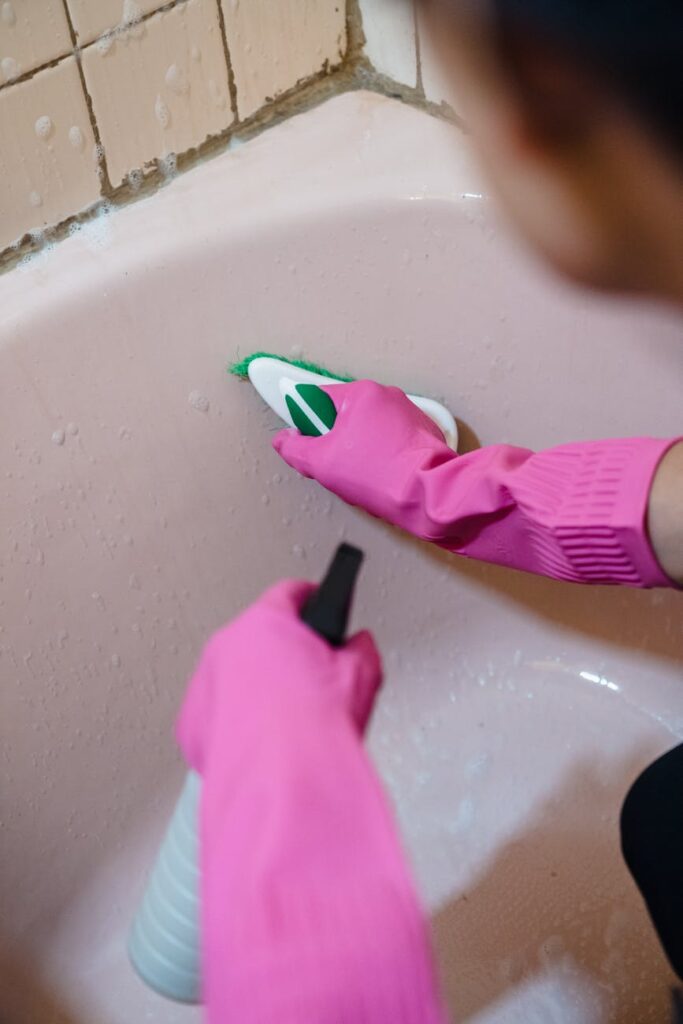
1. Use a scrub brush or a sponge to gently scrub the mouldy area.
2. For stubborn spots, sprinkle baking soda on the sponge for added scrubbing power.
Step 5: Rinse and Dry
1. Wipe the area with a clean, damp cloth to remove cleaning solution and mould residue.
2. Dry the surface thoroughly with a dry cloth to prevent moisture buildup.
Step 6: Dispose of Waste Properly
Seal any mould-contaminated materials in a plastic bag and dispose of them responsibly.
Best Cleaning Methods
When it comes to cleaning mould and damp, several methods stand out:
1. White Vinegar: A natural antifungal that kills most mould species. It’s safe and effective.
2. Baking Soda: A gentle abrasive that can help scrub away mould while neutralizing odours.
3. Hydrogen Peroxide: An effective mould killer that can be used in a spray bottle (3% solution).
4. Commercial Cleaners: For severe infestations, consider using specialised mould removal products.
Common Mistakes to Avoid
To ensure effective mould removal and prevent recurrence, avoid these common mistakes:
1. Ignoring the Source: Always address the underlying cause of damp, such as leaks or poor ventilation, before cleaning.
2. Using Bleach: While bleach can kill mould, it doesn’t prevent regrowth and can damage surfaces.
3. Inadequate Drying: Failing to dry the area thoroughly can result in mould returning quickly.
4. Neglecting Safety: Always wear gloves and a mask to protect yourself from inhaling mould spores.
Prevention Tips
Preventing mould and damp is key to maintaining a healthy home. Here are some tips to keep your windows and home free from mould:
1. Increase Ventilation: Use exhaust fans in kitchens and bathrooms, and open windows regularly.
2. Control Humidity: Aim for indoor humidity levels between 30-50%. Use a dehumidifier if necessary.
3. Seal Windows: Regularly check window seals and caulking for gaps. Repair or replace as needed.
4. Use Mould-Resistant Products: When painting or renovating, choose mould-resistant paints and materials.
Frequently Asked Questions
1. How do I know if I have mould behind my window frames?
Look for signs such as discolouration, a musty smell, or visible mould on the frame. You may need to remove the frame to inspect behind it.
2. Can I use vinegar and baking soda together for cleaning?
Yes, you can use them together, but be cautious. Vinegar and baking soda react to create carbon dioxide, which can create a fizzy effect. Apply them separately for the best results.
3. How often should I check my windows for mould?
Inspect your windows at least once a month, particularly during humid summer months, to catch any signs of mould early.
4. What if the mould keeps coming back?
If mould returns frequently, there may be an underlying issue, such as a leak or insufficient insulation. Consider consulting a professional for a thorough inspection.
5. Can I paint over mould?
No, painting over mould is not advisable as it will likely reappear. Properly clean and treat the area first.
6. Is it safe to remove mould myself?
For small areas, it’s generally safe to remove mould yourself. However, if you have a large infestation or health concerns, it’s best to hire a professional.
Conclusion
Dealing with mould and damp around windows can be a straightforward task if you approach it with the right knowledge and tools. By identifying the causes, following effective removal methods, and implementing preventive measures, you can keep your home healthy and mould-free. Stay tuned for Part 2, where we will dive deeper into advanced mould prevention strategies and maintenance tips.