
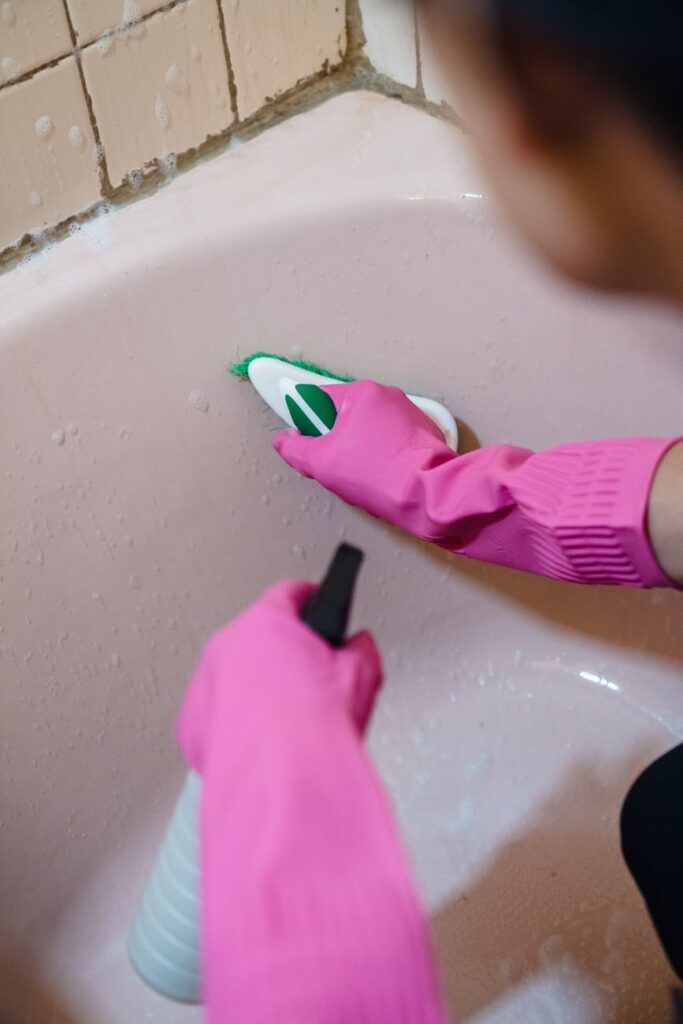
Window Mildew Removal Laundry Guide Part 1
Introduction
Mildew on windows can be a frustrating sight, especially when it creeps into your laundry. If you’ve noticed musty smells or dark spots on your clothes, curtains, or bedding, it’s time to tackle this problem. In this guide, we’ll explore what causes mildew, why it develops, and how to effectively eliminate it from your laundry.
What Causes Laundry Mildew?
Mildew is a type of fungus that thrives in moist, warm environments. When it comes to laundry, mildew can develop for several reasons:
1. Humidity: High humidity levels can create the perfect breeding ground for mildew.
2. Poor Air Circulation: Rooms with little ventilation trap moisture.
3. Wet Clothes: Leaving damp laundry in the washing machine or dryer for too long encourages mildew growth.
4. Dirty Washing Machines: Residue from detergent and fabric softeners can contribute to mildew.
5. Infrequent Washing: Clothes that aren’t washed regularly can accumulate moisture and mildew.
Why This Problem Happens
Understanding why mildew appears in your laundry is crucial for effective removal:
- Moisture Retention: Fabrics absorb moisture, which can lead to mildew if not dried properly.
- Temperature Fluctuations: Warm air can hold more moisture. When temperatures drop, this moisture can condense on surfaces, including your laundry.
- Organic Material: Mildew thrives on organic materials such as cotton, which is commonly used in clothing and linens.
How to Fix Laundry (Step-by-Step)
If you have discovered mildew in your laundry, follow these steps to effectively remove it:
Step 1: Assess the Damage
Inspect your laundry for mildew stains. Check for any discoloration or musty odors, particularly in dark, damp areas.
Step 2: Pre-Treat Stains
1. Create a Cleaning Solution: Mix equal parts of white vinegar and water in a spray bottle.
2. Spray Affected Areas: Generously spray the mildew stains and allow it to sit for 15-30 minutes.
Step 3: Wash the Laundry
1. Load the Washing Machine: Place your items into the washing machine.
2. Add Detergent: Use a heavy-duty detergent designed to combat mildew.
3. Select the Right Cycle: Choose a hot water cycle if the fabric allows. Hot water is more effective in killing mildew.
4. Add Vinegar: For an extra boost, add one cup of white vinegar to the rinse cycle.
Step 4: Dry Correctly
1. Check for Residual Odors: After washing, sniff the items. If you still detect mildew, repeat the wash process.
2. Dry Thoroughly: Use a dryer on a high heat setting or hang items outside in the sun. Sunlight acts as a natural mildew deterrent.
Best Cleaning Methods
When it comes to removing mildew from laundry, several effective methods can be employed:
1. Vinegar and Baking Soda: Combine one cup of vinegar and one cup of baking soda for a powerful cleaning paste. Apply it to the stains, scrub gently, and wash.
2. Oxygen Bleach: This is a color-safe alternative to traditional bleach. Follow the manufacturer’s instructions for use.
3. Borax: Adding half a cup of borax to your laundry can help eliminate mildew effectively.
4. Commercial Mildew Removers: Products specifically designed for mildew removal can also work well. Always follow the directions on the label.
Common Mistakes to Avoid
1. Ignoring Mildew Smells: Don’t overlook a musty odor; it often indicates mildew.
2. Using Cold Water: Cold water may not effectively kill mildew; opt for warm or hot water.
3. Overloading the Washer: This can prevent proper cleaning and rinsing.
4. Skipping the Drying Step: Ensure items are completely dry; dampness can lead to mildew returning.
5. Neglecting the Washing Machine: Regularly clean your washing machine to prevent mildew buildup.
Prevention Tips
Preventing mildew from developing in your laundry is easier than dealing with it after the fact. Here are some effective strategies:
1. Dry Clothes Immediately: Never leave damp laundry in the washing machine.
2. Improve Airflow: Use a dehumidifier or air conditioner in humid months.
3. Store Fabrics Properly: Ensure items are dry before storing them in closets.
4. Regular Cleaning: Clean your washing machine monthly with vinegar or a commercial cleaner.
5. Wash Regularly: Make it a habit to wash items frequently, especially those prone to mildew growth.
Frequently Asked Questions
1. How can I tell if my laundry has mildew?
Look for dark spots or a musty smell. If you notice either, it’s likely that mildew is present.
2. Can I use bleach to remove mildew?
Yes, but be cautious. Use color-safe bleach or oxygen bleach to avoid damaging your fabrics.
3. What should I do if the mildew smell persists after washing?
If the smell remains, wash the items again using a vinegar solution or a specialized mildew remover.
4. Is it safe to wash all fabrics with vinegar?
Vinegar is generally safe for most fabrics, but always check the care label first. Avoid using vinegar on delicate items like silk.
5. Can mildew affect my health?
While it’s primarily a cosmetic issue, prolonged exposure to mildew can lead to respiratory issues for some individuals.
6. What’s the best way to store clean laundry to prevent mildew?
Ensure that laundry is completely dry before storing. Use breathable containers and avoid plastic bags.
By following these steps and tips, you can effectively remove and prevent mildew from your laundry, keeping your home fresh and clean. Stay tuned for Part 2, where we’ll delve deeper into window mildew removal techniques.