
Window Mildew Removal Kitchen Guide Part 1
Introduction
Mildew on kitchen windows is a common problem that many homeowners face. It’s not only unsightly, but it can also lead to a range of issues if left untreated. In this guide, we’ll explore the causes of mildew, effective cleaning methods, and prevention tips to keep your kitchen windows looking fresh and clean.
What Causes Kitchen Mildew?
Mildew thrives in warm, moist environments, making kitchens prime locations for its growth. Here are some leading causes:
- High Humidity: Kitchens often have high humidity due to cooking, dishwashing, and drying clothes. This moisture can accumulate around windows.
- Poor Ventilation: Without adequate airflow, moisture can linger, creating an ideal breeding ground for mildew.
- Condensation: When warm, moist air meets cold glass, condensation forms, leading to dampness and mildew growth.
- Food Particles: Splashes and spills during cooking can provide organic material for mildew to feed on.
- White vinegar or hydrogen peroxide
- Baking soda (optional)
- A spray bottle
- A scrub brush or sponge
- Microfiber cloths
- Rubber gloves
- Bucket
- Vinegar is an excellent natural cleaner that kills mildew spores.
- Baking Soda acts as a gentle abrasive, helping to scrub away stubborn spots.
- A powerful alternative to vinegar, hydrogen peroxide can be used straight or diluted, depending on the severity of the mildew.
- If natural remedies don’t work, consider using a commercial mildew cleaner. Always follow the manufacturer’s instructions.
Why This Problem Happens
Understanding why mildew develops can help you address the issue effectively:
1. Inadequate Airflow: Lack of ventilation allows moisture to settle in corners and crevices, promoting mildew.
2. Temperature Fluctuations: Cooking can create hot air pockets that cool when they hit the cold surface of windows, leading to condensation.
3. Neglected Cleaning: Regular cleaning can keep mildew at bay. If windows are not cleaned frequently, dirt and moisture build up.
4. Plumbing Issues: Leaks or drips from plumbing can exacerbate moisture issues, creating an environment where mildew can flourish.
How to Fix Kitchen Mildew (Step-by-Step)
Removing mildew from kitchen windows is straightforward if you follow these steps:
Step 1: Gather Your Supplies
You will need:
Step 2: Prepare the Area
1. Clear the Area: Remove any items around the window to prevent damage and ensure easy access.
2. Wear Gloves: Protect your hands while cleaning.
Step 3: Apply Cleaning Solution
1. Vinegar Solution: Fill a spray bottle with equal parts white vinegar and water. If you prefer hydrogen peroxide, use it at a 3% concentration.
2. Apply to Affected Areas: Spray the solution generously on the mildew-affected areas of the window.
Step 4: Let it Sit
Allow the cleaning solution to sit for at least 10-15 minutes. This will help break down the mildew.
Step 5: Scrub the Area
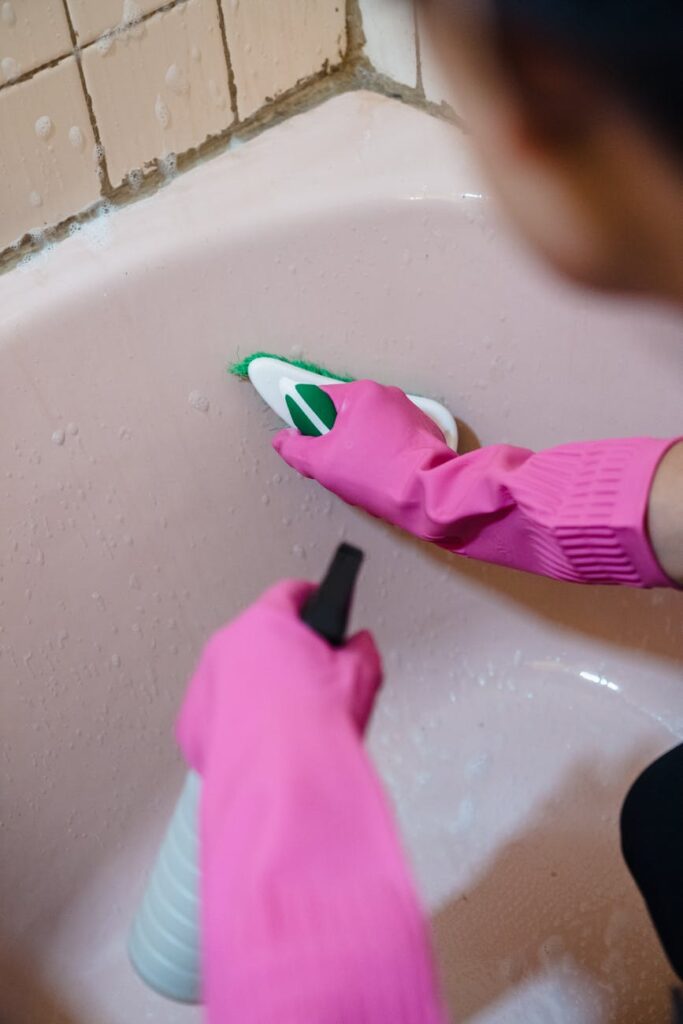
Using a scrub brush or sponge, gently scrub the affected areas. Be thorough but cautious to avoid damaging the window.
Step 6: Rinse and Dry
1. Rinse: Use a damp cloth to wipe away the cleaning solution and residue.
2. Dry: Use a microfiber cloth to dry the window thoroughly. Ensure no moisture is left behind.
Best Cleaning Methods
Different methods can be used to tackle mildew effectively:
1. Vinegar and Baking Soda
2. Hydrogen Peroxide
3. Commercial Mildew Cleaners
Common Mistakes to Avoid
1. Skipping Ventilation: Not allowing fresh air to circulate can lead to future mildew growth.
2. Using Non-Recommended Cleaners: Avoid bleach or ammonia-based cleaners, as they can damage window seals and frames.
3. Not Taking Preventive Measures: Cleaning is just one part of the solution; prevention is equally important.
4. Inconsistent Cleaning: Regular maintenance is key. Neglecting cleaning efforts leads to bigger problems down the line.
Prevention Tips
1. Improve Ventilation: Open windows when cooking or use exhaust fans to reduce humidity.
2. Use a Dehumidifier: In particularly humid climates, consider using a dehumidifier to lower moisture levels.
3. Regular Cleaning: Schedule regular cleaning sessions to keep windows free from buildup.
4. Seal Leaks: Check for and repair any leaks around windows or plumbing to prevent moisture accumulation.
5. Consider Window Treatments: Use blinds or curtains that can be easily cleaned and that do not retain moisture.
Frequently Asked Questions
1. How often should I clean my kitchen windows?
It’s best to clean your kitchen windows at least once a month to prevent mildew buildup.
2. Can I use bleach to remove mildew?
While bleach can kill mildew, it may damage window seals and frames. It’s safer to use natural alternatives like vinegar or hydrogen peroxide.
3. What if the mildew keeps coming back?
If mildew returns frequently, check for ventilation issues or hidden leaks that may be contributing to excess moisture.
4. Is mildew harmful?
While it’s generally not toxic, mildew can trigger allergies and respiratory issues in sensitive individuals. Prompt removal is advisable.
5. How can I tell if I have a mildew problem?
Look for dark spots or a musty smell around your windows, especially after cooking or washing dishes.
6. Can I prevent mildew from forming?
Yes! By improving ventilation, cleaning regularly, and managing humidity levels, you can significantly reduce the chances of mildew growth.
By following this guide, you can effectively remove and prevent mildew from your kitchen windows, keeping your space clean and healthy. Stay tuned for Part 2, where we will delve deeper into advanced cleaning techniques and maintenance strategies!