
Window Mildew Odours Guide Part 1
Introduction
Mildew on windows can be an annoying problem, especially when it comes with unpleasant odours. This guide will help you understand what causes these odours, why they occur, and how to effectively eliminate them. By following actionable steps, you can restore freshness to your home and prevent further issues.
What Causes Odours?
Mildew odours are primarily caused by the growth of mold and mildew in damp areas. These fungi thrive in environments where moisture is prevalent, like window frames and sills. The musty smell that accompanies mildew is a byproduct of the breakdown of organic materials.
Common Sources of Odours:
- Dampness: Excess moisture, whether from condensation or leaks.
- Poor Ventilation: Lack of air circulation can trap humidity.
- Organic Material: Dust, dirt, and organic debris provide food for mildew.
- White vinegar or hydrogen peroxide
- Baking soda
- Soft brush or sponge
- Bucket
- Spray bottle
- Cloths or paper towels
- Vinegar Solution: Mix equal parts white vinegar and water in a spray bottle.
- Hydrogen Peroxide Solution: Use 3% hydrogen peroxide in a spray bottle for tougher mildew.
- Spray the solution generously on the affected areas.
- Allow it to sit for at least 10-15 minutes to penetrate the mildew.
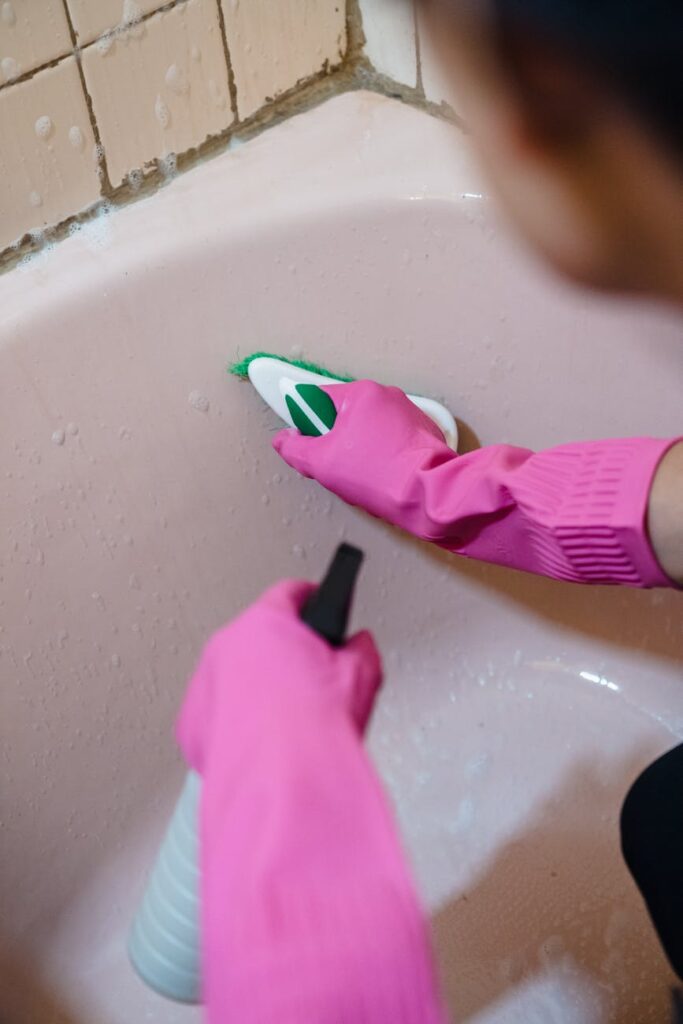
- Use a soft brush or sponge to scrub the mildew.
- Focus on corners and crevices where mildew tends to accumulate.
- Wipe the cleaned areas with a damp cloth to remove residue.
- Ensure the area is thoroughly dried to prevent future mildew growth.
- Sprinkle baking soda on the cleaned areas and let it sit for a few hours to absorb lingering odours.
- Vacuum or wipe away the baking soda afterward.
- A natural disinfectant, vinegar effectively kills mildew and neutralizes odours.
- This powerful option not only cleans but also disinfects. It’s especially useful for stubborn mildew.
- An excellent deodorizer, baking soda can be used post-cleaning to absorb any remaining smells.
- Clean your windows regularly to prevent dirt buildup.
- Use a dehumidifier or air conditioner to maintain humidity levels below 50%.
- Open windows or install exhaust fans in areas prone to moisture, such as kitchens and bathrooms.
- Consider adding storm windows or using thermal curtains to reduce condensation.
- Invest in mold-resistant paints and sealants for window frames.
Why This Problem Happens
Understanding why mildew develops is crucial for treatment and prevention.
Contributing Factors:
1. Humidity: High humidity levels can lead to condensation on windows, creating an ideal environment for mildew.
2. Temperature Fluctuations: Warmer indoor temperatures during the winter can cause condensation.
3. Poor Insulation: Insufficiently insulated windows can lead to cold spots, increasing moisture levels.
How to Fix Odours (Step-by-Step)
Here’s a straightforward method to eliminate mildew odours from your windows.
Step 1: Gather Your Supplies
Step 2: Prepare the Cleaning Solution
Step 3: Apply the Solution
Step 4: Scrub the Area
Step 5: Rinse and Dry
Step 6: Deodorise
Best Cleaning Methods
Choosing the right cleaning method can enhance your results. Here are a few effective approaches:
Vinegar and Water
Hydrogen Peroxide
Baking Soda
Common Mistakes to Avoid
Avoid these pitfalls to ensure effective cleaning:
1. Neglecting Prevention: Failing to address the root cause of moisture can lead to recurring odours.
2. Not Drying Thoroughly: Leaving windows damp can promote future mildew growth.
3. Using Harsh Chemicals: Strong chemicals may mask the smell but not eliminate the source.
4. Ignoring Ventilation: Poor airflow can exacerbate the problem. Make sure to ventilate the area properly.
Prevention Tips
Taking proactive steps can significantly reduce the chances of mildew and its odours returning.
Regular Cleaning
Control Humidity
Improve Ventilation
Insulate Windows
Use Mold-Resistant Products
Frequently Asked Questions
1. How often should I clean my windows to prevent mildew?
Aim to clean your windows every 1-3 months, particularly in humid seasons.
2. Can I use bleach to clean mildew?
While bleach can kill mildew, it may not eliminate the odour. Moreover, it can be harsh on window materials.
3. Is it safe to use vinegar on all window types?
Yes, vinegar is generally safe for most window types, including glass and vinyl. Always test a small area first.
4. How can I tell if there’s mildew behind my window frames?
Look for discolouration, a musty smell, or peeling paint around the frames.
5. Can air purifiers help with mildew odours?
Yes, air purifiers with HEPA filters can help reduce mildew spores and associated odours in the air.
6. What should I do if the odour persists after cleaning?
If the smell continues, consider checking for hidden moisture sources or consult a professional for a thorough assessment.
By addressing mildew and its accompanying odours effectively, you can ensure a fresher and healthier home environment. Follow these steps, and you’ll not only eliminate the problem but also prevent it from returning.