
Window Mildew Mould & Damp Guide Part 1
Introduction
Mould and dampness around windows can be a frustrating issue for homeowners. Not only does it affect the appearance of your home, but it can also lead to more serious problems if left untreated. This guide aims to provide practical solutions for tackling window mildew, ensuring your home remains clean and healthy.
What Causes Mould & Damp?
Mould thrives in moist environments, making windows a prime target. The main culprits behind mould and dampness include:
- Excess Moisture: High humidity levels can lead to condensation on windows.
- Poor Ventilation: Lack of airflow encourages dampness and mould growth.
- Leaky Windows: Gaps or cracks in window frames can allow moisture to seep in.
- Temperature Fluctuations: Warm air hitting cold glass can create condensation, leading to mould.
- Water Damage: Previous leaks or water damage can create persistent damp areas.
- Weather Conditions: Rain, humidity, and temperature changes can exacerbate mould growth.
- Building Design: Certain architectural designs may trap moisture around windows.
- Indoor Activities: Cooking, showering, and drying clothes indoors can increase indoor humidity levels.
- Lack of Maintenance: Neglecting window frames and seals can lead to leaks and mould.
- Rubber gloves
- Face mask
- Spray bottle
- White vinegar or baking soda
- Scrub brush or sponge
- Microfiber cloth
- Bucket of warm soapy water
- Spray the vinegar solution or apply the baking soda paste directly onto the affected areas.
- Allow it to sit for at least 10-15 minutes to penetrate the mould.
- Rinse the area with warm, soapy water to remove any remaining cleaning solution.
- Thoroughly dry the window frame with a microfiber cloth to prevent further moisture accumulation.
- Vinegar: A natural disinfectant that kills most types of mould.
- Baking Soda: Works as a mild abrasive and deodorizer, making it great for scrubbing.
- Hydrogen Peroxide: A potent mould killer that can be used if vinegar or baking soda is ineffective.
- Commercial Mould Cleaners: Available in stores, these products often contain strong chemicals designed to eliminate mould quickly.
- Ignoring the Problem: Delaying action can lead to worsening conditions and more extensive damage.
- Using Bleach: While bleach may kill surface mould, it doesn’t penetrate porous surfaces, allowing mould to return.
- Rushing the Drying Process: Always ensure areas are thoroughly dried after cleaning to prevent recurrence.
- Neglecting Ventilation: After cleaning, ensure the area is well-ventilated to reduce humidity levels.
- Improve Ventilation: Use exhaust fans in kitchens and bathrooms, and open windows regularly.
- Control Humidity: Aim to keep indoor humidity below 60% using dehumidifiers if necessary.
- Regular Cleaning: Clean window frames regularly to remove dust and moisture.
- Check for Leaks: Inspect windows and seals periodically for signs of leaks or damage.
- Use Mould-Resistant Products: Consider mould-resistant paint or sealants for window frames.
Why This Problem Happens
Understanding why mould and dampness occur can help in addressing the root causes. Here are some reasons why these problems may arise:
How to Fix Mould & Damp (Step-by-Step)
Follow these steps to effectively tackle mould and dampness around your windows:
Step 1: Gather Your Supplies
You will need:
Step 2: Safety First
Before you start cleaning, ensure proper ventilation in the room. Open windows and doors, and wear gloves and a mask to protect yourself from mould spores.
Step 3: Initial Cleaning
1. Remove Loose Debris: Wipe down the window frame with a dry cloth to remove any dust or loose debris.
2. Prepare Cleaning Solution: Mix equal parts of white vinegar and water in a spray bottle, or create a paste using baking soda and water.
Step 4: Apply the Solution
Step 5: Scrub the Area
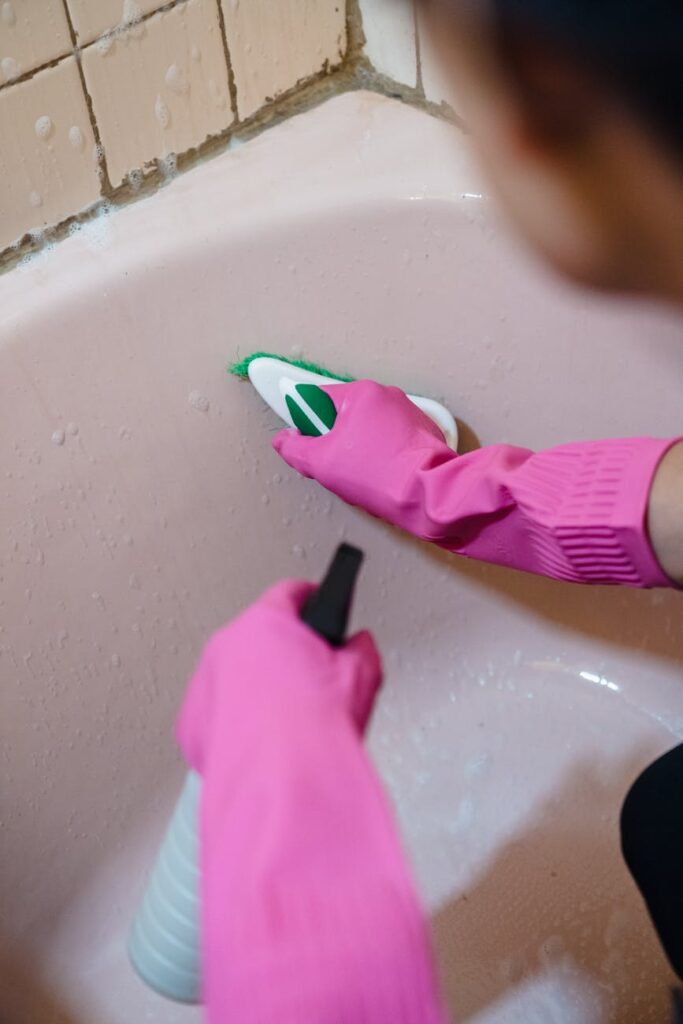
Using a scrub brush or sponge, gently scrub the mouldy areas until clean. Pay special attention to corners and seams where mould tends to accumulate.
Step 6: Rinse and Dry
Step 7: Inspect for Damage
Check for any signs of water damage or leaks. If you notice significant damage, consider consulting a professional for repairs.
Best Cleaning Methods
Here are the most effective cleaning methods for tackling window mildew:
Common Mistakes to Avoid
When dealing with mould and dampness, avoid these common pitfalls:
Prevention Tips
To keep mould and dampness at bay, consider these preventive measures:
Frequently Asked Questions
1. How can I tell if I have mould behind my window frames?
Look for signs of water stains, peeling paint, or a musty smell. If you notice these, consider removing the frame to inspect further.
2. Is vinegar safe to use around pets and children?
Yes, vinegar is a natural cleaning agent and is generally safe around pets and children. However, ensure good ventilation during use.
3. How often should I clean my windows to prevent mould?
Cleaning windows at least every three months can help prevent mould growth, especially in humid areas.
4. Can I use essential oils to prevent mould?
Certain essential oils, like tea tree oil, have antifungal properties. Mixing them with water can create a natural mould prevention spray.
5. How do I know if my windows need sealing?
Check for drafts, visible gaps, or condensation between double-glazed panes. If you notice any of these issues, resealing may be necessary.
6. Can I paint over mould?
No, painting over mould will only cover the problem. The mould must be removed first to prevent it from reappearing.
By following this guide, you can effectively manage and prevent window mildew, ensuring a cleaner, healthier home environment. Stay tuned for Part 2, where we will delve deeper into advanced prevention and treatment techniques!