
Window Mildew Kitchen Guide Part 1
Introduction
Kitchen windows are often exposed to moisture and humidity from cooking and washing dishes, making them a prime location for mildew growth. This not only affects the appearance of your kitchen but can also lead to more significant problems if left unchecked. This guide will provide practical solutions for identifying, cleaning, and preventing mildew on your kitchen windows.
What Causes Kitchen Mildew?
Mildew thrives in damp, warm environments. In the kitchen, several factors contribute to the growth of mildew on windows:
- Humidity: Cooking generates steam, which increases humidity levels.
- Poor Ventilation: Inadequate airflow can trap moisture around windows.
- Condensation: Cold glass surfaces can lead to condensation, providing moisture for mildew.
- Leaks: Water leaks from pipes or roofs can create a moist environment.
- Cooking: Boiling water or frying foods produces steam.
- Cleaning: Spills and splashes can lead to water pooling around windows.
- Insufficient Airflow: Closed windows and doors limit ventilation, especially during and after cooking.
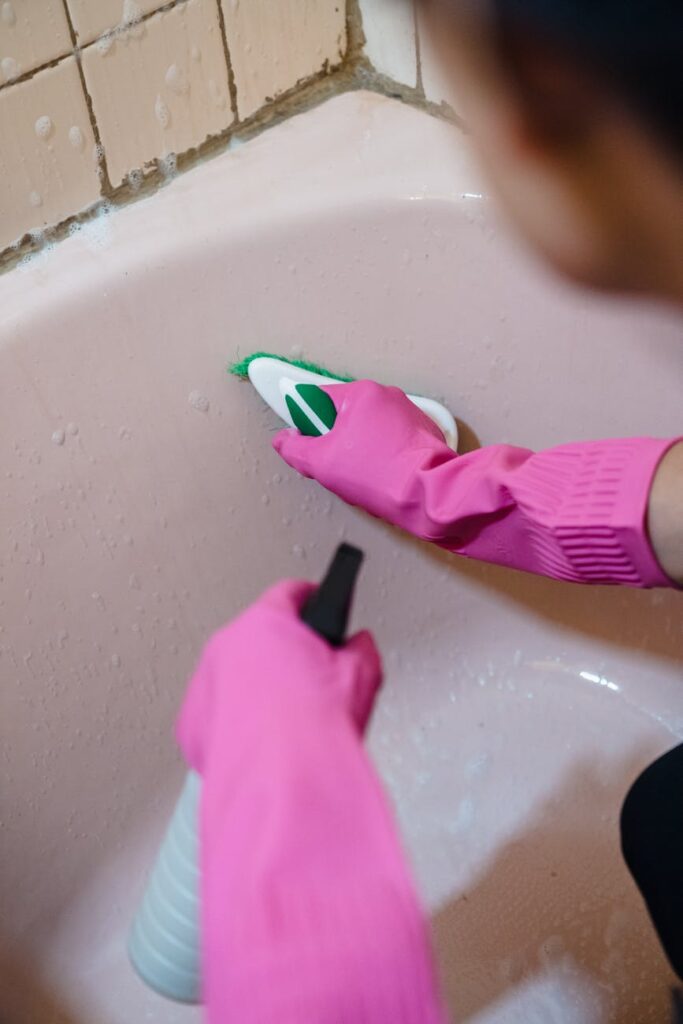
- Rubber gloves
- Mask
- Bucket
- Soft cloths or sponges
- Spray bottle
- Cleaning solution (options include vinegar, baking soda, or commercial mildew cleaner)
- Advantages: Non-toxic and effective against mildew.
- Usage: Mix equal parts water and vinegar in a spray bottle and apply directly to the affected area.
- Advantages: Gentle abrasive that helps scrub away mildew.
- Usage: Mix baking soda with water to form a paste and apply it to mildew spots.
- Advantages: Specifically designed for mildew, often more potent.
- Usage: Follow the manufacturer’s instructions for application.
Understanding these causes is the first step toward effective cleaning and prevention.
Why This Problem Happens
Mildew forms when moisture accumulates in areas that lack proper air circulation. In kitchens, this is often due to:
Awareness of these contributing factors can help you address the problem before it escalates.
How to Fix Kitchen Mildew (Step-by-Step)
Removing mildew from your kitchen windows is straightforward. Follow these steps for effective cleaning:
Step 1: Gather Your Supplies
Step 2: Prepare the Area
1. Clear the Window Sill: Remove any items from the window sill to provide easy access.
2. Protect Surroundings: Lay down old towels or a drop cloth to catch any drips.
Step 3: Apply Cleaning Solution
1. Vinegar Solution: Mix equal parts water and white vinegar in a spray bottle.
2. Baking Soda Paste: For tougher stains, make a paste using baking soda and water.
Step 4: Clean the Mildew
1. Spray or Apply the Solution: Generously apply the cleaning solution to the affected areas.
2. Let it Sit: Allow the solution to sit for 5–10 minutes to penetrate the mildew.
3. Scrub Gently: Use a soft cloth or sponge to scrub away the mildew. For tough spots, use a soft-bristle brush.
Step 5: Rinse and Dry
1. Rinse: Wipe the area with a clean, damp cloth to remove any residue.
2. Dry Thoroughly: Use a dry cloth to ensure the surface is completely dry, reducing the chance of mildew returning.
Step 6: Dispose of Cleaning Materials
Properly dispose of any sponges or cloths used for cleaning to prevent reintroducing mildew to the area.
Best Cleaning Methods
While there are various methods to tackle mildew, here are some of the most effective:
Vinegar and Water
Baking Soda Paste
Commercial Mildew Removers
Common Mistakes to Avoid
1. Using Harsh Chemicals: Strong chemicals can damage window frames and are often unnecessary.
2. Not Allowing Solutions to Sit: Failing to let cleaning solutions work can result in ineffective cleaning.
3. Neglecting to Dry: Leaving windows damp can lead to a quick return of mildew.
4. Ignoring Ventilation: Not improving airflow can cause mildew to recur even after cleaning.
Prevention Tips
To avoid mildew growth on your kitchen windows, consider these prevention strategies:
1. Improve Ventilation: Open windows or use exhaust fans while cooking.
2. Wipe Down Windows: Regularly dry your windows after cooking or washing dishes to remove moisture.
3. Use Dehumidifiers: In particularly humid areas, a dehumidifier can help reduce moisture levels.
4. Seal Leaks: Regularly check for leaks around windows and repair them promptly.
5. Regular Cleaning: Establish a cleaning routine for windows to prevent mildew buildup.
Frequently Asked Questions
1. How often should I clean my kitchen windows?
Aim to clean your kitchen windows at least once a month to prevent mildew and maintain cleanliness.
2. Can I use bleach to clean mildew?
While bleach is effective, it can damage some surfaces and isn’t always necessary. Consider using vinegar or baking soda first.
3. What if the mildew keeps coming back?
If mildew returns frequently, check for underlying issues like leaks or inadequate ventilation.
4. Are there natural alternatives to commercial cleaners?
Yes, vinegar and baking soda are effective natural alternatives that can tackle mildew without harsh chemicals.
5. How can I tell if I have a leak?
Look for water stains on walls, ceilings, or window frames. Dripping noises or mold growth are also indicators.
6. Is mildew harmful?
While mildew is not typically harmful, it can cause allergic reactions and contribute to poor indoor air quality. It’s best to keep it at bay.
By following these practical steps and tips, you can effectively manage and prevent mildew on your kitchen windows, ensuring a cleaner and healthier cooking environment.