
Window Mildew Bathroom Guide Part 1
Introduction
Mildew in the bathroom, particularly around windows, is a common and frustrating issue for many homeowners. Not only does it look unsightly, but it can also lead to unpleasant odors and potentially damage your home. This guide will provide you with practical solutions to combat window mildew effectively.
What Causes Bathroom Mildew?
Mildew thrives in damp, humid environments. In bathrooms, several factors contribute to the growth of mildew on windows:
1. High Humidity Levels: Showers, baths, and even sinks release moisture into the air.
2. Poor Ventilation: Without proper airflow, humidity lingers, creating a perfect breeding ground for mildew.
3. Temperature Fluctuations: Warm air from showers can condense on cooler window surfaces.
4. Organic Materials: Dust and soap scum can provide nutrients for mildew.
Understanding these causes is the first step in effectively tackling the problem.
Why This Problem Happens
Mildew thrives under specific conditions. When you take a hot shower, steam fills the bathroom, raising humidity levels. If the room lacks adequate ventilation, that moisture settles on surfaces, particularly windows. Over time, this leads to the formation of mildew.
Poorly sealed windows or frames can also trap moisture. If your bathroom window isn’t properly caulked, rainwater can seep in, accelerating mildew growth.
How to Fix Bathroom Mildew (Step-by-Step)
1. Gather Your Supplies: You’ll need:
- A scrub brush or sponge
- A spray bottle
- White vinegar or a mildew cleaner
- Baking soda (optional)
- Rubber gloves
- A mask (to avoid inhaling spores)
- Close the bathroom door to contain spores.
- Open the window if possible for ventilation.
- Spray the affected areas with white vinegar or mildew cleaner. Let it sit for about 10-15 minutes to penetrate the mildew.
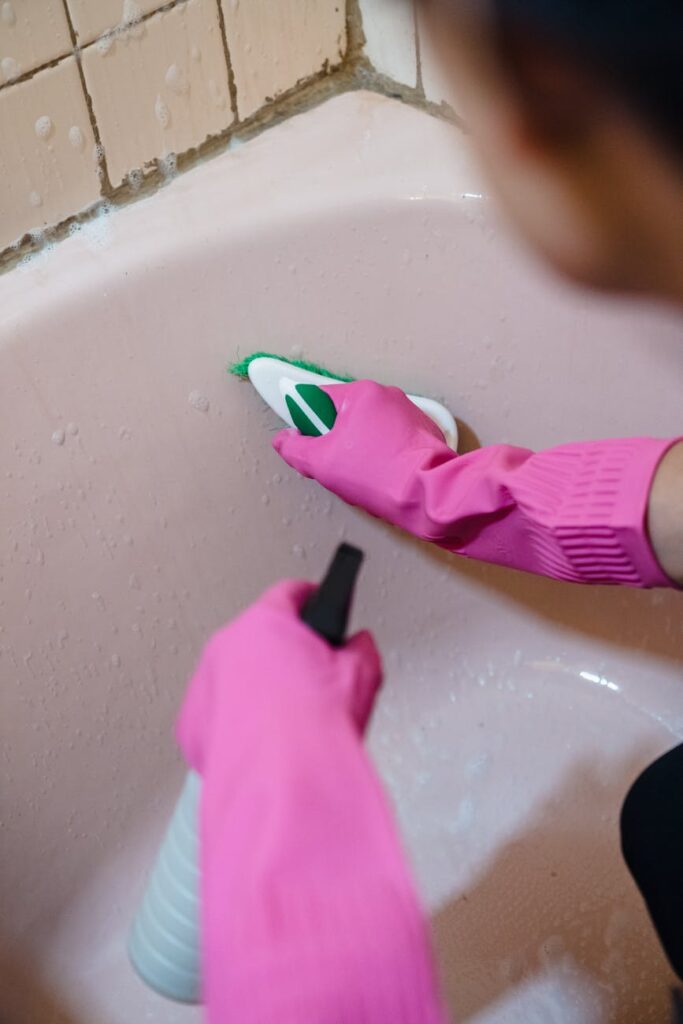
- Use a scrub brush or sponge to scrub away the mildew. Focus on window frames and sills where mildew tends to accumulate.
- Wipe the area with a damp cloth to remove cleaner residue.
- Dry the surface thoroughly to minimize moisture.
- Dispose of any sponges or cloths used to clean up mildew to prevent spores from spreading.
- Inspect window seals and frames for damage. If you find any, consider re-caulking or replacing parts as necessary.
- Vinegar Solution: A natural, non-toxic solution. Spray undiluted white vinegar directly onto the mildew and scrub.
- Baking Soda Paste: Mix baking soda with water to form a paste. Apply to affected areas and scrub. This method is good for tough stains.
- Commercial Cleaners: For stubborn mildew, consider a commercial mildew cleaner. Follow the manufacturer’s instructions for best results.
- Hydrogen Peroxide: Another effective solution is using 3% hydrogen peroxide. Spray it on, let it sit, and then scrub.
2. Prepare the Area:
3. Apply Cleaner:
4. Scrub the Area:
5. Rinse and Dry:
6. Dispose of Contaminated Materials:
7. Check for Damage:
Best Cleaning Methods
Different methods can be used to clean window mildew effectively:
Common Mistakes to Avoid
1. Ignoring the Problem: Mildew can spread quickly. Don’t delay addressing it.
2. Using the Wrong Cleaner: Avoid bleach, as it can discolor surfaces and may not effectively kill mildew spores.
3. Not Drying Surfaces: Failing to dry windows after cleaning can lead to rapid regrowth.
4. Skipping Ventilation: Always ensure proper ventilation during cleaning to prevent inhaling spores.
5. Neglecting Prevention: Cleaning alone isn’t enough. Regular maintenance and prevention are crucial.
Prevention Tips
1. Improve Ventilation: Install an exhaust fan or open windows during and after showers to reduce humidity.
2. Use a Dehumidifier: Consider using a dehumidifier in particularly humid climates.
3. Seal Windows Properly: Ensure that all seals are intact to prevent moisture from seeping in.
4. Regular Cleaning: Make a habit of cleaning windows and sills weekly to prevent mildew build-up.
5. Use Mildew-Resistant Products: Consider using mildew-proof paint or caulk in your bathroom renovation.
6. Moisture Absorbers: Use silica gel packets or moisture absorbers in the bathroom to keep humidity levels down.
Frequently Asked Questions
1. How often should I clean mildew from my bathroom windows?
It’s advisable to check and clean your bathroom windows weekly, especially in high humidity months.
2. Can I use bleach to clean mildew?
While bleach can kill mildew, it is not recommended for cleaning windows as it can damage surfaces and is less effective at killing spores.
3. What’s the best way to prevent mildew growth?
Improving ventilation and regularly cleaning surfaces are the best strategies to prevent mildew.
4. Is mildew harmful to my health?
While not as harmful as mold, mildew can cause allergic reactions and should be removed promptly.
5. Can I use natural cleaners instead of commercial products?
Yes, natural cleaners like vinegar and baking soda are effective and safer alternatives to commercial products.
6. How can I determine if I have a mildew problem?
If you notice dark spots or an unpleasant odor around your windows, you likely have a mildew issue that needs addressing.
Taking proactive steps to clean and prevent mildew will help maintain a fresh and healthy bathroom environment. By following this guide, you can address window mildew effectively and keep your space looking its best.