
Window Condensation Mold Stains Guide Part 1
Introduction
Window condensation mold stains can be a persistent issue for homeowners, often leading to unsightly marks on windows and surrounding areas. This guide aims to delve into the causes of these stains, effective cleaning methods, preventive measures, and common mistakes to avoid. By following this guide, you can tackle the problem head-on and maintain a cleaner, healthier home environment.
What Causes Stains?
The stains associated with window condensation mold are primarily caused by moisture accumulation. When warm air in your home comes into contact with cold window surfaces, condensation forms. This moisture provides an ideal breeding ground for mold and mildew, which can lead to unsightly stains.
Key Factors Contributing to Stains:
- Humidity Levels: High indoor humidity can lead to more frequent condensation.
- Temperature Differences: Significant temperature differences between indoor and outdoor environments increase condensation.
- Poor Ventilation: Lack of airflow can trap moisture indoors.
- Existing Mold: If mold spores are already present, they can quickly proliferate with moisture.
- Weather Conditions: Cold, damp weather can exacerbate condensation issues.
- Home Insulation: Poorly insulated windows can lead to drastic temperature differences and increased condensation.
- Household Activities: Cooking, showering, and even breathing releases moisture into the air, contributing to humidity levels.
- Building Materials: Certain materials can retain moisture, leading to mold growth.
- Rubber gloves
- Mask (to avoid inhaling mold spores)
- Bucket
- Warm water
- Mild detergent
- Vinegar or baking soda
- Sponge or soft cloth
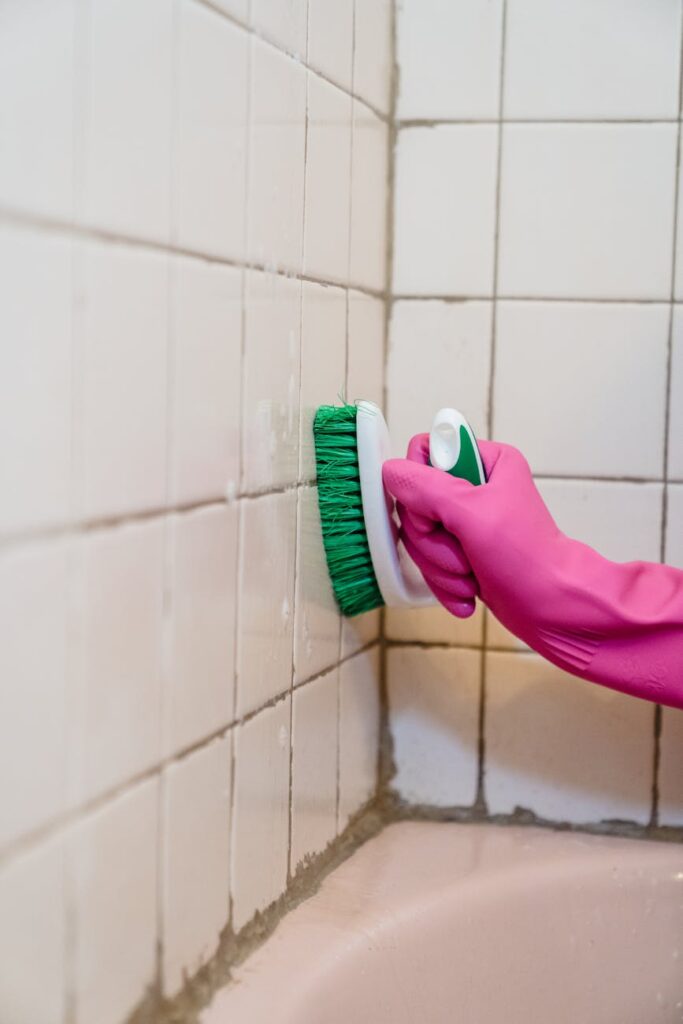
- Scrub brush (for tough stains)
- Paper towels
- Move any furniture or items away from the windows to give yourself enough space to work.
- Lay down old towels or a drop cloth to catch any drips or spills.
- Combine warm water with a few drops of mild detergent in a bucket.
- For tougher stains, mix equal parts of vinegar and water or create a paste using baking soda and water.
- Soak your sponge or cloth in the cleaning solution and wring it out.
- Start at the top of the window and work your way down, applying the solution generously to the stained areas.
- Use a scrub brush for stubborn stains, applying gentle pressure to avoid scratching the glass.
- For mold growth, allow the cleaning solution to sit for 10-15 minutes before scrubbing.
- Rinse the window with clean water to remove any detergent residue.
- Dry the window thoroughly with paper towels or a microfiber cloth to prevent new condensation.
- What to Use: Equal parts vinegar and water.
- How It Works: Vinegar is a natural mold killer and can effectively dissolve stains.
- What to Use: Baking soda mixed with a small amount of water to form a paste.
- How It Works: The abrasive texture helps remove tough stains without scratching.
- What to Use: Mold-specific cleaning products.
- How It Works: These products are formulated to target mold and mildew specifically.
- Addressing small stains early can prevent larger issues later on.
- Strong chemicals can damage window seals and lead to more problems.
- Failing to ventilate your home can worsen condensation issues.
- Leaving windows wet can promote further mold growth.
- Use a dehumidifier during high humidity seasons.
- Aim for indoor humidity levels between 30-50%.
- Open windows when weather permits to allow fresh air circulation.
- Use exhaust fans in kitchens and bathrooms.
- Consider double-glazing or applying window films to reduce temperature differences.
- Clean your windows regularly to remove any early signs of mold and prevent buildup.
Why This Problem Happens
Understanding why window condensation occurs is crucial for addressing the issue effectively.
How to Fix Stains (Step-by-Step)
Removing window condensation mold stains requires a systematic approach. Follow these steps to effectively clean your windows:
Step 1: Gather Your Supplies
Step 2: Prepare the Area
Step 3: Mix Your Cleaning Solution
Step 4: Apply the Solution
Step 5: Scrub the Stains
Step 6: Rinse and Dry
Best Cleaning Methods
Different methods can be effective depending on the severity of the stains. Here are some of the best cleaning techniques:
1. Vinegar Solution
2. Baking Soda Paste
3. Commercial Mold Removers
Common Mistakes to Avoid
When dealing with window condensation mold stains, avoid the following common pitfalls:
1. Ignoring Early Signs
2. Using Harsh Chemicals
3. Not Ventilating Properly
4. Skipping the Drying Step
Prevention Tips
Preventing window condensation mold stains is easier than dealing with them after they occur. Here are some practical tips:
1. Control Humidity Levels
2. Improve Ventilation
3. Insulate Windows
4. Regular Cleaning
Frequently Asked Questions
1. How can I tell if the stains are mold?
Look for dark, fuzzy spots along the window edges. If they have a musty smell, it’s likely mold.
2. Can I use bleach to clean mold stains?
While bleach can kill mold, it may not be the best choice for windows as it can damage seals and create harmful fumes. Opt for vinegar or baking soda instead.
3. How can I prevent condensation on windows?
Increase ventilation, use dehumidifiers, and ensure proper insulation to minimize condensation.
4. How often should I clean my windows to prevent mold?
Aim for a thorough cleaning every 1-3 months, depending on humidity levels in your area.
5. Can I remove stains from window frames the same way?
Yes, you can use similar methods, but be cautious with wood frames to avoid damage.
6. Is it safe to clean mold stains while pregnant?
If you are pregnant, it’s best to avoid direct exposure to mold and consider wearing a mask or asking for help.
By following this guide, you’ll be well-equipped to handle window condensation mold stains effectively, ensuring your home remains clean and inviting. Stay tuned for Part 2, where we’ll explore deeper cleaning techniques and long-term solutions.