
Window Condensation Mold Odours Guide Part 1
Introduction
Window condensation mold can create unpleasant odours that permeate your home. These smells not only affect your living environment but can also indicate underlying moisture issues. This guide will help you understand what causes these odours, how to fix them, and prevent future occurrences.
What Causes Odours?
The odours associated with window condensation mold primarily stem from the growth of mold and mildew. When moisture accumulates on your windows, it creates an ideal environment for these fungi to thrive. As they grow, they release volatile organic compounds (VOCs), which produce musty smells.
Additionally, dust, dirt, and organic materials can accumulate along with the moisture, further contributing to the unpleasant odours. Understanding the source of these smells is the first step toward effective remediation.
Why This Problem Happens
Condensation occurs when warm, moist air meets the cooler surface of your windows. Factors contributing to this issue include:
1. High Humidity Levels: Living in a humid climate or excessive indoor moisture from cooking, showering, or drying clothes can lead to condensation.
2. Poor Ventilation: Inadequate airflow can trap moisture in your home, especially around windows.
3. Temperature Fluctuations: Extreme temperature changes can exacerbate condensation issues, leading to increased mold growth.
4. Old or Ineffective Windows: Older windows may not provide adequate insulation, increasing the likelihood of condensation and mold.
Understanding these factors helps in addressing both the symptoms and the root causes of the odours.
How to Fix Odours (Step-by-Step)
Step 1: Identify the Source
Inspect your windows for visible signs of mold or mildew. Look closely at the window frames, sills, and surrounding areas.
Step 2: Gather Cleaning Supplies
You’ll need:
- White vinegar
- Baking soda
- Spray bottle
- Soft cloths
- A scrub brush
- Protective gloves
Step 3: Prepare a Cleaning Solution
Mix equal parts of white vinegar and water in a spray bottle. Vinegar is an effective mold killer and deodorizer.
Step 4: Apply the Solution
Spray the affected areas generously with the vinegar solution. Allow it to sit for 10-15 minutes to penetrate the mold and mildew.
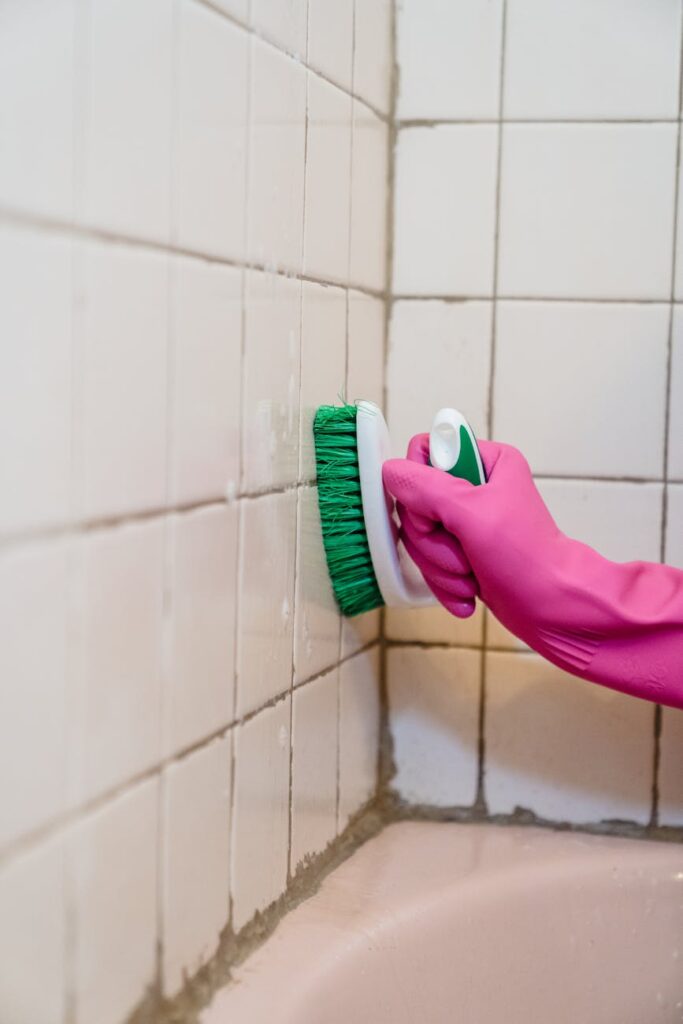
Step 5: Scrub the Area
Using a soft cloth or scrub brush, scrub the moldy areas thoroughly. For stubborn spots, sprinkle baking soda directly on the mold before scrubbing. This will help lift the stains and neutralize odours.
Step 6: Rinse and Dry
Wipe down the cleaned areas with a damp cloth to remove any residue. Then, dry the surfaces thoroughly to prevent future condensation.
Step 7: Ventilate the Area
Open windows and doors to improve airflow in the room. This will help dry out any remaining moisture and reduce humidity levels.
Best Cleaning Methods
Vinegar and Water
As mentioned, a vinegar and water solution is highly effective for mold removal and odour neutralization.
Baking Soda
Baking soda can absorb moisture and odours. After cleaning, placing an open box of baking soda near the windows can help maintain a fresh-smelling environment.
Commercial Mold Cleaners
If the problem persists, consider using commercial mold removers specifically designed for home use. Always follow the manufacturer’s instructions and use caution.
Common Mistakes to Avoid
1. Ignoring the Underlying Issue: Simply cleaning the mold without addressing the humidity and ventilation problems will lead to a recurrence.
2. Using Bleach: While bleach can kill mold, it doesn’t remove it effectively and can produce toxic fumes. Opt for safer alternatives like vinegar.
3. Not Protecting Yourself: Always wear gloves and a mask when cleaning mold to protect your skin and respiratory system.
4. Neglecting Regular Maintenance: Failing to regularly check and clean your windows can lead to chronic problems.
Prevention Tips
1. Improve Ventilation: Use exhaust fans in kitchens and bathrooms to reduce humidity. Open windows when weather permits.
2. Use Dehumidifiers: Invest in a dehumidifier to maintain optimal humidity levels, especially in damp areas of your home.
3. Seal Windows: Ensure your windows are properly sealed to minimize drafts and moisture penetration.
4. Regular Cleaning: Schedule regular cleaning of your windows and surrounding areas to prevent mold growth.
5. Monitor Humidity Levels: Use a hygrometer to keep track of indoor humidity. Aim for levels between 30-50%.
Frequently Asked Questions
1. How can I tell if I have mold on my windows?
Look for visible signs of dark spots or a fuzzy texture on the window frames and sills. A musty smell can also indicate mold.
2. Can I use vinegar on all types of windows?
Yes, vinegar is safe for most window types, including glass and vinyl. Avoid using it on tinted or treated windows without checking manufacturer guidelines.
3. Is it safe to use bleach for mold removal?
While bleach can kill mold, it is not recommended for household use due to its harmful fumes and the fact that it does not remove the mold entirely.
4. How often should I clean my windows to prevent mold?
Ideally, clean your windows every few months, but pay special attention during humid seasons or after heavy rain.
5. What humidity level should I maintain at home?
Aim for a humidity level between 30-50% to prevent condensation and mold growth.
6. Can I prevent window condensation altogether?
While it may be impossible to eliminate condensation entirely, improving ventilation, using dehumidifiers, and ensuring proper insulation can significantly reduce it.
By following these steps and tips, you can effectively tackle window condensation mold odours and create a healthier, fresher living environment. Stay proactive in your cleaning efforts to prevent future issues and maintain a comfortable home.