
Window Condensation Mold Kitchen Guide Part 1
Introduction
Kitchen windows are often prime spots for condensation and mold growth. This issue not only affects the appearance of your kitchen but can also lead to more significant problems like structural damage and health concerns. In this guide, we’ll explore the causes of kitchen window condensation mold, why it happens, and provide actionable steps to fix and prevent it.
What Causes Kitchen Window Condensation Mold?
Understanding the causes of condensation and mold growth on kitchen windows is essential for effective treatment. The primary factors include:
1. High Humidity Levels: Cooking, boiling water, and even washing dishes can elevate humidity levels.
2. Poor Ventilation: Lack of airflow can trap moisture in the kitchen, leading to condensation.
3. Temperature Differences: Warm, moist air inside the kitchen meets cooler window surfaces, causing condensation to form.
4. Inadequate Insulation: Poorly insulated windows can exacerbate temperature differences, leading to more condensation.
Why This Problem Happens
When warm air inside the kitchen cools upon contact with the cold glass of the window, it loses its ability to hold moisture, resulting in condensation. Over time, this moisture can lead to mold growth, particularly if the area remains damp.
The kitchen is often a high-traffic area where moisture is generated frequently, making it a suitable environment for mold to thrive. If left unchecked, the mold can spread, making it not just a cleaning issue but a potential health hazard.
How to Fix Kitchen Window Condensation Mold (Step-by-Step)
Removing mold from your kitchen windows requires diligence. Follow these steps for effective cleaning:
Step 1: Gather Your Supplies
- Rubber gloves
- Safety goggles
- A mask (to avoid inhaling mold spores)
- Vinegar or a commercial mold cleaner
- Water
- Spray bottle
- Soft cloths or rags
- Scrub brush or sponge
- Bucket
- Old toothbrush (for crevices)
- Baking soda (optional)
- Baking Soda Paste: Mix baking soda with water to form a paste. Apply it to the moldy areas, let it sit, and scrub.
- Hydrogen Peroxide: A solution of hydrogen peroxide can also be effective. Spray it on the affected areas and let it sit before wiping clean.
- Commercial Mold Cleaners: If the mold persists, consider using a commercial cleaner specifically designed for mold removal. Follow the manufacturer’s instructions carefully.
Step 2: Prepare the Area
1. Clear the Surroundings: Move any plants, kitchen items, or furniture away from the window to give you clear access.
2. Ensure Ventilation: Open nearby windows and turn on exhaust fans to improve airflow.
Step 3: Apply Cleaning Solution
1. Vinegar Solution: Fill a spray bottle with white vinegar. Vinegar is effective against mold and is non-toxic.
2. Spray Generously: Apply the vinegar solution to the moldy areas of the window, including the frame and sill.
Step 4: Scrub the Mold
1. Let it Sit: Allow the vinegar to sit for about 15-20 minutes to penetrate the mold.
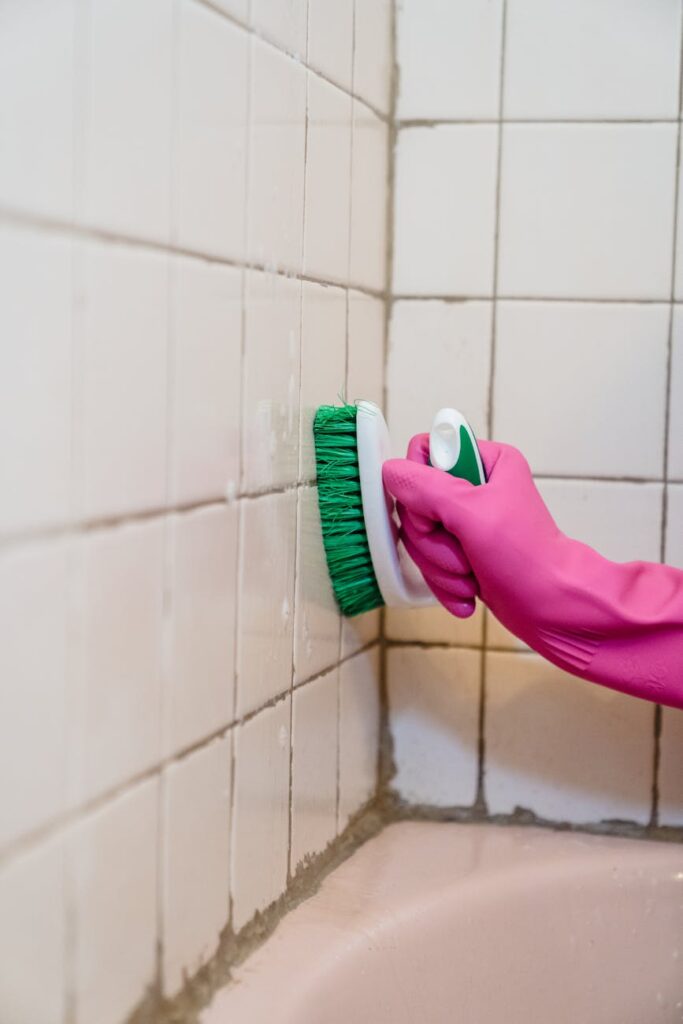
2. Scrub Away: Using a soft cloth or scrub brush, gently scrub the affected areas. For tough spots, use an old toothbrush.
Step 5: Rinse and Dry
1. Rinse: Wipe the area with a damp cloth to remove the cleaning solution and any loosened mold.
2. Dry Thoroughly: Use a dry cloth to ensure all surfaces are completely dry to prevent mold from returning.
Step 6: Dispose of Materials
Dispose of any materials that have come into contact with the mold safely, and wash your cleaning tools thoroughly.
Best Cleaning Methods
While vinegar is a great natural cleaner, several other methods are effective for tackling window condensation mold:
Common Mistakes to Avoid
1. Not Wearing Protective Gear: Always wear gloves, goggles, and a mask to protect against mold spores.
2. Using Hot Water: Hot water can actually promote further condensation. Use cool or lukewarm water for rinsing.
3. Ignoring Ventilation: Failing to ventilate the area while cleaning can cause spores to spread.
4. Not Addressing the Source: Cleaning mold without fixing the underlying humidity issue will lead to recurring problems.
Prevention Tips
1. Improve Ventilation: Use exhaust fans while cooking and open windows when possible to allow moisture to escape.
2. Use a Dehumidifier: If humidity levels are consistently high, consider investing in a dehumidifier for your kitchen.
3. Seal Windows: Ensure your windows are well-insulated. Check for drafts and seal any gaps.
4. Wipe Windows Regularly: Make it a habit to wipe down windows periodically, especially during cooking.
5. Monitor Humidity Levels: Use a hygrometer to keep track of humidity levels in your kitchen. Aim for levels below 60%.
Frequently Asked Questions
1. How often should I clean my kitchen windows for mold?
Cleaning your kitchen windows at least once a month can help prevent mold growth.
2. Can I use bleach to clean mold?
While bleach can kill mold, it’s not recommended for porous surfaces like wood. It may also produce harmful fumes. Opt for vinegar or commercial mold cleaners instead.
3. What if the mold keeps returning?
If mold keeps returning, it may indicate a more serious moisture problem. Check for leaks or consider consulting a professional.
4. Is all mold harmful?
Not all mold is harmful, but it can cause allergies and other health issues. It’s best to remove any mold promptly.
5. Can I prevent condensation entirely?
While you may not eliminate condensation completely, improving ventilation and humidity control can significantly reduce it.
6. How do I know if my mold problem is serious?
If you see extensive mold growth or experience persistent health issues, consult a professional for assessment and treatment.
Addressing window condensation mold in your kitchen is crucial for maintaining a clean and healthy home. By understanding the causes and implementing effective cleaning and prevention strategies, you can keep your kitchen windows mold-free. Stay tuned for Part 2, where we’ll dive deeper into advanced cleaning techniques and ongoing maintenance.