
Window Condensation Mold Cleaning Guide Part 1
Introduction
Window condensation mold is a common issue that many homeowners face, especially in areas with high humidity. This mold not only looks unsightly but can also lead to further problems if left untreated. In this guide, we will explore the causes of window condensation mold, practical cleaning methods, and prevention tips to keep your windows clear and mold-free.
What Causes Cleaning?
Cleaning window condensation mold is essential for maintaining a healthy living environment. Mold thrives in damp and humid conditions, often appearing on window sills, frames, and the glass itself. The primary culprits that contribute to this problem include:
- Humidity: High moisture levels in the air can lead to condensation forming on windows.
- Poor Ventilation: Lack of airflow can trap moisture indoors.
- Temperature Differences: Cold windows can create a temperature differential that leads to condensation.
- Leaky Windows: Gaps or cracks in window frames can allow moisture to seep in.
- Rubber gloves
- Mask
- Bucket
- Warm water
- Dish soap
- White vinegar or a mold-specific cleaner
- Soft cloths or sponges
- Scrub brush (optional)
- Spray bottle
- Remove any items from the window sill.
- Lay down towels or plastic sheets to catch drips.
- Use a cloth or sponge to apply the soapy water to the moldy areas.
- If using vinegar, spray it directly onto the mold spots.
- Ignoring Safety Gear: Always wear gloves and a mask to protect yourself from mold spores and cleaning chemicals.
- Using Harsh Chemicals: Strong chemicals can damage window materials and may not be necessary for effective cleaning.
- Neglecting Drying: Failing to thoroughly dry the area after cleaning can lead to mold returning quickly.
- Overlooking Hidden Areas: Mold can hide in crevices and under window frames. Ensure you check and clean all areas.
- Inconsistent Cleaning: Regularly check for mold and clean as needed rather than waiting for a significant buildup.
Understanding these causes is the first step in effectively tackling the mold problem.
Why This Problem Happens
Window condensation mold occurs when warm, moist air comes into contact with cold surfaces, like windows. This temperature difference causes the moisture in the air to condense into water droplets. Over time, if this moisture is not wiped away, it creates an ideal breeding ground for mold. The presence of organic materials, such as dust and dirt, further accelerates mold growth.
In addition, external factors like weather conditions can exacerbate the issue. For instance, rainy seasons or high humidity can increase indoor moisture levels, leading to more condensation on windows.
How to Fix Cleaning (Step-by-Step)
Cleaning window condensation mold is a straightforward process. Follow these step-by-step instructions:
Step 1: Gather Your Supplies
You’ll need:
Step 2: Prepare the Area
Step 3: Ventilate the Room
Open windows and doors to ensure good airflow. This helps reduce humidity and makes cleaning easier.
Step 4: Mix Your Cleaning Solution
In a bucket, combine warm water with a few drops of dish soap. For a more potent solution, you can mix equal parts of white vinegar and water in a spray bottle.
Step 5: Apply the Cleaning Solution
Step 6: Scrub the Affected Areas
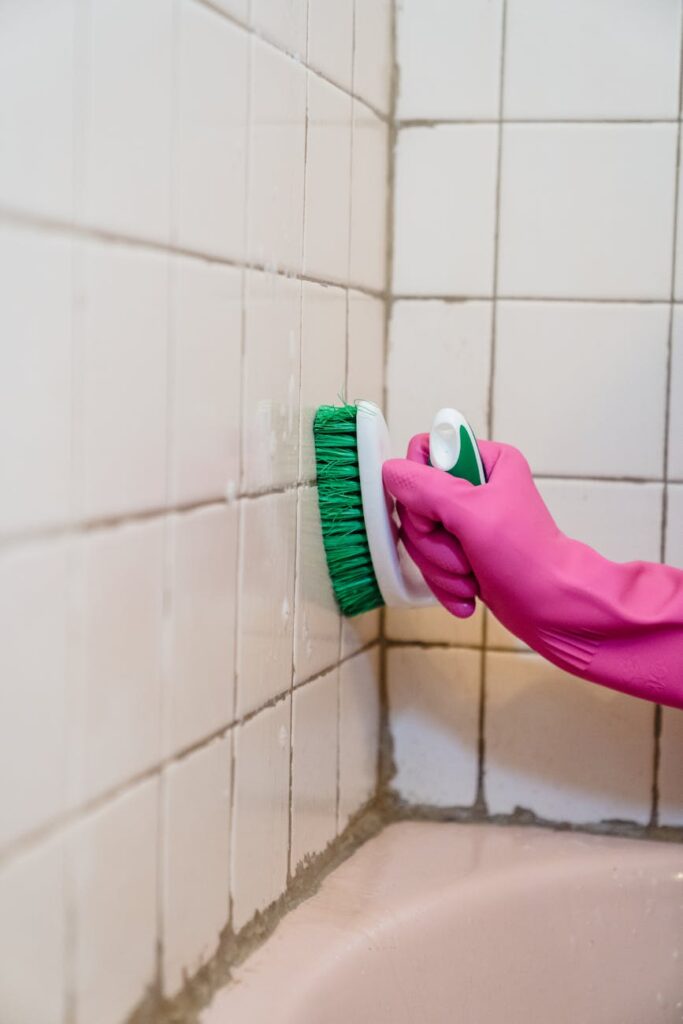
Gently scrub the moldy areas with a soft cloth. For stubborn mold, you can use a scrub brush, but be careful not to damage the window surface.
Step 7: Rinse Thoroughly
Wipe away the cleaning solution with a clean, damp cloth. Ensure no residue remains, as this can lead to further mold growth.
Step 8: Dry the Area
Use a dry cloth to wipe down the window and sill, removing any remaining moisture.
Step 9: Dispose of Cleaning Materials
Throw away any used cloths or sponges that may contain mold spores.
Best Cleaning Methods
There are several effective methods for cleaning window condensation mold:
1. Soap and Water: A simple combination of warm water and dish soap can effectively remove mild mold.
2. Vinegar Solution: Vinegar is a natural mold killer. Use it undiluted or mix with water for a more potent solution.
3. Baking Soda Paste: Mix baking soda with water to form a paste. Apply it to the mold and scrub gently.
4. Commercial Mold Cleaners: If the mold is extensive, consider using a store-bought mold cleaner. Follow the manufacturer’s instructions.
5. Hydrogen Peroxide: This is another effective mold remover. Apply it directly to the affected areas and let it sit for 10 minutes before wiping clean.
Common Mistakes to Avoid
When cleaning window condensation mold, avoid these common pitfalls:
Prevention Tips
Preventing window condensation mold is much easier than cleaning it. Here are some tips to help:
1. Control Indoor Humidity: Use dehumidifiers or air conditioners to keep humidity levels below 50%.
2. Improve Ventilation: Open windows when weather permits and use exhaust fans in kitchens and bathrooms.
3. Seal Windows Properly: Inspect and repair any gaps or cracks in window frames to prevent moisture infiltration.
4. Use Storm Windows: These can help reduce temperature differences and minimize condensation.
5. Regular Cleaning: Clean windows and sills regularly to remove dust and moisture before mold has a chance to develop.
6. Use Moisture Absorbers: Consider using silica gel or other moisture-absorbing products near windows.
Frequently Asked Questions
1. How often should I check for mold on my windows?
It’s a good idea to check at least once a month, especially during humid seasons.
2. Can I use bleach to clean mold?
While bleach can kill mold, it may not be the best choice for all surfaces. It can also produce harmful fumes and may damage window materials.
3. What if the mold keeps coming back?
If mold returns frequently, consider addressing underlying issues like humidity and ventilation.
4. Is mold on windows dangerous?
While mold can cause allergic reactions, the risk is generally low if cleaned promptly. However, prolonged exposure should be addressed.
5. Should I replace my windows if they’re frequently moldy?
Not necessarily. Often, improved ventilation and humidity control can solve the problem without needing to replace windows.
6. Can I hire a professional for mold cleaning?
Yes, if the mold problem is extensive or you are uncomfortable cleaning it yourself, hiring a professional is a good option.
By following this cleaning guide, you can effectively manage window condensation mold and create a healthier home environment. Stay tuned for Part 2, where we will delve deeper into advanced cleaning techniques and long-term solutions!