
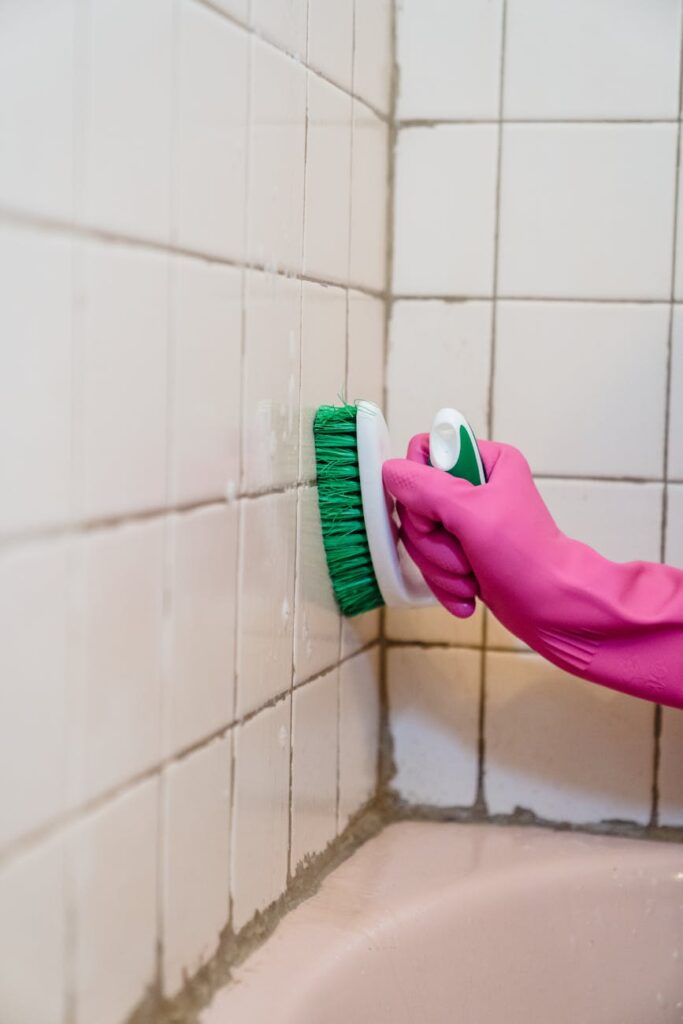
Window Condensation Mold Appliances Guide Part 1
Introduction
Window condensation mold can be a persistent issue for homeowners, especially in areas with high humidity or poor ventilation. This guide focuses on understanding how appliances contribute to this problem and provides practical solutions for cleaning and preventing mold growth.
By the end of this article, you’ll have actionable steps to tackle mold caused by window condensation and keep your home fresh and healthy.
What Causes Appliances?
Before diving into cleaning methods, it’s essential to identify how appliances can contribute to window condensation mold. Here are the main culprits:
1. Humidifiers: While they help alleviate dry air, if not maintained, they can increase indoor humidity levels, leading to condensation on windows.
2. Dryers: If a dryer is vented improperly or not vented at all, it can release warm, moist air into your home, causing condensation.
3. Dishwashers: These appliances expel steam during cycles, which may settle on windows, especially if the kitchen is poorly ventilated.
4. Refrigerators: If the door seal isn’t tight, moisture can escape, contributing to higher humidity levels in the kitchen.
Understanding the role of these appliances can help you pinpoint the source of the problem and take corrective action.
Why This Problem Happens
Window condensation occurs when warm, moist air comes into contact with cooler surfaces, like windows. Appliances can exacerbate this issue for several reasons:
- Humidity Levels: Appliances like humidifiers and dryers increase indoor humidity, making it easier for condensation to form.
- Poor Ventilation: If your space doesn’t have adequate airflow, moisture from appliances can linger, increasing the likelihood of mold growth.
- Temperature Fluctuations: Appliances that generate heat can create temperature differences that encourage condensation on cold window surfaces.
- Unplug and disassemble the humidifier.
- Clean the water tank with a vinegar solution to remove any mineral deposits.
- Rinse thoroughly before reassembling.
- Check the vent for blockages and clean it out.
- Ensure the dryer is vented outside and not into the home.
- Wipe down the door and seals with a vinegar solution to remove moisture.
- Run the dishwasher with an empty load using a dishwasher cleaner.
- Inspect the door seal for cracks or debris.
- Clean the gasket with warm soapy water to ensure a tight seal.
- Use your humidifier wisely; only run it when necessary and keep an eye on humidity levels.
- Ensure the dryer is used with proper ventilation.
- Run the dishwasher during drier parts of the day, if possible.
- Open windows periodically to allow fresh air to circulate.
- Use exhaust fans in kitchens and bathrooms to reduce moisture.
- Ignoring Humidity Levels: Failing to monitor indoor humidity can lead to recurring issues.
- Neglecting Maintenance: Skipping regular cleaning and maintenance of appliances can worsen mold problems.
- Using Harsh Chemicals: Strong chemicals can damage surfaces and may not effectively eliminate mold.
- Sealing Windows Completely: While it’s crucial to insulate, overly sealing windows can trap moisture inside.
- Maintain Appliances: Regularly inspect and clean all appliances that affect humidity.
- Ventilate: Ensure proper ventilation in kitchens and bathrooms. Install exhaust fans if needed.
- Use Dehumidifiers: In particularly humid climates, consider using a dehumidifier to reduce moisture levels.
- Seal Windows Properly: Ensure windows are well-sealed but allow some airflow to prevent moisture build-up.
In summary, the combination of moisture, heat, and inadequate ventilation leads to an ideal environment for window condensation mold.
How to Fix Appliances (Step-by-Step)
If you suspect your appliances are causing window condensation mold, follow these steps to address the problem:
Step 1: Identify the Source
1. Inspect Appliances: Check your humidifier, dryer, dishwasher, and refrigerator for any signs of improper function or maintenance.
2. Monitor Humidity Levels: Use a hygrometer to measure indoor humidity. Ideally, it should be between 30-50%.
Step 2: Clean Your Appliances
1. Humidifier:
2. Dryer:
3. Dishwasher:
4. Refrigerator:
Step 3: Adjust Usage
Step 4: Increase Ventilation
Best Cleaning Methods
Once you have identified and cleaned your appliances, it’s time to tackle any existing mold. Here are effective cleaning methods:
Vinegar Solution
1. Mix equal parts water and white vinegar.
2. Spray the solution on moldy areas around windows.
3. Allow it to sit for 30 minutes.
4. Wipe away with a clean cloth.
Baking Soda Paste
1. Combine baking soda and water to form a paste.
2. Apply the paste to moldy areas.
3. Let it sit for an hour.
4. Scrub gently with a brush and rinse with water.
Store-Bought Cleaners
If you prefer, you can use a commercial mold remover. Follow the instructions on the label for the best results.
Common Mistakes to Avoid
When dealing with window condensation mold and appliances, avoid these pitfalls:
Prevention Tips
To prevent window condensation mold from becoming a recurring issue, consider these proactive measures:
Frequently Asked Questions
1. What is the best way to remove mold from windows?
Using a vinegar solution or baking soda paste can effectively remove mold. For severe cases, consider a commercial mold remover.
2. How often should I clean my appliances to prevent mold?
Aim to clean appliances every three months. Regular checks will help catch issues early.
3. Can I use bleach to clean mold?
Bleach can be effective but is not recommended for porous surfaces. Vinegar and baking soda are safer options for home use.
4. What humidity level should I maintain to prevent condensation?
Keep indoor humidity levels between 30-50% to minimize condensation and mold growth.
5. Do I need to replace my windows if they have mold?
Not necessarily. Cleaning and proper ventilation can often resolve the issue. However, if the mold persists, consider consulting a professional.
6. How do I know if my appliances are causing condensation issues?
If you notice increased humidity levels, frequent condensation on windows, or mold growth, your appliances may need maintenance or adjustment.
By following these guidelines, you can effectively manage and prevent window condensation mold caused by appliances in your home. Stay proactive, and your living space will remain clean and healthy.