
Window Cleaning Tips: Mould & Damp Guide Part 1
Introduction
Mould and dampness around windows can be more than just an eyesore; they can lead to structural damage and a decrease in air quality. This guide will help you understand the causes of mould and damp, how to effectively tackle these issues, and offer practical tips for prevention.
What Causes Mould & Damp?
Mould thrives in moist environments, and windows are prime locations due to condensation. Here are the primary causes:
1. Condensation: This occurs when warm air meets cold surfaces, such as windows. The moisture in the air condenses, leading to dampness.
2. Poor Ventilation: Rooms with inadequate airflow trap humidity, creating a breeding ground for mould.
3. Leaking Windows: Gaps or damage in window seals can allow water to seep in.
4. Humidity Levels: High indoor humidity, often from cooking, showering, or drying clothes indoors, contributes to dampness.
Why This Problem Happens
Understanding why mould and dampness occur is crucial for effective cleaning and prevention. Here are the common factors:
- Temperature Fluctuations: Rapid changes in temperature can increase condensation.
- Insulation Issues: Poorly insulated windows can lead to cold spots, exacerbating condensation.
- Climate: In humid climates, the risk of mould growth increases.
- Neglect: Regular cleaning and maintenance are often overlooked, allowing mould to establish itself.
- Rubber gloves
- Mask
- Spray bottle
- White vinegar or a commercial mould cleaner
- Soft cloth or sponge
- Scrub brush (for stubborn mould)
- Bucket
- Warm water
- Baking soda (optional)
- Ratio: 1 part water to 1 part white vinegar.
- How to Use: Spray on affected areas, let it sit, scrub, rinse, and dry.
- Ratio: 1/2 cup baking soda with water to form a paste.
- How to Use: Apply to mould, let it sit, scrub, then rinse.
- Choose a cleaner specifically designed for mould removal. Follow the manufacturer’s instructions for best results.
- Ignoring the Source: Simply cleaning the mould without addressing the source of moisture will lead to a recurrence.
- Using Bleach: While bleach may kill mould on non-porous surfaces, it doesn’t prevent future growth and can produce harmful fumes.
- Not Ventilating: Failing to ventilate the area while cleaning can trap moisture and make the problem worse.
- Skipping Protection: Neglecting to wear gloves and a mask can expose you to mould spores.
How to Fix Mould & Damp (Step-by-Step)
Follow these steps to effectively remove mould and damp from your windows:
Step 1: Gather Your Supplies
Step 2: Prepare the Area
Clear any nearby furniture or items from the window area. This will provide you with enough room to work and prevent damage to belongings.
Step 3: Apply Cleaner
1. Fill a spray bottle with either white vinegar or a commercial mould cleaner.
2. Spray the affected areas generously, ensuring the solution saturates the mould.
Step 4: Let It Sit
Allow the cleaner to sit for at least 10-15 minutes. This will help break down the mould’s structure.
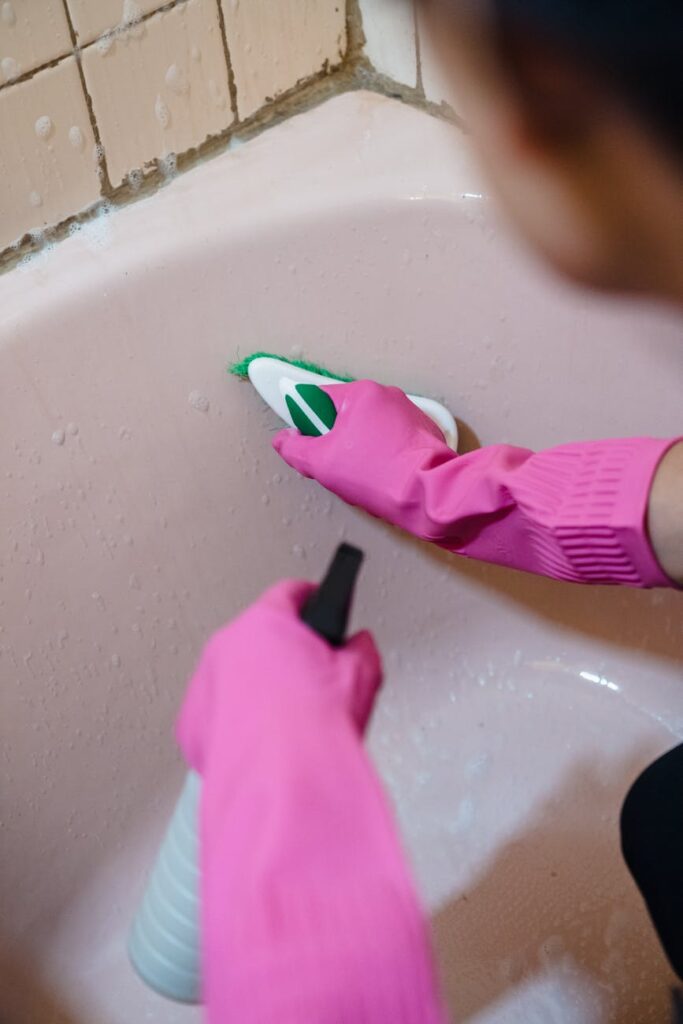
Step 5: Scrub the Mould
Using a soft cloth or sponge, scrub the mould away. For stubborn patches, use a scrub brush.
Step 6: Rinse
Use warm water to rinse the area thoroughly. Make sure all cleaning solution is removed, as residue can attract more mould.
Step 7: Dry the Area
Wipe the window with a dry cloth to remove any remaining moisture. Ensure the area is completely dry to prevent mould from returning.
Best Cleaning Methods
Here are some effective methods to combat mould and damp:
1. Vinegar Solution
2. Baking Soda Paste
3. Commercial Mould Cleaners
Common Mistakes to Avoid
Here are some pitfalls to steer clear of when dealing with mould and damp:
Prevention Tips
Preventing mould and damp is easier than dealing with it after it appears. Here are some practical tips:
1. Increase Airflow: Open windows and doors to promote ventilation, especially in high-moisture areas like kitchens and bathrooms.
2. Use Dehumidifiers: Keep indoor humidity levels below 60% to prevent mould growth.
3. Seal Windows: Regularly inspect and repair window seals to prevent leaks.
4. Regular Cleaning: Clean windows and sills regularly; don’t wait for mould to appear.
5. Insulate Windows: Consider upgrading to double-glazed or insulated windows to reduce condensation.
Frequently Asked Questions
1. How often should I clean my windows to prevent mould?
Aim to clean your windows at least once a month in damp areas and every season in drier climates.
2. Can I use vinegar on all types of windows?
Vinegar is safe for most window types, but avoid using it on tinted or coated glass.
3. What should I do if mould keeps returning?
Check for underlying issues such as leaks, poor ventilation, or high humidity levels. Addressing these is crucial.
4. Is mould harmful to health?
While this guide doesn’t cover health implications, prolonged exposure to mould can aggravate allergies and respiratory issues.
5. How can I tell if my windows are leaking?
Look for water stains, condensation between panes, or visible gaps in the window seal.
6. Can I prevent condensation on windows?
Yes, using dehumidifiers, improving ventilation, and maintaining consistent indoor temperatures can help reduce condensation.
By following this guide, you can effectively combat mould and damp issues around your windows. Stay vigilant and proactive to keep your home clean and healthy.