
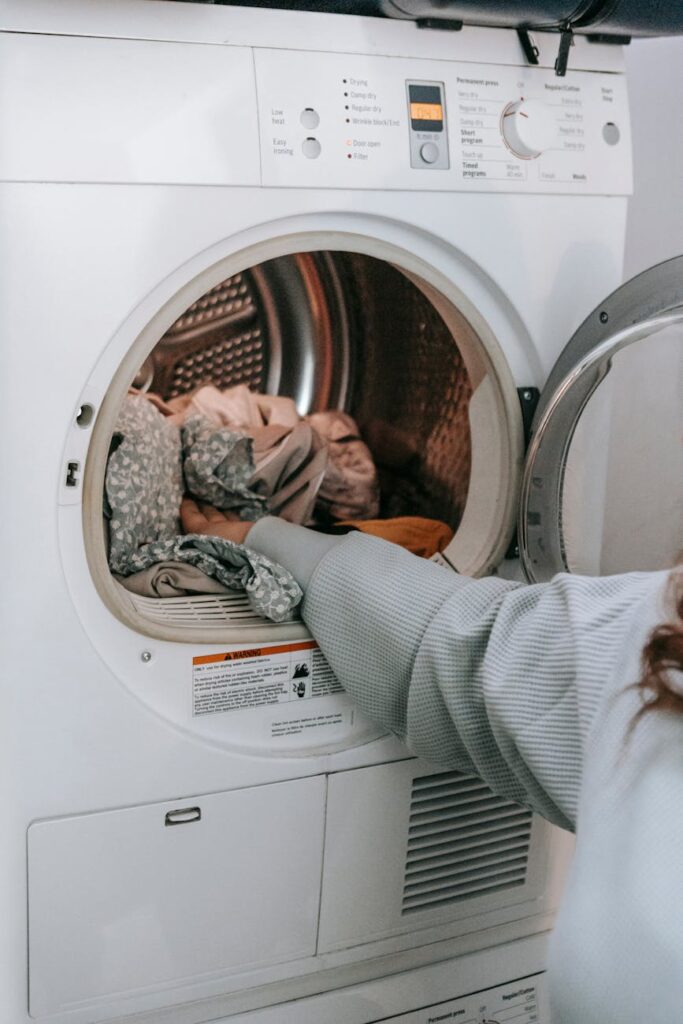
Washing Machine Mold Bathroom Guide Part 1
Introduction
Mold in your washing machine is not just an eyesore; it can also lead to unpleasant odors and potential health issues. If you’ve noticed dark spots or a musty smell in your washing machine, you’re not alone. This guide will walk you through the causes of washing machine mold, how to effectively clean it, and tips to prevent it from returning.
What Causes Bathroom Mold?
Mold thrives in damp, warm, and dark environments—making your bathroom and washing machine prime locations. Here are some specific causes:
1. Excess Moisture: Bathrooms often have high humidity levels, especially after showers. This moisture can transfer to your washing machine if it’s placed in the bathroom.
2. Poor Ventilation: Limited airflow can trap humidity and heat, providing an ideal breeding ground for mold.
3. Detergent Residue: Some detergents can leave behind residues that can encourage mold growth if not rinsed out properly.
4. Warm Temperatures: Washing machines can retain heat after a wash cycle, especially if not opened immediately, which can contribute to mold growth.
Why This Problem Happens
Understanding why mold grows in your washing machine is crucial for effective cleaning and prevention. Here are some reasons this issue arises:
- Frequent Wash Cycles: Regular use can create a cycle of moisture that isn’t completely evaporated between loads.
- Sealed Doors: Many washing machines have rubber seals that can trap moisture if the door is closed after use.
- Neglect: Failing to clean your washing machine regularly allows mold to establish itself.
- White vinegar
- Baking soda
- Spray bottle
- Soft brush or cloth
- Gloves
- Old toothbrush (for tight spaces)
- Neglecting the Rubber Seal: Many people forget to clean the rubber seal, allowing mold to thrive.
- Using Cold Water: Cold cycles may not be effective against mold. Always use hot water for cleaning.
- Closing the Door: Closing the washing machine door immediately after use traps moisture.
- Ignoring Regular Maintenance: Skipping regular cleaning can lead to bigger mold problems down the line.
How to Fix Bathroom Mold (Step-by-Step)
Cleaning mold from your washing machine requires a systematic approach. Follow these steps:
Step 1: Gather Supplies
You’ll need:
Step 2: Prepare the Washing Machine
1. Empty the Machine: Ensure there are no clothes inside.
2. Inspect Seals: Check the rubber seals around the door for visible mold.
Step 3: Clean the Rubber Seal
1. Mix a Cleaning Solution: In a spray bottle, combine equal parts of white vinegar and water.
2. Spray the Seal: Generously spray the rubber seal and let it sit for about 10 minutes.
3. Scrub: Use a soft brush or an old toothbrush to scrub the seal, focusing on any visible mold.
4. Wipe Clean: Use a damp cloth to wipe away the residue.
Step 4: Run a Cleaning Cycle
1. Add Baking Soda: Place 1 cup of baking soda directly into the drum of the washing machine.
2. Run a Hot Cycle: Set the machine to the hottest setting and run a complete cycle.
3. Add Vinegar: When the cycle is halfway through, pause the machine and add 2 cups of white vinegar. Let it finish the cycle.
Step 5: Wipe Down the Drum
After the cycle is complete, wipe down the drum with a clean cloth to remove any remaining residues.
Step 6: Leave the Door Open
After cleaning, leave the washing machine door open for a few hours to allow it to dry completely.
Best Cleaning Methods
For effective cleaning and maintenance, consider these methods:
1. Vinegar and Baking Soda: A combination of these two natural ingredients is powerful against mold and mildew.
2. Commercial Mold Cleaners: If natural methods don’t work, consider using a mold-specific cleaner. Always follow the manufacturer’s instructions.
3. Borax: Adding borax to your regular wash can help prevent mold growth.
Common Mistakes to Avoid
To ensure successful mold removal, avoid these common pitfalls:
Prevention Tips
Maintaining a mold-free washing machine is easier than you think. Follow these tips to prevent mold from returning:
1. Leave the Door Open: Always leave the door open after use to promote airflow.
2. Use the Right Detergent: Choose a detergent that doesn’t leave residue and is designed for high-efficiency machines.
3. Regular Cleaning: Schedule monthly cleanings using vinegar and baking soda.
4. Control Humidity: Use exhaust fans or dehumidifiers in your bathroom to reduce moisture levels.
5. Check for Leaks: Regularly inspect hoses and connections for leaks that can contribute to excess moisture.
Frequently Asked Questions
1. How often should I clean my washing machine?
Aim to clean your washing machine at least once a month to prevent mold and odors.
2. Can I use bleach to clean my washing machine?
While bleach can kill mold, it can also damage certain components. Use vinegar or a commercial cleaner designed for washing machines instead.
3. What should I do if the mold returns?
If mold returns, repeat the cleaning process and ensure you’re following prevention tips to control moisture levels.
4. Is it safe to wash clothes with mold in the machine?
It’s not advisable to wash clothes in a moldy machine. Always clean the machine first before laundering.
5. Can mold cause damage to my washing machine?
Yes, mold can cause damage to the rubber seals and other components if left unchecked.
6. Should I call a professional?
If mold persists despite your cleaning efforts, it may be wise to consult a professional for a thorough inspection and cleaning.
By following this comprehensive guide, you can tackle the issue of washing machine mold effectively and maintain a cleaner, healthier laundry experience. Stay vigilant and proactive, and you’ll enjoy a mold-free washing machine for years to come.