
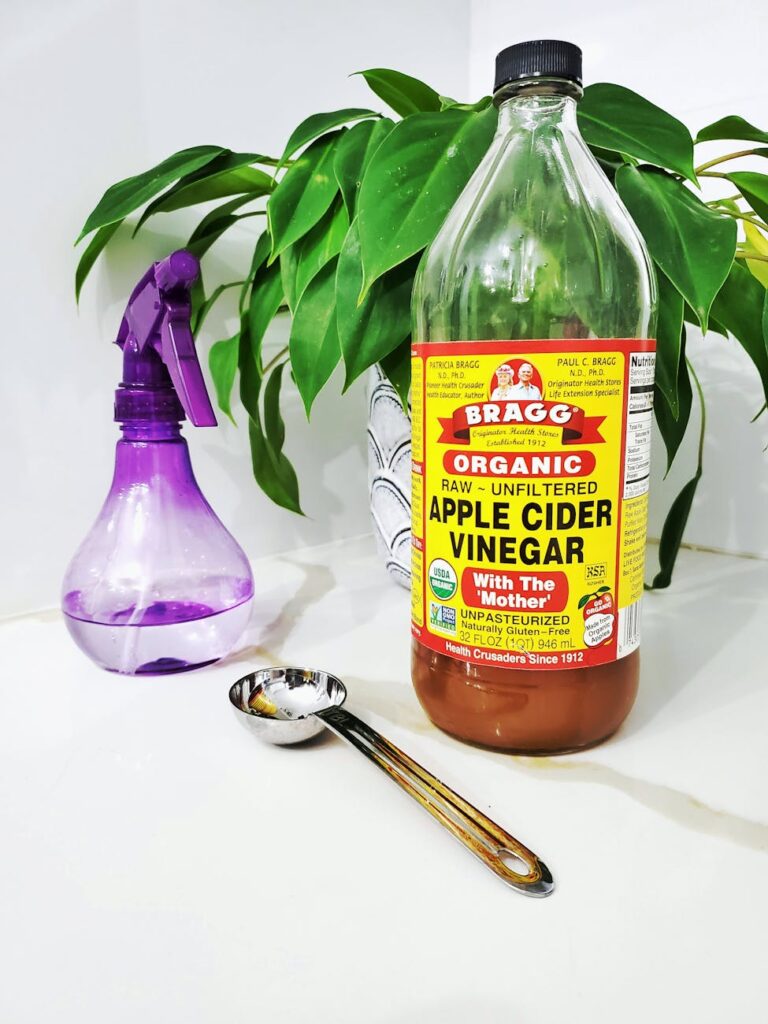
Vinegar for Mold: Mould & Damp Guide Part 1
Introduction
Mould and dampness can quickly become a homeowner’s nightmare. Not only do they affect the aesthetics of your home, but they can also lead to structural damage if not addressed promptly. This guide focuses on using vinegar as an effective cleaning agent to combat mould and damp issues in your home. Let’s dive into understanding the causes and how to tackle this common problem.
What Causes Mould & Damp?
Understanding what leads to mould and damp is essential for effective cleaning. Here are the primary causes:
- Excess Moisture: Areas that retain moisture, such as bathrooms, kitchens, and basements, are prime targets for mould.
- Poor Ventilation: Stagnant air allows humidity to build up, creating an ideal environment for mould growth.
- Water Leaks: Broken pipes or leaking roofs can introduce unwanted moisture into your home.
- Condensation: Temperature differences between surfaces can cause water to condense, especially on windows and walls.
- Humidity Levels: High indoor humidity (above 60%) can lead to mould growth.
- Temperature: Warm temperatures promote mould proliferation. Mould can grow in temperatures as low as 4°C (40°F) and as high as 40°C (104°F).
- Organic Materials: Mould feeds on organic materials like wood, drywall, and fabric. If these materials are damp, mould can quickly take hold.
- White vinegar
- Spray bottle
- Soft-bristle brush or sponge
- Gloves
- Bucket
- Cloths or paper towels
- Fan (optional)
- Baking Soda: Mix with water to create a paste that can be scrubbed on mouldy areas.
- Hydrogen Peroxide: Use a 3% solution for tougher mould stains.
- Commercial Cleaners: For severe mould infestations, consider using a commercial mould remover, but always follow the manufacturer’s instructions.
- Control Humidity: Use dehumidifiers in damp areas and aim to keep indoor humidity below 60%.
- Improve Ventilation: Open windows and doors regularly, and consider installing vents or exhaust fans in high-moisture areas.
- Fix Leaks Promptly: Address any leaks in plumbing or roofing immediately to prevent moisture accumulation.
- Use Mould-Resistant Products: When renovating, opt for mould-resistant paints and materials.
Why This Problem Happens
Mould thrives in damp conditions, and the following factors often contribute to its growth:
How to Fix Mould & Damp (Step-by-Step)
Removing mould requires a systematic approach. Follow these steps for effective cleaning:
Step 1: Gather Your Supplies
Step 2: Prepare the Area
1. Remove Items: Clear the area of furniture or items that could obstruct your cleaning.
2. Ventilate: Open windows and doors to increase air circulation. Use a fan if necessary.
Step 3: Apply Vinegar
1. Fill a Spray Bottle: Pour undiluted white vinegar into a spray bottle.
2. Spray Affected Areas: Generously apply vinegar to all mouldy surfaces. Make sure to soak the area to penetrate the mould.
3. Let It Sit: Allow the vinegar to sit for at least an hour. This gives it time to kill the mould spores.
Step 4: Scrub the Mould
1. Use a Brush or Sponge: After letting the vinegar sit, use a soft-bristle brush or sponge to scrub the area.
2. Wipe Clean: Wipe the surface with a cloth or paper towel to remove the mould and vinegar.
Step 5: Rinse (If Necessary)
For large areas, you may want to rinse the surface with clean water after scrubbing. However, vinegar usually does not require rinsing unless it’s on a porous surface.
Step 6: Dry the Area
1. Dry Thoroughly: Use cloths to absorb any remaining moisture. Ensure that the area is completely dry to prevent mould from returning.
2. Increase Airflow: Keep windows open or use a fan to speed up the drying process.
Best Cleaning Methods
While vinegar is an effective method for mould removal, there are additional approaches:
Common Mistakes to Avoid
1. Neglecting Ventilation: Failing to ventilate the area can cause moisture to linger, promoting mould regrowth.
2. Not Testing Surfaces: Before applying vinegar, test a small, hidden area to ensure it doesn’t damage the surface.
3. Ignoring the Source: Always address the root cause of moisture, such as leaks or poor ventilation, rather than just cleaning the mould.
4. Using Bleach: While bleach may kill mould on non-porous surfaces, it doesn’t stop spores from returning, unlike vinegar.
Prevention Tips
Preventing mould and damp issues is the best strategy. Here are some effective tips:
Frequently Asked Questions
1. Can vinegar kill all types of mould?
Vinegar is effective against most common household moulds, but it may not eliminate all strains. If mould persists, consider a stronger cleaner.
2. Is vinegar safe to use around children and pets?
Yes, white vinegar is non-toxic and generally safe for use around children and pets. However, ensure proper ventilation.
3. How often should I clean for mould?
Regularly inspect high-risk areas and clean them every few months, or sooner if you notice signs of mould.
4. What should I do if mould returns after cleaning?
Reassess the source of moisture and fix any leaks or ventilation issues. You may need to repeat the cleaning process if the environment remains conducive to mould growth.
5. Can I use vinegar on all surfaces?
Vinegar is safe for most non-porous surfaces. However, avoid using it on natural stone, as it can cause etching.
6. How can I tell if mould is affecting my health?
While this guide does not cover health concerns, if you experience persistent symptoms like coughing or respiratory issues, consult a healthcare professional.
By following these practical tips and steps, you can effectively tackle mould and damp issues in your home, ensuring a healthier living environment. Stay vigilant, and remember that prevention is key!