
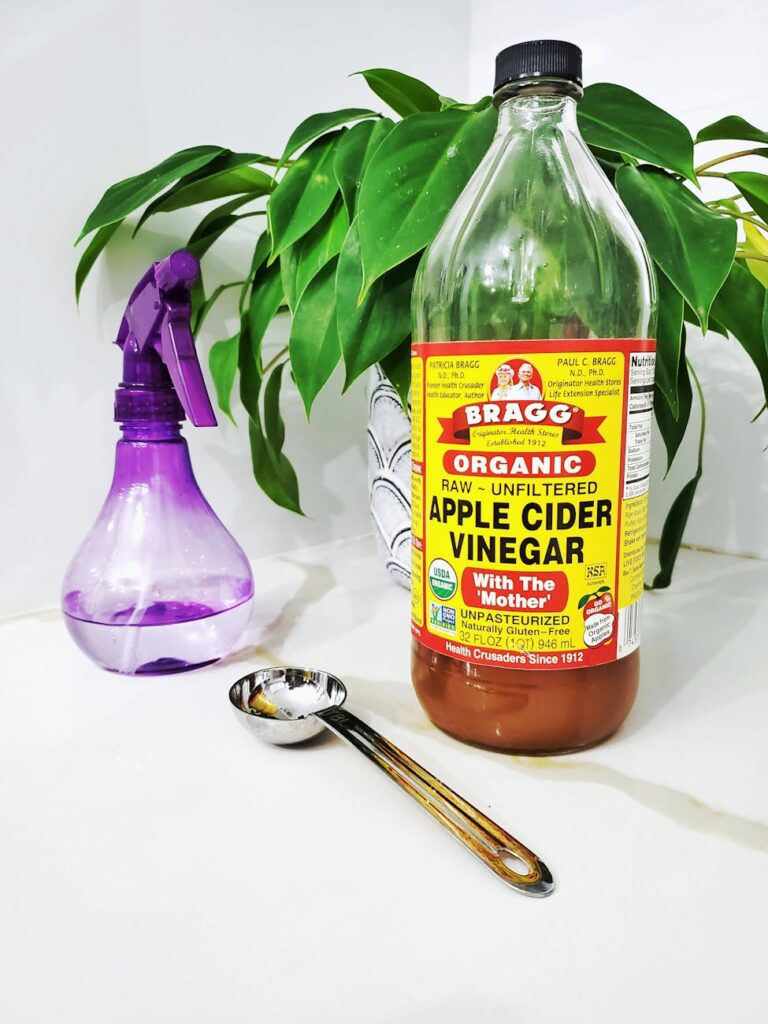
Vinegar for Mold Bathroom Guide Part 1
Introduction
Mold in the bathroom is a common issue that can affect both the appearance and hygiene of your home. It thrives in damp, warm environments, making bathrooms a prime target. Fortunately, vinegar is a powerful natural solution that can help eliminate mold effectively. This guide provides practical steps to combat mold in your bathroom using vinegar, ensuring your space remains clean and safe.
What Causes Bathroom Mold?
Mold in the bathroom is primarily caused by excessive moisture and humidity. Common culprits include:
1. Poor Ventilation: Lack of airflow allows moisture to accumulate.
2. Leaky Pipes: Dripping faucets or pipes create damp areas conducive to mold growth.
3. Shower and Bath Usage: Regular use increases humidity levels, especially without proper ventilation.
4. Dirty Surfaces: Soap scum and organic matter can serve as food for mold.
Understanding these causes is the first step in tackling the mold problem effectively.
Why This Problem Happens
Mold spores are present in the air and can settle on surfaces when conditions are right. High humidity, warm temperatures, and organic materials create an ideal environment. Bathrooms are particularly vulnerable due to:
- Steam from Showers: Hot water increases humidity levels.
- Condensation: Water droplets can form on cool surfaces.
- Infrequent Cleaning: Neglecting regular cleaning can lead to mold proliferation.
- White vinegar
- Spray bottle
- Soft brush or sponge
- Microfiber cloths
- Baking soda (optional)
- Gloves and a mask for protection
- Hydrogen Peroxide: Mix equal parts of hydrogen peroxide and water in a spray bottle for tough mold.
- Baking Soda: Use as a scrubbing agent alongside vinegar to tackle stubborn spots.
- Commercial Mold Cleaners: If natural methods fail, use a commercial mold remover, but always follow safety precautions.
By recognizing why mold develops, you can take targeted action to prevent it.
How to Fix Bathroom Mold (Step-by-Step)
Step 1: Gather Your Supplies
Before you start cleaning, gather the following:
Step 2: Prepare the Area
1. Ventilate: Open windows and doors to improve airflow.
2. Clear Surfaces: Remove items from the bathroom counters, shower, and tub.
Step 3: Apply Vinegar
1. Fill a Spray Bottle: Pour undiluted white vinegar into a spray bottle.
2. Spray Affected Areas: Focus on areas with visible mold, such as tiles, grout, and corners.
3. Let it Sit: Allow the vinegar to sit for at least 30 minutes. This gives it time to penetrate and kill the mold.
Step 4: Scrub the Mold
1. Use a Soft Brush or Sponge: After the vinegar has had time to work, scrub the affected areas.
2. Rinse with Water: After scrubbing, rinse the area with warm water.
Step 5: Use Baking Soda (Optional)
For stubborn mold, create a paste with baking soda and water. Apply it to the area, let it sit for another 10 minutes, and scrub again.
Step 6: Dry Thoroughly
Use a microfiber cloth to wipe down all surfaces, ensuring no moisture is left behind.
Step 7: Dispose of Waste Safely
Dispose of any sponges, cloths, or materials that collected mold.
Best Cleaning Methods
While vinegar is effective, consider combining it with other methods for enhanced results:
Common Mistakes to Avoid
1. Ignoring Ventilation: Forgetting to ventilate while cleaning can lead to mold returning quickly.
2. Not Allowing Vinegar to Sit: Rushing the cleaning process diminishes vinegar’s effectiveness.
3. Using Hot Water: Hot water can spread mold spores instead of containing them.
4. Not Disposing of Cleaning Tools: Reusing dirty sponges can reinfect cleaned areas.
Prevention Tips
1. Improve Ventilation: Install an exhaust fan or open windows during and after showers.
2. Wipe Surfaces Dry: After bathing, use a towel to wipe down surfaces.
3. Seal Grout and Caulk: Regularly check and seal grout lines and caulk to prevent water penetration.
4. Use a Dehumidifier: In high-humidity areas, consider using a dehumidifier.
5. Regular Cleaning: Schedule a weekly cleaning routine focusing on damp areas.
Frequently Asked Questions
1. Is vinegar safe for all bathroom surfaces?
Yes, vinegar is generally safe for most surfaces, but avoid using it on natural stone, as it can damage the finish.
2. How often should I clean my bathroom to prevent mold?
Aim to clean your bathroom at least once a week, focusing on areas prone to moisture.
3. Can I mix vinegar with bleach?
No, do not mix vinegar with bleach, as it creates toxic fumes that can be harmful to your health.
4. How can I tell if the mold is gone?
Visually inspect the area after cleaning. If you see no discoloration and there’s no musty smell, the mold is likely removed.
5. Can I use apple cider vinegar instead of white vinegar?
While apple cider vinegar has some cleaning properties, white vinegar is more effective against mold due to its higher acidity.
6. What if the mold returns after cleaning?
If mold returns, it may be a sign of a larger moisture problem. Inspect for leaks and improve ventilation in your bathroom.
By following this guide, you can tackle mold in your bathroom with vinegar effectively, ensuring a clean and healthy environment. Stay proactive in your cleaning habits to prevent future mold issues and enjoy a fresh bathroom space.