
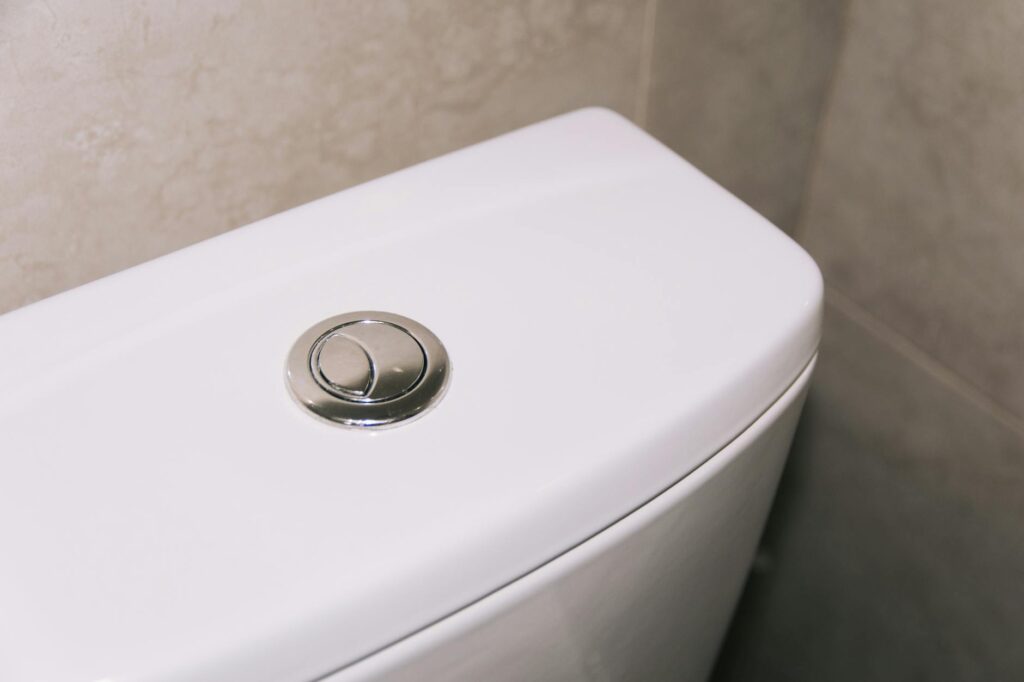
Toilet Tank Mold Mould & Damp Guide Part 1
Introduction
Mould and dampness in the toilet tank can be a frustrating problem that not only affects the appearance of your bathroom but can also lead to unpleasant odors and hygiene concerns. Understanding the causes and solutions is crucial for maintaining a clean and healthy environment. This guide will provide you with practical steps to tackle toilet tank mould effectively.
What Causes Mould & Damp?
Mould in your toilet tank typically arises from a combination of moisture, warmth, and lack of ventilation. Here are some common causes:
1. Excess Humidity: High humidity levels in the bathroom encourage mould growth.
2. Water Leaks: Any leaks or drips from the tank or pipes can contribute to dampness.
3. Stagnant Water: Water that sits in the tank for long periods can lead to mould growth.
4. Poor Ventilation: A bathroom without proper airflow can trap moisture, creating the ideal environment for mould.
5. Organic Matter: Debris, dirt, and organic materials can also feed mould spores.
Why This Problem Happens
Understanding why mould forms in your toilet tank is essential for preventing it from returning.
- Temperature Fluctuations: Warm air can hold more moisture, which can condense and lead to damp surfaces.
- Infrequent Use: If the toilet isn’t used often, the water can stagnate, allowing mould to develop.
- Old Toilets: Older models may have more leaks or structural issues that can exacerbate dampness.
- Rubber gloves
- Safety goggles
- Bucket
- Sponge or scrub brush
- White vinegar
- Baking soda
- Toilet cleaner (optional)
- Old toothbrush
- Spray bottle
- Not Wearing Protective Gear: Always wear gloves and goggles when handling cleaning agents.
- Using Too Much Water: Excessive water can lead to more dampness; use just enough to clean.
- Neglecting the Flush Mechanism: Don’t forget to clean the flush mechanism, as mould can hide there too.
- Ignoring the Source: Failing to address leaks or humidity sources will lead to recurring mould.
How to Fix Mould & Damp (Step-by-Step)
Step 1: Gather Your Materials
Before you start, gather the following materials:
Step 2: Turn Off the Water Supply
Locate the shut-off valve near the base of the toilet and turn it off. This will prevent water from entering the tank while you clean.
Step 3: Drain the Tank
Flush the toilet to empty the tank. Use a sponge to soak up any remaining water.
Step 4: Clean the Tank
1. Vinegar Solution: Fill a spray bottle with equal parts white vinegar and water.
2. Spray: Generously spray the mouldy areas inside the tank.
3. Scrub: Use a sponge or scrub brush to remove mould. Pay special attention to corners and crevices.
4. Baking Soda: For tougher spots, sprinkle baking soda on the mould, let it sit for 10 minutes, then scrub again.
Step 5: Rinse Thoroughly
Once the mould is removed, rinse the tank with clean water. Refill the tank and flush a few times to ensure all cleaning agents are washed away.
Step 6: Dry the Tank
Use a dry sponge to absorb excess moisture. This step is crucial to prevent mould from returning.
Best Cleaning Methods
1. Vinegar and Baking Soda: A natural and effective method. The acidity of vinegar kills mould, while baking soda helps scrub it away.
2. Bleach Solution: Mix one part bleach with ten parts water. Use it cautiously, as bleach can damage certain materials.
3. Commercial Mould Removers: Available at most cleaning supply stores, these can be effective but always follow the manufacturer’s instructions.
Common Mistakes to Avoid
Prevention Tips
1. Regular Cleaning: Clean your toilet tank at least once a month to prevent mould buildup.
2. Improve Ventilation: Use exhaust fans or open windows to reduce humidity.
3. Fix Leaks Promptly: Address any leaks immediately to prevent water accumulation.
4. Use a Dehumidifier: In areas with high humidity, a dehumidifier can be beneficial.
5. Flush Regularly: If the toilet isn’t used often, flush it regularly to keep water moving.
Frequently Asked Questions
1. How often should I clean my toilet tank?
It’s advisable to clean your toilet tank at least once a month to prevent mould buildup.
2. Can I use bleach to clean mould in the toilet tank?
Yes, but use it sparingly and follow the instructions on the label. Ensure proper ventilation while using bleach.
3. What are the signs of mould in the toilet tank?
Signs include dark spots or stains inside the tank, a musty smell, and visible growth on the tank walls.
4. Is toilet tank mould harmful?
While toilet tank mould is not typically harmful, it can lead to unpleasant odors and may indicate underlying issues with hygiene.
5. Can I prevent mould without using chemicals?
Yes, regular cleaning with natural solutions like vinegar and baking soda can effectively prevent mould.
6. What should I do if mould keeps coming back?
Check for ongoing leaks or humidity issues. Improving ventilation and regular cleaning are key to long-term prevention.
By following this guide, you can effectively tackle and prevent mould and damp in your toilet tank, ensuring a cleaner and healthier bathroom environment.