
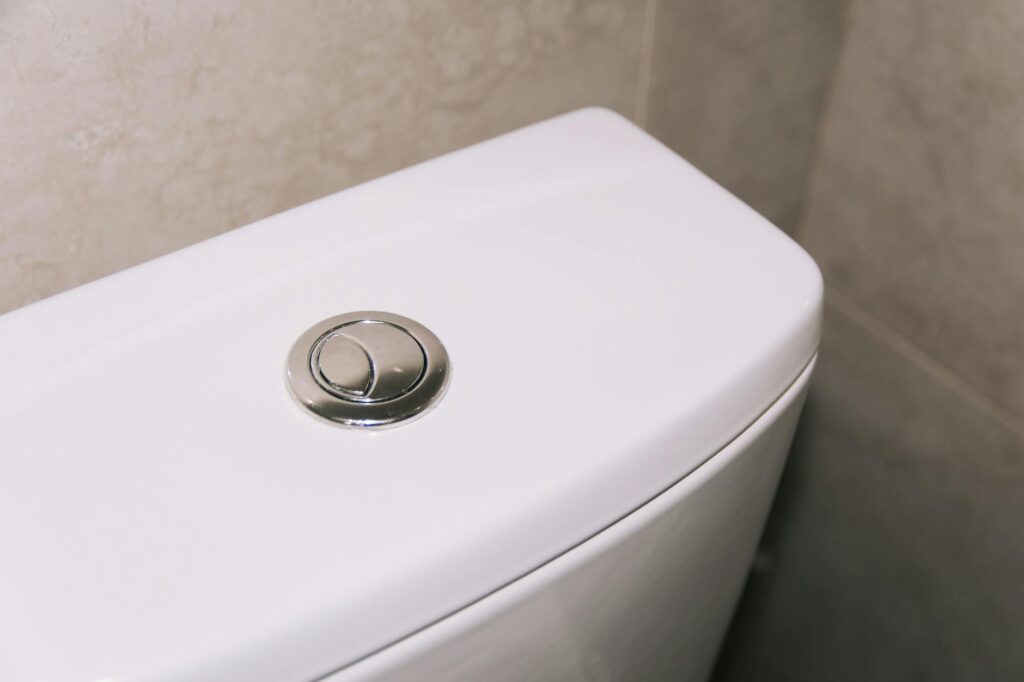
Toilet Tank Mold Laundry Guide Part 1
Introduction
Toilet tank mold can be a frustrating issue for homeowners. It not only affects the cleanliness of your bathroom but can also lead to unpleasant odors and unsightly stains. While you may think of the toilet as a place that should be clean, mold growth can occur in the tank, affecting your laundry as well. This guide will walk you through the causes of toilet tank mold, how to fix the problem, and preventive measures to keep your home fresh and clean.
What Causes Toilet Tank Mold?
Toilet tank mold typically grows in damp, warm environments. Here are the main contributors:
1. Moisture: High humidity levels in bathrooms create a perfect breeding ground for mold.
2. Standing Water: If your toilet tank has leaks or doesn’t flush properly, standing water can form, leading to mold growth.
3. Organic Matter: Bacteria from waste can provide nutrients for mold. If not cleaned regularly, this can lead to an infestation.
4. Poor Ventilation: Bathrooms without adequate airflow can trap moisture, promoting mold growth.
Why This Problem Happens
Understanding why toilet tank mold occurs can help you tackle the issue. Mold thrives in environments where moisture and organic material are present. When the toilet tank is not maintained, moisture accumulates, and any residual waste can foster mold growth. Poor ventilation exacerbates this issue, allowing humidity to linger. Additionally, infrequent cleaning can allow mold spores to take hold and flourish.
How to Fix Toilet Tank Mold (Step-by-Step)
Fixing toilet tank mold requires a systematic approach. Follow these steps for effective cleaning:
Step 1: Gather Your Supplies
You will need:
- Rubber gloves
- A mask (to avoid inhaling spores)
- A sponge or scrub brush
- A bucket
- White vinegar
- Baking soda
- A toothbrush
- Bleach (optional, for stubborn mold)
- White Vinegar: A natural disinfectant that effectively kills mold and neutralizes odors.
- Baking Soda: A gentle abrasive that helps scrub away mold without scratching surfaces.
- Bleach: A powerful mold killer for tough infestations, but should be used with caution due to its harsh nature.
- Commercial Mold Cleaners: If you prefer, there are specialized cleaners available that specifically target mold.
- Ignoring Regular Maintenance: Failing to check your toilet tank regularly can lead to more significant mold problems.
- Using Too Much Water: Avoid flooding the tank with excessive cleaning solutions—this can dilute your efforts.
- Not Using Protective Gear: Mold spores can be harmful. Always wear gloves and a mask during cleaning.
- Neglecting Ventilation: After cleaning, ensure your bathroom is well-ventilated to prevent moisture buildup.
Step 2: Turn Off the Water Supply
Locate the shut-off valve behind your toilet. Turn it clockwise until it stops to prevent any water flow while you’re cleaning.
Step 3: Flush the Toilet
Flush the toilet to empty the tank. This will make it easier to clean the interior surfaces without water getting in the way.
Step 4: Inspect and Remove Visible Mold
Put on your gloves and mask. Use a sponge or scrub brush to remove any visible mold from the tank walls. Pay close attention to corners and crevices.
Step 5: Apply Vinegar and Baking Soda
Pour two cups of white vinegar into the tank. Follow this with one cup of baking soda. Let this mixture sit for 30 minutes. This natural solution helps to kill mold and neutralize odors.
Step 6: Scrub Again
After 30 minutes, use your sponge or scrub brush to scrub the tank thoroughly. Make sure to get into all the nooks and crannies. Rinse with clean water.
Step 7: Optional: Use Bleach
If mold persists, you can use a diluted bleach solution (1 cup of bleach in a gallon of water). Apply it carefully to the affected areas, scrub, and then rinse thoroughly.
Step 8: Clean the Toilet Bowl
While you’re at it, clean the toilet bowl using a toilet brush and your preferred cleaner to ensure the entire toilet is fresh.
Step 9: Turn the Water Supply Back On
Once everything is cleaned and rinsed, turn the water supply back on and flush the toilet to refill the tank.
Best Cleaning Methods
There are several effective methods for cleaning toilet tank mold:
Common Mistakes to Avoid
Prevention Tips
To keep toilet tank mold at bay, implement these preventive measures:
1. Regular Cleaning: Clean your toilet tank at least once a month to remove any buildup.
2. Improve Ventilation: Use an exhaust fan or keep a window open to reduce humidity.
3. Fix Leaks: Ensure there are no leaks in the toilet that could lead to standing water.
4. Use Mold Inhibitors: Consider adding a mold inhibitor to your toilet tank if you live in a humid area.
5. Keep the Bathroom Dry: Wipe down surfaces after use to minimize moisture.
Frequently Asked Questions
1. How often should I clean my toilet tank?
It is recommended to clean your toilet tank at least once a month to prevent mold buildup.
2. Can mold in the toilet tank affect my health?
While occasional exposure to mold may not be harmful, prolonged exposure can lead to health issues. It’s best to clean it regularly.
3. Why does my toilet tank smell bad?
A bad smell can be caused by mold, bacteria, or standing water. Regular cleaning will help eliminate odors.
4. Is bleach safe to use in the toilet tank?
While bleach is effective at killing mold, it should be used cautiously. Always rinse thoroughly and avoid mixing it with other cleaners.
5. Can I prevent mold without harsh chemicals?
Yes, natural cleaners like vinegar and baking soda are effective alternatives to harsh chemicals for cleaning and preventing mold.
6. What should I do if the mold keeps coming back?
If mold continues to return despite regular cleaning, check for leaks and moisture issues in your bathroom. Improving ventilation may also help.
By following this guide, you can effectively tackle toilet tank mold and maintain a fresh, clean bathroom environment. Stay proactive, and your home will thank you!