
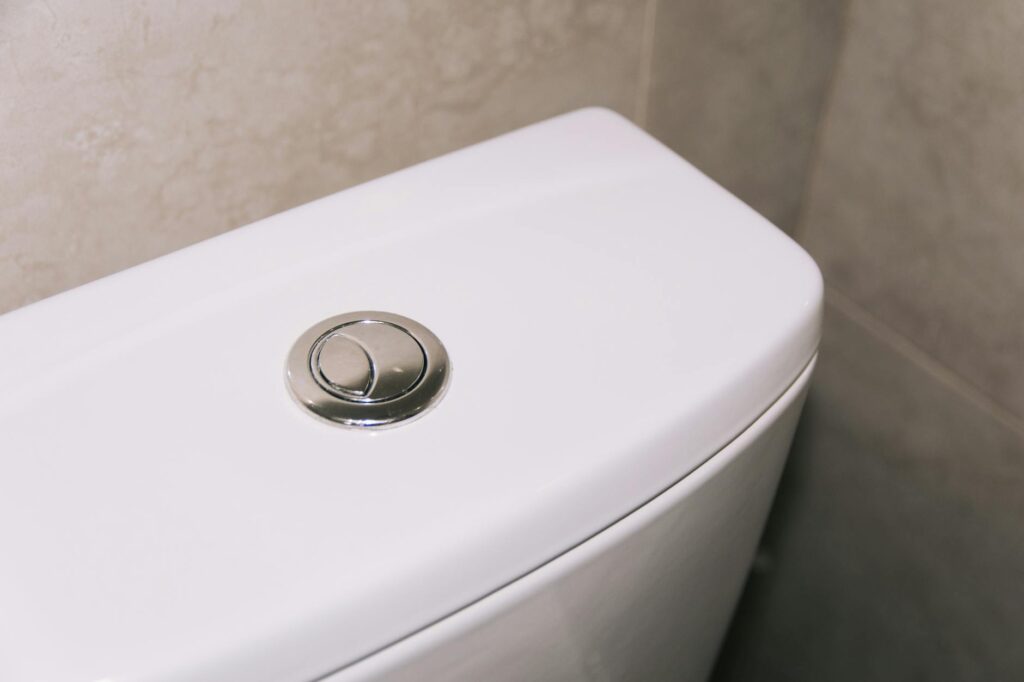
Toilet Tank Mold Bathroom Guide Part 1
Introduction
Toilet tank mold is a common yet often overlooked issue in many bathrooms. It can lead to unsightly stains, unpleasant odors, and even contribute to plumbing problems. This guide will help you understand what causes mold in your toilet tank, how to effectively clean it, and how to prevent it from returning. With practical tips and straightforward steps, you can restore cleanliness to your bathroom and keep it mold-free.
What Causes Bathroom Mold?
Mold thrives in damp, warm environments, making the toilet tank an ideal breeding ground. The primary causes of mold in your toilet tank include:
1. Moisture: Excess moisture from the water supply or condensation can create a perfect habitat for mold.
2. Lack of Airflow: Poor ventilation in the bathroom can trap humidity, fostering mold growth.
3. Organic Matter: Bacteria, minerals, and organic debris that accumulate in the tank can provide food for mold.
4. Low Water Levels: Insufficient water levels can lead to stagnation, promoting mold growth.
Why This Problem Happens
Toilet tanks typically remain dark and moist, which allows mold spores to settle and proliferate. Here are a few contributing factors:
- Temperature Fluctuations: Changes in temperature can lead to condensation, especially in poorly ventilated bathrooms.
- Water Quality: Hard water can leave mineral deposits that provide a surface for mold to cling to.
- Neglect: Regular cleaning is often overlooked, allowing mold to thrive undisturbed.
- Rubber gloves
- Goggles (optional)
- A scrub brush or old toothbrush
- A bucket
- White vinegar or bleach
- Baking soda (optional)
- A sponge
- Paper towels or a microfiber cloth
- For Vinegar: Pour 2 cups of white vinegar into the tank. Let it sit for about 30 minutes.
- For Bleach: Mix a solution of 1 part bleach to 10 parts water, then pour it into the tank. Let it sit for 10-15 minutes.
- Baking Soda Paste: Mix baking soda with water to create a paste. Apply it to moldy areas, let it sit for 15 minutes, then scrub and rinse.
- Commercial Cleaners: Look for mold-specific cleaners available at home improvement stores. These often contain specialized ingredients for mold removal.
- Hydrogen Peroxide: This is a gentler alternative to bleach. Apply 3% hydrogen peroxide directly to the moldy areas, let it sit for 10-15 minutes, and then scrub.
- Using Too Much Water: Overly diluted cleaning solutions may not be effective. Stick to recommended ratios.
- Neglecting the Tank: Regular maintenance is key. Don’t wait until mold is visible to take action.
- Ignoring Ventilation: Ensure your bathroom is well-ventilated. Use exhaust fans or open windows to reduce humidity.
- Not Rinsing Thoroughly: Residual cleaning products can lead to further issues. Always rinse the tank thoroughly.
Understanding these factors is crucial for effective mold management.
How to Fix Bathroom Mold (Step-by-Step)
Cleaning mold from your toilet tank is a straightforward process. Follow these steps for effective removal:
Step 1: Gather Your Supplies
You will need:
Step 2: Turn Off the Water Supply
Locate the shut-off valve behind the toilet and turn it clockwise to stop the water flow. This prevents any overflow during cleaning.
Step 3: Empty the Tank
Flush the toilet to empty the tank. You may need to hold the handle down to ensure all water drains. Use a sponge to soak up any remaining water.
Step 4: Apply Cleaning Solution
Step 5: Scrub the Tank
Using the scrub brush or toothbrush, scrub the sides and bottom of the tank. Pay extra attention to corners and crevices where mold tends to accumulate.
Step 6: Rinse Thoroughly
Flush the toilet multiple times to rinse out any remaining cleaning solution. Ensure that all bleach or vinegar is washed away, as residues can affect plumbing.
Step 7: Dry the Tank
Use a sponge to wipe down the inside of the tank before closing the lid. This helps to remove excess moisture.
Step 8: Turn the Water Supply Back On
Turn the shut-off valve counterclockwise to restore water flow. Flush the toilet once more to check for leaks.
Best Cleaning Methods
While vinegar and bleach are effective, you can also consider these methods for tackling toilet tank mold:
Common Mistakes to Avoid
To ensure effective cleaning and prevention, avoid these common pitfalls:
Prevention Tips
Preventing mold from returning is essential. Here are some practical tips:
1. Regular Cleaning: Clean your toilet tank at least once a month to prevent mold buildup.
2. Improve Ventilation: Use exhaust fans or open windows during and after showers to reduce moisture levels.
3. Monitor Water Quality: If you have hard water, consider using a water softener to reduce mineral buildup.
4. Keep the Tank Dry: After cleaning, use a towel to dry the inside of the tank and reduce humidity.
5. Install a Dehumidifier: If your bathroom is prone to humidity, consider using a dehumidifier to maintain optimal air quality.
Frequently Asked Questions
1. How often should I clean my toilet tank?
Aim to clean your toilet tank at least once a month to prevent mold growth.
2. Can I use vinegar and bleach together?
No, mixing vinegar and bleach can create toxic fumes. Use one cleaning agent at a time.
3. What are signs of mold in my toilet tank?
Signs include black or green spots, musty odors, and discoloration of the tank’s interior.
4. Is it safe to use bleach in the toilet tank?
Yes, but ensure it is properly diluted and rinsed thoroughly to avoid damage to plumbing.
5. Can mold in the toilet tank affect my health?
While mold in the tank isn’t typically harmful, it can lead to unpleasant odors and contribute to poor air quality.
6. What should I do if mold keeps returning?
If mold returns frequently, assess your bathroom’s ventilation and moisture levels. Consider consulting a professional for persistent issues.
By following these guidelines, you can maintain a clean, mold-free toilet tank and enjoy a healthier bathroom environment. Keep an eye on moisture levels and commit to regular cleaning to prevent future problems.