
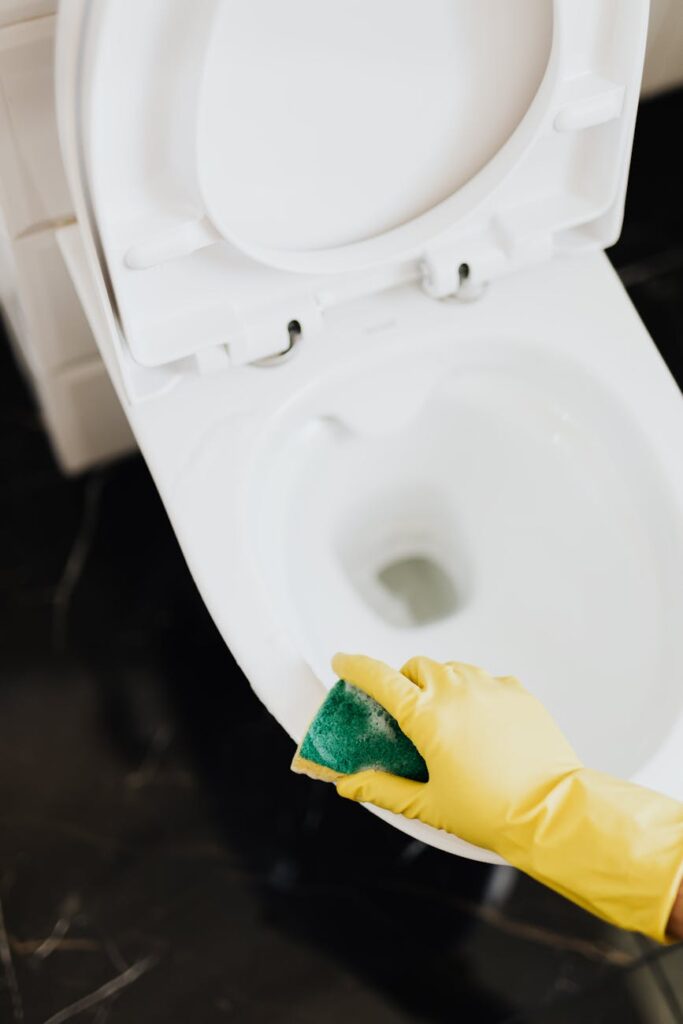
Toilet Bowl Stains Guide Part 1
Introduction
Toilet bowl stains are a common nuisance for homeowners. They can be unsightly and may even affect the overall cleanliness of your bathroom. The good news is that with the right knowledge and tools, you can easily tackle these stains. This guide will delve into the causes, solutions, and preventive measures to help you maintain a spotless toilet bowl.
What Causes Stains?
Toilet bowl stains can originate from several sources, including:
1. Mineral Deposits: Hard water contains minerals like calcium and magnesium that can build up over time, creating rings or discoloration.
2. Bacteria and Mold: Warm, moist environments in toilets can foster bacterial growth, leading to unsightly stains.
3. Rust: If your plumbing contains iron, rust can leach into the water, leaving reddish-brown stains.
4. Toilet Bowl Cleaners: Some cleaners can react with water or other substances, causing discoloration.
Understanding these causes is the first step in effectively addressing the stains.
Why This Problem Happens
Toilet bowl stains often occur due to neglect, hard water issues, or poor cleaning habits. If you live in an area with hard water, you may notice stains more frequently. Additionally, if you don’t clean your toilet regularly, stains can accumulate and become harder to remove. The combination of these factors leads to persistent and unsightly marks that can make your toilet look dirty, even when it’s not.
How to Fix Stains (Step-by-Step)
Here’s a straightforward method to eliminate toilet bowl stains effectively:
Step 1: Gather Your Supplies
- Toilet brush
- Rubber gloves
- Toilet bowl cleaner (preferably one designed for tough stains)
- Baking soda
- White vinegar
- Pumice stone (for stubborn stains)
- Spray bottle
- Are formulated to fight hard water stains
- Contain bleach for disinfecting purposes
- Are eco-friendly if that’s a concern
- Baking Soda and Vinegar: A powerful combination for breaking down stains and disinfecting.
- Borax: Sprinkle it into the bowl, let it sit for a few hours, then scrub and flush.
Step 2: Apply Cleaner
1. Put on your rubber gloves.
2. Pour the toilet bowl cleaner generously around the rim and into the bowl.
3. Let it sit for at least 10 minutes to allow the cleaner to break down the stains.
Step 3: Scrub
1. Use a toilet brush to scrub the entire bowl, focusing on stained areas.
2. For stubborn stains, sprinkle baking soda on the brush before scrubbing.
Step 4: Rinse with Vinegar
1. After scrubbing, pour a cup of white vinegar into the bowl.
2. Let it sit for another 10 minutes to help remove remaining stains.
Step 5: Final Scrub and Flush
1. Give the bowl a final scrub with the toilet brush.
2. Flush to rinse away the cleaner and stains.
Step 6: For Stubborn Stains
If stains persist, use a pumice stone to gently scrub the affected areas. Make sure the stone is wet to avoid scratching the porcelain.
Best Cleaning Methods
Commercial Cleaners
There are many toilet bowl cleaners available that target specific types of stains. Look for products that:
Natural Solutions
If you prefer a DIY approach, consider these alternatives:
Common Mistakes to Avoid
1. Neglecting Regular Cleaning: Skipping routine cleaning allows stains to build up.
2. Using the Wrong Tools: Avoid using abrasive cleaners or tools that can scratch the toilet surface.
3. Not Allowing Enough Time for Cleaners to Work: Always give cleaners enough time to penetrate the stains.
4. Overusing Cleaners: More isn’t always better. Follow the recommended amounts on the product label.
Prevention Tips
1. Regular Cleaning: Clean your toilet weekly to prevent build-up.
2. Use a Water Softener: If you have hard water, consider installing a water softener to reduce mineral deposits.
3. Keep the Lid Closed: This can help keep the toilet bowl cleaner and reduce the growth of bacteria.
4. Flush Regularly: Don’t let water sit stagnant in the bowl for long periods, especially if you don’t use the toilet frequently.
Frequently Asked Questions
1. How often should I clean my toilet?
Aim for at least once a week. If you have hard water or heavy use, you may want to clean more frequently.
2. Can I use bleach in my toilet?
Yes, but be cautious. Avoid mixing bleach with other chemicals, especially ammonia, as this can create toxic fumes.
3. Why do I have brown stains in my toilet?
Brown stains are often caused by rust or mineral deposits from hard water. Regular cleaning and the use of a water softener can help mitigate this.
4. Is it safe to use a pumice stone?
Yes, but ensure the stone is wet to avoid scratching the porcelain. Use gentle pressure when scrubbing.
5. What can I do about persistent stains?
For tough stains, consider using a specialized cleaner designed for hard water or rust stains. A longer soaking time may also help.
6. Can I prevent toilet bowl stains?
Yes, regular cleaning, using a water softener, and being mindful of what goes into your toilet can significantly reduce the occurrence of stains.
By following these guidelines, you can keep your toilet bowl clean and free from stains. Stay proactive, and your toilet will remain a sparkling fixture in your home.