
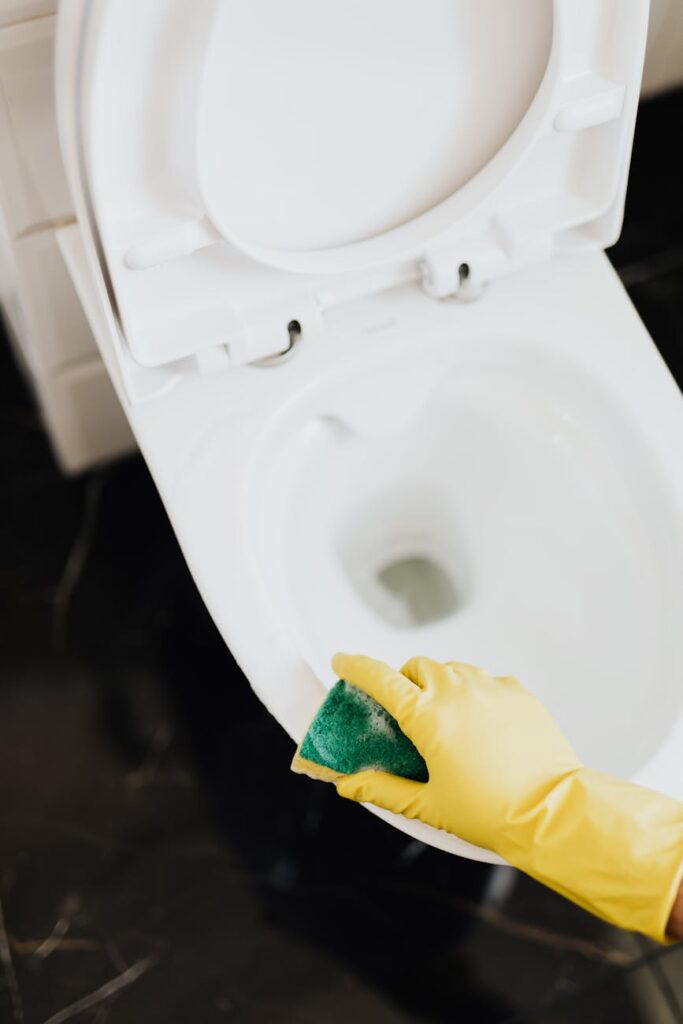
Toilet Bowl Stains Bathroom Guide Part 1
Introduction
Toilet bowl stains can be an eyesore in any bathroom. They not only affect the appearance but can also indicate underlying issues with cleanliness and hygiene. In this guide, we’ll explore the causes of toilet bowl stains, effective cleaning methods, and preventive measures to keep your toilet sparkling clean.
What Causes Bathroom Stains?
Toilet bowl stains can originate from various sources:
1. Hard Water: Minerals like calcium and magnesium can accumulate over time, leaving unsightly rings and stains.
2. Rust: If your plumbing contains iron, rust can accumulate and create reddish-brown stains.
3. Bacteria and Mold: Organic matter can lead to green or black stains, particularly if the toilet is not cleaned regularly.
4. Toilet Cleaning Products: Some cleaning agents can leave stains if not rinsed properly.
Understanding the source of these stains is essential for effective cleaning.
Why This Problem Happens
Toilet bowl stains are often a result of neglect or environmental factors:
- Frequency of Cleaning: Infrequent cleaning allows stains to set in, making them harder to remove.
- Water Quality: Areas with hard water are more prone to mineral buildup.
- Toilet Design: Some toilets have design features that trap water, creating stagnant areas where stains can develop.
- Humidity: High humidity can encourage mold growth, especially if ventilation is poor.
- Toilet brush
- Rubber gloves
- Bucket
- White vinegar or baking soda
- Toilet bowl cleaner (preferably with bleach)
- Scrubbing pad or pumice stone (for tough stains)
- Spray bottle
Identifying these factors can help in crafting a better cleaning routine.
How to Fix Bathroom Stains (Step-by-Step)
Step 1: Gather Your Supplies
Before you start, make sure you have:
Step 2: Prepare the Toilet
1. Empty the Toilet Bowl: Pour a bucket of water into the bowl to lower the water level. This allows easier access to the stains.
2. Ventilate the Area: Open windows or turn on the exhaust fan to ensure proper ventilation.
Step 3: Apply Cleaning Solutions
1. For Hard Water Stains: Pour 2 cups of white vinegar into the bowl and let it sit for at least 30 minutes. The acidity helps dissolve mineral deposits.
2. For Rust Stains: Sprinkle baking soda on the stained areas, followed by a cup of vinegar. Allow it to fizz for 10-15 minutes.
3. For Bacteria and Mold: Use a commercial toilet bowl cleaner with bleach. Apply according to the instructions on the label.
Step 4: Scrub the Toilet
1. Use the Toilet Brush: Scrub the bowl thoroughly, paying extra attention to the stained areas. Make sure to scrub under the rim as well.
2. Use a Pumice Stone: For tough mineral stains, gently rub with a pumice stone to avoid scratching the porcelain.
Step 5: Flush and Rinse
After scrubbing, flush the toilet to rinse away the cleaning agents. Check for any remaining stains; if necessary, repeat the process.
Best Cleaning Methods
Several cleaning methods can effectively tackle toilet bowl stains:
1. Vinegar and Baking Soda: A natural, eco-friendly solution. The reaction between vinegar and baking soda helps lift stains.
2. Commercial Cleaners: Products containing bleach or hydrochloric acid can be effective but should be used with caution due to strong chemicals.
3. Pumice Stone: Ideal for tough mineral stains without scratching the toilet bowl.
4. Enzyme Cleaners: These break down organic matter and can help with bacteria-related stains.
Choose a method that aligns with your cleaning preferences and the severity of the stains.
Common Mistakes to Avoid
1. Using Abrasive Cleaners: Avoid scouring pads that can scratch the porcelain surface.
2. Neglecting the Rim and Base: Stains can accumulate in these hard-to-reach areas. Don’t skip them during cleaning.
3. Not Letting Cleaners Sit: Allowing cleaners to sit for an adequate amount of time maximizes their effectiveness.
4. Infrequent Cleaning: Regular cleaning prevents stains from becoming entrenched.
Avoiding these mistakes can lead to a more successful cleaning routine.
Prevention Tips
To keep your toilet bowl clean and stain-free:
1. Regular Cleaning: Aim to clean your toilet at least once a week to prevent buildup.
2. Install a Water Softener: If you have hard water, consider installing a water softener to reduce mineral deposits.
3. Use a Toilet Bowl Cleaner Regularly: A weekly application can help keep stains at bay.
4. Improve Ventilation: Ensure your bathroom is well-ventilated to reduce humidity and mold growth.
Implementing these tips can save you time and effort in the long run.
Frequently Asked Questions
1. How often should I clean my toilet?
Aim to clean your toilet at least once a week to prevent stains and buildup.
2. Can I use bleach to clean my toilet?
Yes, but use it with caution. Make sure to follow the instructions on the label and ensure proper ventilation.
3. What’s the best way to remove hard water stains?
White vinegar and baking soda are effective natural solutions. Apply them and let them sit before scrubbing.
4. Are commercial cleaners safe for septic systems?
Check the label. Many commercial cleaners are safe for septic systems, but avoid those with harsh chemicals.
5. How do I prevent rust stains in my toilet?
Consider using rust removers and check your plumbing for iron buildup. Regular cleaning can also help.
6. Can I use a pumice stone on any toilet?
Yes, but use it gently to avoid scratching. Test on a small area first if you’re unsure.
By following this guide, you can effectively tackle toilet bowl stains and maintain a clean, hygienic bathroom. Stay tuned for Part 2, where we’ll dive deeper into specialized cleaning techniques and products.