
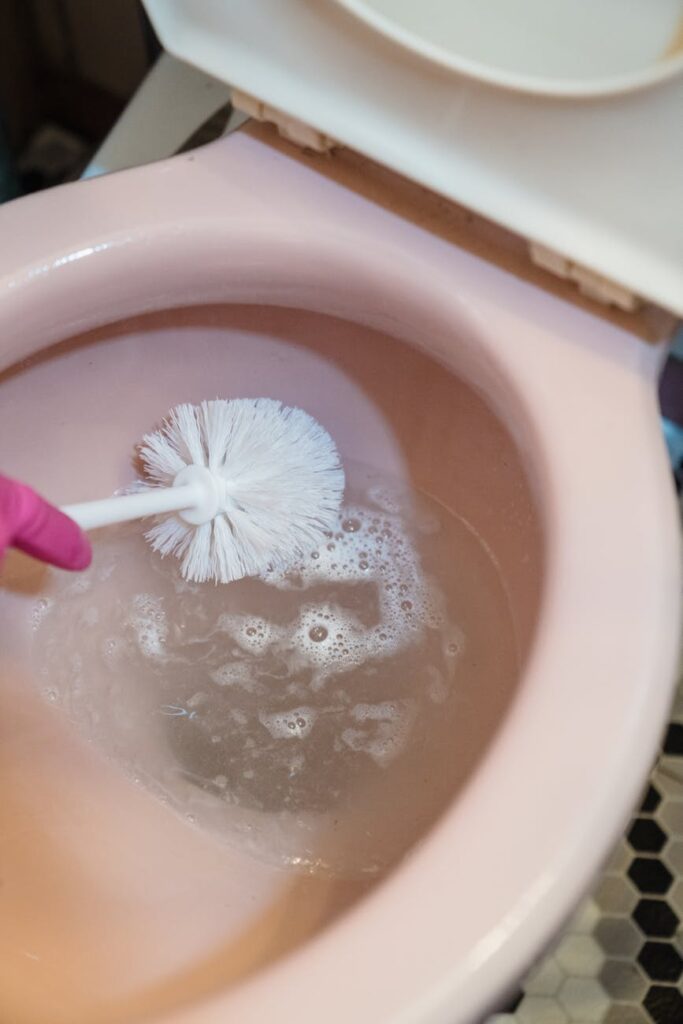
Toilet Bowl Odor Kitchen Guide Part 1
Introduction
Nothing spoils the comfort of a clean kitchen like the unpleasant odor of a toilet bowl. While it may seem odd that these two areas of the home are connected, kitchen odors can stem from bathroom issues. This guide will help you understand the causes of these odors, how to fix them, and ways to prevent them from returning.
What Causes Kitchen?
The smell of a toilet bowl in your kitchen can arise from several sources. Common culprits include:
1. Shared Plumbing: If your kitchen and bathroom share plumbing, any leaks or blockages can lead to odors wafting into the kitchen.
2. Ventilation Issues: Poor ventilation can trap odors, causing them to linger and spread throughout your home.
3. Waste Disposal: Food waste that isn’t properly disposed of can attract bacteria, which can create foul smells that resemble toilet odors.
4. Sewer Gas: A dry trap in the kitchen sink can allow sewer gases to escape, resulting in unpleasant odors.
Why This Problem Happens
Understanding why kitchen toilet bowl odors occur can help in addressing the problem effectively:
- Leaky Pipes: Leaks in plumbing can lead to stagnant water, creating a breeding ground for bacteria and odor.
- Clogged Drains: Food particles and grease can clog drains, causing a backup that may produce smells similar to those from a bathroom.
- Poor Air Circulation: A lack of airflow can trap odors, making them more noticeable in enclosed spaces like kitchens.
- Neglected Garbage Disposal: If not cleaned regularly, garbage disposals can harbor decaying food, leading to bad smells.
- Check under your sink and around your pipes for any signs of leaks.
- If you find any, repair them immediately to prevent further issues.
- Pour boiling water down your kitchen sink to help dissolve any clogs.
- Follow this with a mixture of baking soda and vinegar. Let it sit for 15 minutes, then rinse with hot water.
- Turn off the garbage disposal.
- Pour a cup of ice cubes and half a cup of salt into the disposal, followed by cold water. Run the disposal to clean the blades and remove odors.
- You can also grind citrus peels to add a fresh scent.
- Ensure your kitchen exhaust fan is working properly.
- Open windows for natural ventilation, or consider using air purifiers to circulate fresh air.
- Remove the trap (the U-shaped pipe) under your sink and clean it thoroughly.
- Reinstall and ensure it’s sealed tightly.
- Ignoring Small Leaks: Even minor leaks can lead to major odor issues if left unaddressed.
- Overlooking Garbage Disposal Maintenance: Regular cleaning is essential. Don’t let food waste sit for long periods.
- Neglecting Airflow: Closing windows and doors can trap odors. Ensure proper ventilation in your kitchen.
- Using Strong Chemical Cleaners: Strong chemicals can sometimes make odors worse. Opt for natural cleaning methods whenever possible.
How to Fix Kitchen (Step-by-Step)
Step 1: Inspect for Leaks
Step 2: Clean Drains
Step 3: Clean the Garbage Disposal
Step 4: Address Ventilation
Step 5: Check Sink Traps
Best Cleaning Methods
1. Baking Soda and Vinegar: This classic combination is effective for neutralizing odors. Pour half a cup of each down your drains weekly to keep them fresh.
2. Bleach Solution: For tough odors, a diluted bleach solution can be used to sanitize surfaces. Mix one part bleach to ten parts water, and wipe down surfaces.
3. Essential Oils: A few drops of essential oils like lemon or tea tree oil can freshen up the air and eliminate odors when added to your cleaning solution.
4. Activated Charcoal: Place bowls of activated charcoal around your kitchen to absorb unwanted smells.
Common Mistakes to Avoid
Prevention Tips
1. Regular Cleaning: Keep your kitchen clean by wiping down surfaces and cleaning your sink daily.
2. Proper Food Waste Disposal: Always dispose of food waste properly. Use compost bins for organic matter.
3. Routine Maintenance: Schedule regular plumbing inspections to catch any leaks or clogs early.
4. Ventilate: Keep your kitchen well-ventilated, especially when cooking.
5. Check Traps: Regularly inspect and clean sink traps to ensure they’re working effectively.
6. Odor Absorbers: Use baking soda or activated charcoal in your kitchen to absorb odors continuously.
Frequently Asked Questions
1. How can I tell if the odor is coming from the kitchen or bathroom?
If the smell is stronger near the sink or garbage disposal, it’s likely coming from the kitchen. If it’s more noticeable near the toilet, the issue may originate in the bathroom.
2. Can I use essential oils to eliminate toilet bowl odors?
Yes, adding a few drops of essential oil to your cleaning solutions or diffusing them in the kitchen can help mask and eliminate odors.
3. How often should I clean my garbage disposal?
Aim to clean your garbage disposal at least once a week to prevent odors from building up.
4. What should I do if the smell persists after cleaning?
If the odor continues, consider calling a plumber to check for underlying plumbing issues or sewer gas leaks.
5. Are there any natural alternatives to bleach for cleaning?
Yes! Vinegar, baking soda, and lemon juice are excellent natural alternatives for cleaning and deodorizing.
6. How can I improve ventilation in my kitchen?
Install an exhaust fan, open windows when cooking, and consider using an air purifier to improve airflow and reduce odors.
By following this guide, you can tackle toilet bowl odors in your kitchen effectively and ensure your cooking space remains fresh and inviting. Regular maintenance and proactive cleaning will go a long way in keeping unpleasant smells at bay.