
Toilet Bowl Odor Cleaning Guide Part 1
Introduction
Toilet bowl odor can be an unpleasant surprise for any homeowner. A smelly toilet can affect the entire bathroom’s atmosphere, making it uncomfortable for you and your guests. Fortunately, tackling this issue doesn’t require a professional cleaner or expensive products. This guide will break down the causes of toilet bowl odors, offer step-by-step cleaning methods, and provide tips for prevention.
What Causes Toilet Bowl Odor?
Understanding the source of odors is crucial in addressing the problem effectively. Common causes include:
1. Bacteria and Mold: Bacteria thrive in damp environments, and toilets are a prime breeding ground. Mold can also grow in poorly ventilated spaces.
2. Hard Water Deposits: Mineral buildup from hard water can create a foul smell, especially if it traps bacteria.
3. Old Residue: Leftover waste or toilet paper can decompose and produce odors.
4. Poor Ventilation: A bathroom lacking proper airflow can trap smells, making them more noticeable.
5. Sewer Gas: Sometimes, the issue is not just with the toilet itself but stems from plumbing problems, allowing sewer gas to escape.
Why This Problem Happens
Toilet odors typically arise from a combination of hygiene habits and environmental factors. Infrequent cleaning can lead to bacteria growth. Additionally, bathrooms without adequate ventilation can exacerbate the smell, especially in humid climates.
If you notice a persistent odor, it could also indicate plumbing issues, such as a broken seal or vent pipe, which might require professional attention.
How to Fix Toilet Bowl Odor (Step-by-Step)
Step 1: Gather Supplies
Before you start, gather the necessary supplies:
- Toilet brush
- Rubber gloves
- Toilet cleaner (preferably one with disinfectant properties)
- Baking soda
- White vinegar
- Pumice stone (for hard water stains)
- Spray bottle
- Cleaning cloth or sponge
Step 2: Empty the Toilet Bowl
To tackle the odor effectively, you may want to empty the toilet bowl slightly. To do this, turn off the water supply to the toilet and flush. This will lower the water level, making it easier to clean.
Step 3: Apply Cleaner
Apply your chosen toilet cleaner to the inside of the bowl, ensuring you cover under the rim and the sides. Let it sit for at least 10-15 minutes to allow it to penetrate and break down stains and bacteria.
Step 4: Scrub the Bowl
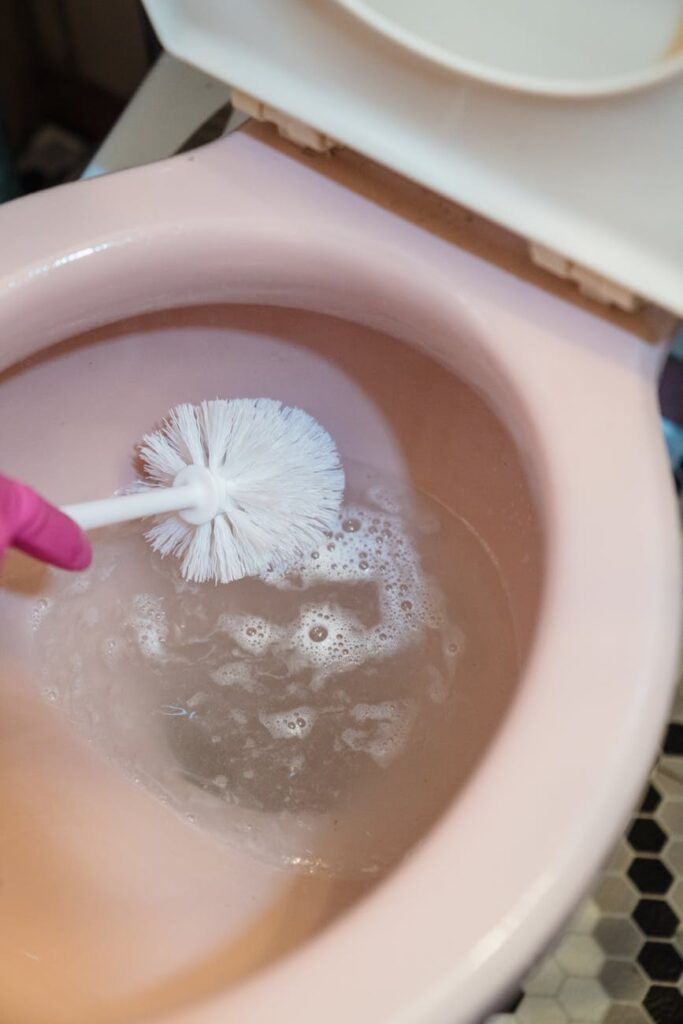
Using the toilet brush, scrub the bowl thoroughly, paying special attention to stains and mineral deposits. For hard water stains, consider using a pumice stone delicately to avoid scratching the porcelain.
Step 5: Rinse
Flush the toilet to rinse away the cleaner and any debris.
Step 6: Address Odors with Baking Soda and Vinegar
For lingering odors, pour about 1 cup of baking soda and 1 cup of white vinegar into the toilet bowl. Let it fizz for about 30 minutes, then scrub again with the toilet brush before flushing.
Step 7: Clean Surrounding Areas
Don’t forget to clean the area around the toilet. Use a disinfectant cleaner on the toilet seat, lid, and floor to ensure all surfaces are odor-free.
Step 8: Ventilate
After cleaning, open windows or turn on the bathroom fan to improve air circulation, helping to dissipate any remaining odors.
Best Cleaning Methods
Method 1: Baking Soda and Vinegar
This natural method is effective for deodorizing and cleaning the toilet bowl. The combination creates a foaming action that can lift stains and kill bacteria.
Method 2: Commercial Toilet Cleaners
For tougher stains and odors, a commercial toilet cleaner with bleach or disinfectant properties can be very effective. Always follow the manufacturer’s instructions for use.
Method 3: Essential Oils
Adding a few drops of essential oils (like tea tree or lavender) to your cleaning routine can help mask odors and leave a pleasant scent.
Method 4: Pumice Stone
For hard water stains or mineral buildup, a pumice stone can be an excellent tool. Use it carefully to avoid scratching the toilet bowl.
Common Mistakes to Avoid
1. Neglecting the Rim: Many homeowners forget to clean under the toilet rim, where grime and bacteria can build up.
2. Using Too Much Cleaner: More isn’t always better. Excessive cleaner can leave residue and may not improve cleaning efficacy.
3. Ignoring the Surrounding Area: Focusing solely on the bowl while neglecting the seat and exterior can lead to persistent odors.
4. Not Ventilating: Failing to ventilate the bathroom after cleaning can trap odors instead of eliminating them.
5. Skipping Regular Maintenance: Cleaning the toilet only when odors appear can lead to bigger problems. Regular cleaning is essential.
Prevention Tips
1. Regular Cleaning: Clean your toilet at least once a week to prevent odor buildup.
2. Ventilation: Ensure your bathroom is well-ventilated to reduce humidity and odors. Open windows or use an exhaust fan.
3. Use Air Fresheners: Consider using air fresheners or odor-eliminating sprays designed for bathrooms.
4. Seal Cracks: Check for any cracks or gaps in your toilet or plumbing. Seal any issues promptly to prevent odors from escaping.
5. Flush Properly: Encourage everyone in the household to flush properly and avoid flushing items that can lead to clogs.
Frequently Asked Questions
1. How often should I clean my toilet?
It’s best to clean your toilet at least once a week to prevent odors and buildup.
2. Can I use bleach to clean my toilet?
Yes, bleach can be effective for cleaning and disinfecting, but use it sparingly and follow the instructions on the label.
3. What should I do if the odor persists?
If odors persist despite cleaning, check for plumbing issues like broken seals or vents, which may require a professional plumber’s attention.
4. Is there a natural way to deodorize my toilet?
Yes, baking soda and vinegar are excellent natural deodorizers and can be used regularly to maintain freshness.
5. Why does my toilet smell like sewer?
A sewer smell often indicates a plumbing issue, such as a broken wax seal or vent pipe. Consider consulting a plumber if you encounter this problem.
6. Can hard water affect toilet odors?
Yes, hard water can cause mineral buildup that traps bacteria, leading to unpleasant odors. Regular cleaning with appropriate products can help mitigate this issue.
By following these guidelines, you can effectively combat toilet bowl odors and maintain a fresh and inviting bathroom environment. Stay tuned for Part 2, where we’ll explore advanced cleaning techniques and products for even more effective odor management.