
Toilet Bowl Odor Bathroom Guide Part 1
Introduction
A clean bathroom is essential for a healthy home, but persistent toilet bowl odor can be a common and unpleasant problem. This guide will help you understand the causes, solutions, and preventive measures for toilet bowl odors, ensuring your bathroom remains fresh and inviting.
What Causes Bathroom Odor?
Toilet bowl odors can stem from various sources. Recognizing these sources is the first step in resolving the issue. Here are the primary culprits:
1. Bacteria and Waste: When waste accumulates in the toilet bowl or the pipes, bacteria thrive, producing foul odors.
2. Hard Water Deposits: Minerals in hard water can create limescale buildup, which can harbor bacteria and contribute to odors.
3. Poor Ventilation: A bathroom that lacks adequate ventilation can trap smells, making them more noticeable.
4. Leaking Seals: Worn-out wax seals or gaskets can lead to leaks, causing odor from sewage to seep into the bathroom.
5. Clogs: Blocked pipes can trap waste and cause odors to escape into the bathroom.
Why This Problem Happens
Understanding why toilet bowl odors develop is crucial for effective cleaning and maintenance. Here are some reasons:
- Infrequent Cleaning: A lack of regular cleaning allows bacteria and waste to accumulate, leading to persistent odors.
- Old Plumbing: Aging pipes can develop cracks or blockages, which can trap waste and produce foul smells.
- Improper Use of Cleaning Products: Some cleaning products can exacerbate the problem if not used correctly or if they leave residues behind.
- Environmental Factors: High humidity levels can also contribute to the growth of mold and bacteria, leading to unpleasant smells.
- Toilet brush
- All-purpose cleaner
- Baking soda
- White vinegar
- Stiff bristle brush
- Rubber gloves
- Spray bottle
- Disinfectant wipes
How to Fix Bathroom (Step-by-Step)
Fixing toilet bowl odor requires a systematic approach. Follow these steps for a thorough cleaning:
Step 1: Gather Your Supplies
Before you start, gather the following supplies:
Step 2: Empty the Toilet Bowl
1. Turn off the Water Supply: Locate the shut-off valve behind the toilet and turn it clockwise.
2. Flush the Toilet: This will empty most of the water from the bowl. Use a sponge to soak up any remaining water.
Step 3: Clean the Toilet Bowl
1. Apply Cleaner: Use an all-purpose cleaner or a toilet bowl cleaner under the rim and inside the bowl. Let it sit for 10-15 minutes to break down stains and odors.
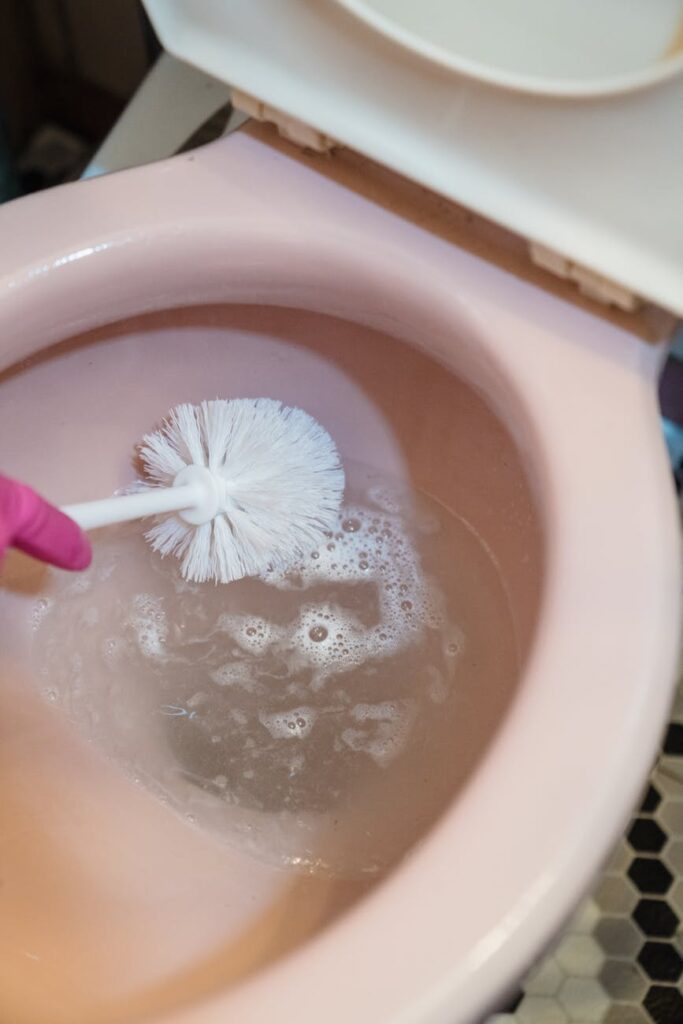
2. Scrub: Use a toilet brush to scrub the bowl thoroughly, focusing on hard-to-reach areas. For tough stains, sprinkle baking soda and scrub again.
3. Rinse: Turn the water supply back on and flush the toilet to rinse away the cleaner.
Step 4: Address the Surrounding Area
1. Wipe Down Surfaces: Use disinfectant wipes to clean the outside of the toilet, including the seat and tank.
2. Check for Leaks: Inspect the wax seal and gaskets for any signs of damage or leaks.
Step 5: Ventilate the Bathroom
Open a window or turn on the exhaust fan to improve airflow and help remove lingering odors.
Best Cleaning Methods
Different cleaning methods can be effective depending on the severity of the odor. Here are some of the best approaches:
1. Baking Soda and Vinegar: This natural method helps eliminate odors and stains. Pour one cup of baking soda and one cup of vinegar into the bowl, let it fizz for 30 minutes, then scrub and flush.
2. Commercial Toilet Bowl Cleaners: Choose a cleaner specifically designed for toilet bowls, which often contain bleach or enzymes that target bacteria.
3. Enzyme Cleaners: These are particularly effective for breaking down organic material that may be causing odors.
4. Essential Oils: A few drops of essential oils, like tea tree or lavender, can mask odors and offer antibacterial properties.
Common Mistakes to Avoid
To effectively tackle toilet bowl odors, avoid these common mistakes:
1. Neglecting Regular Cleaning: Regular maintenance is key. Skipping cleanings allows odors to build up.
2. Using Too Many Products: Mixing different cleaning products can create harmful fumes and may not effectively address odors.
3. Ignoring the Surrounding Area: Bacteria can thrive on the toilet’s exterior, including the floor and walls. Neglecting these areas can lead to persistent smells.
4. Overusing Air Fresheners: Instead of masking odors, focus on cleaning to eliminate the source. Air fresheners can also leave residues that attract dirt.
Prevention Tips
Preventing toilet bowl odors is easier than dealing with them. Here are some effective tips:
1. Regular Cleaning Schedule: Clean the toilet bowl at least once a week to prevent buildup.
2. Proper Ventilation: Use exhaust fans or open windows to reduce humidity and improve air circulation.
3. Use a Toilet Lid: Keeping the lid closed can help contain odors and reduce the spread of bacteria.
4. Install a Water Softener: If you have hard water, consider installing a water softener to minimize mineral buildup in your toilet and plumbing.
5. Flush Regularly: Encourage everyone in the household to flush the toilet after each use to prevent waste accumulation.
Frequently Asked Questions
1. How often should I clean my toilet to prevent odors?
Aim to clean your toilet at least once a week. More frequent cleaning may be necessary if you notice persistent odors.
2. Can I use bleach in my toilet bowl?
Yes, bleach can be effective for cleaning, but use it sparingly. Avoid mixing it with other cleaners to prevent harmful reactions.
3. What should I do if the odor persists after cleaning?
If odors persist, check for leaks and consider calling a plumber to inspect your plumbing for clogs or damage.
4. Are there natural alternatives to commercial cleaners?
Yes, baking soda and vinegar, essential oils, and enzyme cleaners are effective natural alternatives.
5. How do I know if my wax seal is damaged?
Signs of a damaged wax seal include water pooling around the toilet base or persistent odors, even after cleaning.
6. Is it normal for my toilet to smell after flushing?
Occasional odors after flushing can happen, but if it’s frequent or strong, it may indicate a plumbing issue that needs addressing.
By following this guide, you’ll be well on your way to eliminating toilet bowl odors and maintaining a fresh and clean bathroom environment. Stay tuned for Part 2, where we’ll delve deeper into advanced cleaning techniques and maintenance tips!