
Tile Mildew Removal Stains Guide Part 1
Introduction
Mildew stains on tile can be an unsightly nuisance, especially in humid areas like bathrooms and kitchens. These stains not only detract from your home’s aesthetic but can also lead to a slippery, unsafe surface. Understanding how to effectively remove mildew stains will help you maintain a clean and healthy living environment. This guide will walk you through the causes of these stains, why they occur, and practical steps to remove them.
What Causes Stains?
Mildew stains typically arise from a combination of moisture, lack of ventilation, and organic materials. Here are some common culprits:
1. High Humidity: Areas with high humidity levels are prone to mildew growth.
2. Water Leaks: Leaky pipes or faucets can create damp conditions ideal for mildew.
3. Organic Matter: Soap residue, dirt, and food particles can provide the nutrients mildew needs to thrive.
4. Poor Ventilation: Lack of airflow can trap moisture, creating a breeding ground for mildew.
Why This Problem Happens
The primary reason mildew stains occur is the ideal environment they find in damp, warm areas. When moisture accumulates, especially in tile grout, it creates a perfect habitat. Additionally, mildew thrives on organic materials, meaning any leftover soap scum or food particles can contribute to the issue. Understanding these factors can help you tackle the problem more effectively.
How to Fix Stains (Step-by-Step)
Removing mildew stains from tiles requires a systematic approach. Follow these steps to tackle the issue:
Step 1: Gather Your Supplies
- White vinegar or baking soda
- Spray bottle
- Soft-bristle brush or toothbrush
- Microfiber cloth or sponge
- Rubber gloves
- For Vinegar: Pour white vinegar into a spray bottle and spray directly onto the stained areas.
- For Baking Soda Paste: Mix baking soda with a small amount of water to form a paste. Apply it to the stains.
Step 2: Prepare the Area
Clear the area of any items and ensure proper ventilation. Open windows or turn on exhaust fans to maintain airflow.
Step 3: Apply the Cleaning Solution
Step 4: Let It Sit
Allow the solution to sit for at least 10-15 minutes. This will help break down the mildew and make it easier to scrub away.
Step 5: Scrub the Stains
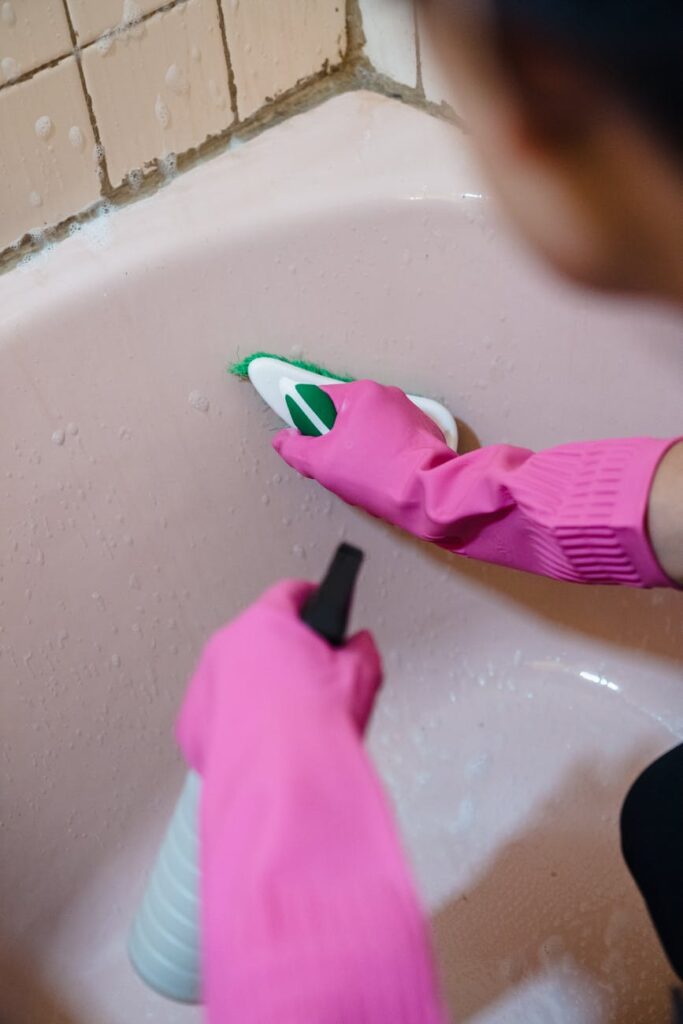
Using a soft-bristle brush or an old toothbrush, scrub the stained areas in a circular motion. Be gentle to avoid scratching the tile surface.
Step 6: Rinse and Dry
Rinse the area with warm water and wipe it down with a microfiber cloth or sponge. Ensure the surface is completely dry to prevent future mildew growth.
Best Cleaning Methods
There are several effective cleaning methods to tackle mildew stains on tiles:
1. Vinegar Solution: A natural disinfectant that breaks down mildew and helps remove stains.
2. Baking Soda Paste: Excellent for scrubbing tough stains while being non-abrasive.
3. Hydrogen Peroxide: A 3% solution can be effective for stubborn stains. Apply it directly and let it sit before scrubbing.
4. Commercial Cleaners: There are specialized mildew removers available in stores. Follow the manufacturer’s instructions for best results.
Common Mistakes to Avoid
When tackling mildew stains, avoiding common pitfalls can make a significant difference:
1. Neglecting Ventilation: Not allowing proper airflow can exacerbate the problem.
2. Using Abrasive Cleaners: Harsh chemicals can damage tiles and grout. Stick to gentle solutions.
3. Skipping Regular Maintenance: Failing to clean tiles regularly can lead to persistent mildew issues.
4. Not Testing Cleaning Solutions: Always test a small, inconspicuous area first to check for any adverse reactions.
Prevention Tips
Taking preventive measures can help reduce the likelihood of mildew stains in the future:
1. Improve Ventilation: Use exhaust fans in bathrooms and kitchens to reduce humidity levels.
2. Fix Leaks Promptly: Address any leaks in pipes or faucets to minimize moisture buildup.
3. Regular Cleaning: Establish a regular cleaning routine to prevent mildew from taking hold.
4. Use Mildew-Resistant Products: Consider mildew-resistant grout and paint in high-moisture areas.
Frequently Asked Questions
1. How often should I clean my tiles to prevent mildew?
Aim to clean tiles at least once a week, especially in high-humidity areas.
2. Can I use bleach to remove mildew stains?
While bleach can be effective, it can also damage some tile surfaces and grout. It’s better to use milder solutions like vinegar or baking soda.
3. What’s the difference between mildew and mold?
Mildew is usually white or gray and appears flat, while mold can be black, green, or orange and often has a fuzzy texture. Both thrive in damp environments.
4. Will vinegar remove all types of stains?
Vinegar is effective against mildew and soap scum but may not remove all stains, such as rust or hard water deposits.
5. Is it necessary to wear gloves when cleaning?
While not mandatory, wearing rubber gloves can help protect your skin from irritants in cleaning solutions.
6. What if the stains persist after cleaning?
If stains remain, consider using a commercial mildew remover or consulting a professional cleaning service for more stubborn cases.
By following this guide, homeowners can effectively tackle mildew stains on tile surfaces, ensuring their homes remain clean and hygienic. Stay tuned for Part 2, where we’ll explore advanced techniques for stubborn mildew problems.