
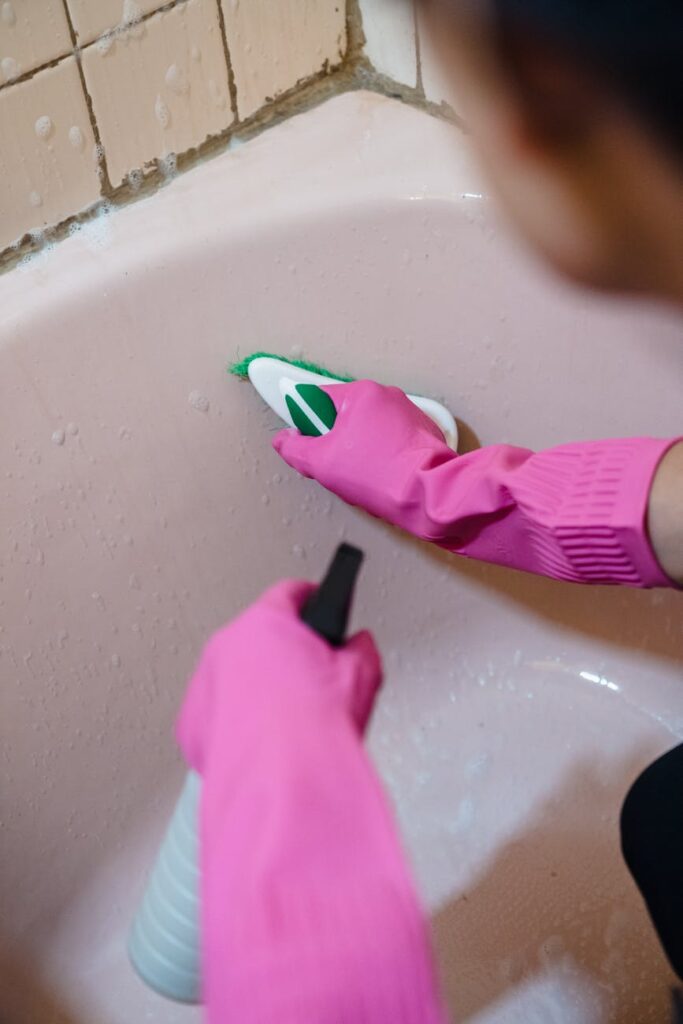
Tile Mildew Removal Odours Guide Part 1
Introduction
Tile mildew odours can be a persistent and unpleasant problem in our homes, especially in areas with high moisture levels like bathrooms and kitchens. Recognizing how mildew develops and learning effective removal and prevention methods can help maintain a clean and fresh-smelling environment. This guide will provide you with practical steps to tackle tile mildew odours effectively.
What Causes Odours?
Mildew thrives in damp environments, often appearing as a greenish or blackish growth on tiles, grout, or other surfaces. The odour associated with mildew is typically musty, and it can seep into your home’s air quality.
Key Contributors to Mildew Odours:
- Moisture: High humidity levels create the perfect breeding ground for mildew.
- Poor Ventilation: Lack of airflow allows moisture to accumulate.
- Organic Material: Dirt, soap scum, and other organic materials can provide nutrients for mildew growth.
- White vinegar
- Baking soda
- Spray bottle
- Scrub brush or sponge
- Cloth or mop
- Essential oils (optional for fragrance)
- Ignoring the Source: Failing to address the underlying moisture issue will lead to recurring mildew.
- Using Too Much Water: Excess water can worsen the problem. Always dry thoroughly after cleaning.
- Neglecting Sealing Grout: Unsealed grout can absorb moisture, making mildew removal more difficult.
- Overlooking Ventilation: Proper airflow is crucial for preventing mildew growth.
Why This Problem Happens
Mildew and its associated odours typically arise due to a combination of factors:
1. Humidity: Areas like bathrooms, kitchens, and basements are prone to moisture.
2. Inadequate Cleaning: Regular cleaning helps remove organic material that mildew feeds on.
3. Slow Drying: Wet surfaces from spills or leaks take longer to dry in poorly ventilated areas.
4. Clogged Drains: Stagnant water can lead to mildew growth in and around tiles.
Understanding these causes is the first step toward effectively addressing mildew odours.
How to Fix Odours (Step-by-Step)
If you’re dealing with mildew odours, follow these steps to eliminate them effectively:
Step 1: Gather Your Supplies
Step 2: Prepare the Area
Ensure the area is well-ventilated. Open windows and doors to allow fresh air to circulate.
Step 3: Apply Vinegar Solution
1. Fill a spray bottle with equal parts white vinegar and water.
2. Spray the affected tile and grout areas generously.
3. Let it sit for at least 10-15 minutes to penetrate the mildew.
Step 4: Scrub the Area
Using a scrub brush or sponge, scrub the tile and grout to remove mildew. Pay special attention to corners and seams, where mildew often hides.
Step 5: Rinse Thoroughly
Rinse the area with warm water to remove any vinegar and mildew residue.
Step 6: Deodorize with Baking Soda
1. Sprinkle baking soda over the damp surfaces.
2. Let it sit for 15-20 minutes to absorb any lingering odours.
3. Rinse again with water.
Step 7: Dry Completely
Use a cloth or mop to dry the area thoroughly. Consider using a fan to speed up the drying process.
Best Cleaning Methods
When it comes to removing tile mildew odours, a few methods have proven especially effective:
1. Vinegar and Water: A natural disinfectant that kills mildew and neutralizes odours.
2. Baking Soda: Absorbs moisture and odours, making it a great deodorizer.
3. Hydrogen Peroxide: A stronger alternative for stubborn mildew stains. Mix with water and apply similarly to vinegar.
4. Commercial Mildew Removers: While effective, ensure they are safe for your tile type and follow the manufacturer’s instructions.
Common Mistakes to Avoid
Here are some pitfalls to steer clear of when tackling mildew odours:
Prevention Tips
Preventing mildew odours is key to maintaining a fresh home environment:
1. Maintain Low Humidity: Use dehumidifiers in high-moisture areas.
2. Ventilate: Install exhaust fans in bathrooms and kitchens to promote airflow.
3. Regular Cleaning: Clean tiles and grout weekly to remove organic material and prevent mildew growth.
4. Seal Grout: Apply a grout sealer every year to protect against moisture infiltration.
5. Fix Leaks Promptly: Repair any plumbing issues to prevent water accumulation.
6. Use a Squeegee: After showering, use a squeegee on tiles to remove excess water.
Frequently Asked Questions
1. How often should I clean my tiles to prevent mildew?
Aim to clean your tiles at least once a week, focusing on high-moisture areas.
2. Can I use bleach to remove mildew?
While bleach can kill mildew, it may not remove the odour entirely and can damage some tile surfaces. It’s best to use vinegar or baking soda for safer options.
3. What type of tiles are most prone to mildew?
Porous tiles, such as unglazed ceramic or natural stone, are more susceptible to mildew due to their ability to absorb moisture.
4. Is essential oil effective against mildew odours?
Essential oils can mask odours but are not a substitute for thorough cleaning. They can be added to cleaning solutions for a pleasant fragrance.
5. How can I tell if my grout is sealed?
Sprinkle a few drops of water on the grout. If it beads up, it’s sealed. If the water soaks in, it needs sealing.
6. What if the odour persists after cleaning?
If odours continue, check for hidden moisture sources, such as leaks or poor ventilation, and address them immediately.
By following these practical steps and tips, you can effectively remove and prevent mildew odours from your tiles, ensuring your home remains fresh and inviting. Stay tuned for Part 2, where we will dive deeper into advanced cleaning techniques and solutions for persistent mildew issues.