
Tile Mildew Removal: Mould & Damp Guide Part 1
Introduction
Mould and dampness in your home can be more than just unsightly; they can lead to serious issues if left untreated. Mildew thrives in moist environments, especially on tiles in bathrooms and kitchens. This guide provides practical steps to effectively remove mould and dampness from your tiles, ensuring a cleaner and healthier living space.
What Causes Mould & Damp?
Mould and damp are caused by excess moisture in the air or on surfaces. Several common factors lead to this issue:
1. High Humidity: Areas with high humidity levels provide the perfect breeding ground for mould.
2. Poor Ventilation: Rooms lacking proper airflow can trap moisture.
3. Water Leaks: Leaking pipes or roof issues can introduce unwanted water.
4. Condensation: Changes in temperature can cause moisture to condense on cold surfaces.
5. Inadequate Sealing: Poorly sealed tiles or grout can allow moisture to seep in.
Understanding these causes is the first step in tackling mould and damp effectively.
Why This Problem Happens
Mould and damp problems often arise in specific areas of the home, notably:
- Bathrooms: Showers and sinks create excess moisture.
- Kitchens: Cooking and cleaning can add to humidity levels.
- Basements: These areas are prone to dampness due to being below ground level.
- Rubber gloves
- Face mask
- Scrub brush or sponge
- Bucket
- Spray bottle
- Cleaning solution (vinegar, baking soda, or commercial mould remover)
- Grout sealer (if needed)
Additionally, lifestyle choices, such as drying clothes indoors, can exacerbate the issue. Recognizing why mould forms helps in preventing it from returning.
How to Fix Mould & Damp (Step-by-Step)
Step 1: Gather Your Supplies
Before starting, gather the following supplies:
Step 2: Prepare the Area
1. Ventilate the Space: Open windows and doors for airflow.
2. Remove Items: Take any items away from the affected tile area.
Step 3: Apply Cleaning Solution
1. Vinegar Method: Fill a spray bottle with white vinegar. Spray the affected tiles and grout generously. Let it sit for at least 30 minutes.
2. Baking Soda Method: Alternatively, mix baking soda with water to form a paste. Apply this to the mouldy areas and let it sit for 15 minutes.
Step 4: Scrub the Area
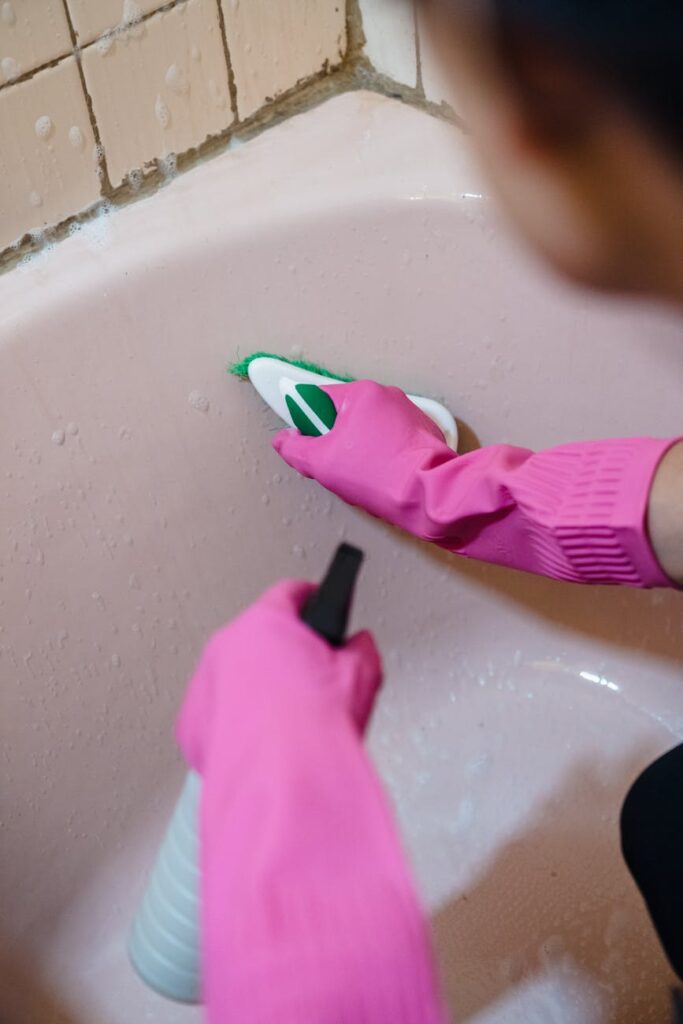
Using a scrub brush or sponge, scrub the affected areas thoroughly. This action will help lift the mould from the surface.
Step 5: Rinse and Dry
1. Rinse: Use clean water to rinse the tiles and grout.
2. Dry: Wipe down with a dry cloth to eliminate moisture.
Step 6: Seal Grout (if necessary)
If your grout is damaged or porous, applying a grout sealer can help prevent future mould growth. Follow the manufacturer’s instructions for application.
Best Cleaning Methods
1. Vinegar: An effective natural disinfectant that kills most mould species.
2. Baking Soda: A gentle abrasive that can help scrub away mould and prevent its return.
3. Hydrogen Peroxide: A powerful disinfectant that can effectively eliminate mould.
4. Commercial Cleaners: Products designed specifically for mould removal can be highly effective, but always follow the instructions carefully.
Common Mistakes to Avoid
1. Ignoring Early Signs: Don’t let small patches of mould grow; address them immediately.
2. Using Bleach: While bleach can kill mould, it doesn’t prevent regrowth and can damage grout.
3. Not Ventilating: Failing to ventilate during cleaning can increase humidity and worsen the problem.
4. Skipping Drying: Not drying the area thoroughly can lead to mould returning quickly.
Prevention Tips
1. Improve Ventilation: Install exhaust fans in bathrooms and kitchens.
2. Use Dehumidifiers: Keep humidity levels below 50% in your home.
3. Seal Grout: Regularly apply grout sealer to protect against moisture.
4. Regular Cleaning: Maintain a routine cleaning schedule to remove any early signs of mould.
5. Repair Leaks Promptly: Address any leaks in plumbing or roofing as soon as they are detected.
Frequently Asked Questions
1. How often should I clean for mould?
Aim to clean your tiles and grouting at least once a month to prevent mould buildup.
2. Can I use bleach to remove mould?
While bleach can kill mould on non-porous surfaces, it does not prevent regrowth and can damage grout over time.
3. Is vinegar effective against mould?
Yes, vinegar is a natural disinfectant that can kill most types of mould and is safe for household use.
4. How do I know if my mould problem is severe?
If you notice extensive mould growth, a persistent musty smell, or health issues in your household, consult a professional.
5. Will sealing grout help prevent mould?
Yes, sealing grout creates a barrier against moisture, significantly reducing the likelihood of mould growth.
6. What should I do if mould keeps returning?
If mould continually returns despite cleaning, investigate possible leaks, humidity issues, or lack of ventilation and address these underlying problems.
—
With this guide, you have the tools and knowledge to tackle mould and damp on your tiles effectively. Regular maintenance and prompt action can help you maintain a clean, healthy home.