
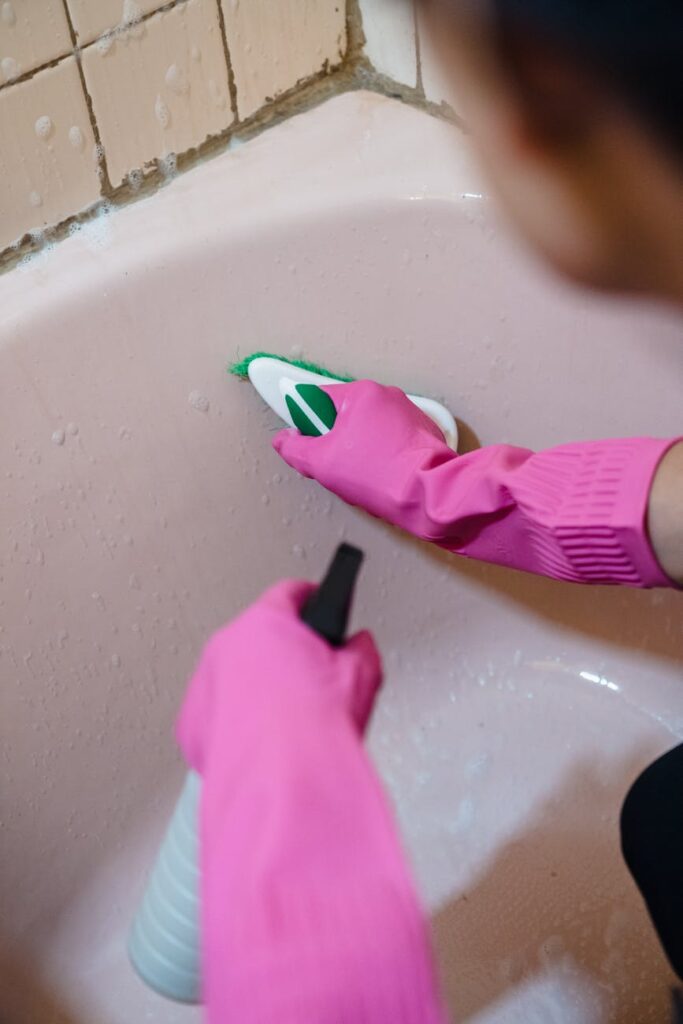
Tile Mildew Removal Cleaning Guide Part 1
Introduction
Mildew on tile surfaces can be a frustrating problem for homeowners. It not only looks unsightly but can also contribute to an unpleasant environment. In this guide, we’ll explore the causes of tile mildew, effective removal methods, and tips for preventing its return. With the right approach, you can restore your tiles and keep them looking fresh.
What Causes Mildew?
Mildew is a type of fungus that thrives in damp, warm conditions. The following factors contribute to the growth of mildew on tile surfaces:
- Humidity: High humidity levels create an ideal environment for mildew growth.
- Poor Ventilation: Areas with limited airflow, such as bathrooms and kitchens, are more prone to mildew.
- Water Accumulation: Standing water or leaks can provide a constant source of moisture.
- Organic Material: Dust, soap residue, and organic matter can serve as food sources for mildew.
- Shower stalls
- Bathtubs
- Kitchen backsplashes
- Grout lines between tiles
- Protective gloves
- Face mask
- Scrub brush or sponge
- Bucket
- Spray bottle
- Cleaning solution (vinegar, baking soda, or commercial mildew remover)
- Old toothbrush (for grout lines)
- Rags or paper towels
- Ventilate: Open windows and doors to improve airflow.
- Clear the Space: Remove any items from the area you’ll be cleaning to create a clear workspace.
- Natural Solutions: If using vinegar, fill a spray bottle with undiluted white vinegar. For baking soda, mix a paste with water.
- Commercial Products: Follow the instructions on the label for best results.
- Not Allowing Solutions to Sit: Skipping the waiting period can reduce the effectiveness of your cleaning solution.
- Using Abrasive Tools: Avoid steel wool or harsh scrubbing pads, as these can scratch tile surfaces.
- Ignoring Grout Lines: Mildew often hides in grout lines. Be sure to give them extra attention.
- Not Rinsing Thoroughly: Residue from cleaning solutions can attract more mildew, so thorough rinsing is essential.
- Cleaning Without Protection: Always wear gloves and a mask to protect yourself from mold spores and chemicals.
Understanding these causes is the first step in effectively addressing the issue.
Why This Problem Happens
Mildew often develops in areas that are frequently exposed to water. Common locations include:
In these areas, moisture can become trapped, allowing mildew spores to settle and grow. If left untreated, mildew can spread rapidly, making removal more challenging.
How to Fix Mildew (Step-by-Step)
Removing mildew from your tiles may seem daunting, but with a systematic approach, it can be accomplished effectively. Here’s a step-by-step guide:
Step 1: Gather Your Supplies
Before you start, gather the following supplies:
Step 2: Prepare the Area
Step 3: Apply Cleaning Solution
Spray or apply the solution generously on the affected areas. Allow it to sit for 10-15 minutes to penetrate the mildew.
Step 4: Scrub the Mildew
Using a scrub brush or sponge, scrub the affected areas. For grout lines, an old toothbrush can be very effective. Apply extra pressure if needed to remove stubborn mildew.
Step 5: Rinse Thoroughly
After scrubbing, rinse the area with warm water to remove any residue. Make sure no cleaning solution is left behind, as this can attract more mildew.
Step 6: Dry the Area
Use a clean rag or paper towels to dry the tiles and grout completely. This step is crucial, as moisture left behind can lead to a quick return of mildew.
Best Cleaning Methods
When it comes to tile mildew removal, several methods can be effective. Here are some of the best options:
1. Vinegar
Vinegar is a natural mildew remover. Its acidity helps break down mildew without harsh chemicals. Simply spray undiluted vinegar on the affected area and scrub.
2. Baking Soda Paste
Mix baking soda with water to create a paste. Apply it to the mildew spots and scrub after letting it sit for 10-15 minutes. Baking soda is not only a cleaning agent but also helps deodorize.
3. Hydrogen Peroxide
Hydrogen peroxide is a powerful disinfectant. Spray it directly onto the mildew and let it sit for about 10 minutes before scrubbing.
4. Commercial Mildew Removers
If natural methods don’t work, consider using a commercial mildew remover. Look for products specifically designed for tile surfaces and follow the instructions carefully.
Common Mistakes to Avoid
To ensure effective mildew removal, avoid these common mistakes:
Prevention Tips
Preventing mildew from returning is just as important as removal. Here are some effective strategies:
1. Improve Ventilation
Increase airflow by opening windows and using exhaust fans in bathrooms and kitchens. Good ventilation helps reduce moisture buildup.
2. Regular Cleaning
Incorporate mildew prevention into your cleaning routine by wiping down tiles and grout regularly. Use a vinegar solution or a mild cleaner to keep surfaces fresh.
3. Fix Leaks
Address any leaks promptly. Even small leaks can create a breeding ground for mildew.
4. Use Moisture Absorbers
Consider using moisture absorbers or dehumidifiers in areas prone to high humidity.
5. Seal Grout Lines
Applying a grout sealer can help protect against moisture penetration, making it harder for mildew to take hold.
Frequently Asked Questions
1. How often should I clean for mildew?
Regular cleaning every 1-2 weeks can help prevent mildew buildup, especially in high-moisture areas.
2. Can I use bleach to remove mildew?
While bleach can kill mildew, it may not be effective on porous surfaces and can cause discoloration. Opt for vinegar or baking soda for safer options.
3. Is mildew harmful to health?
While mildew is not typically harmful, it can cause allergies in some individuals. It’s best to remove it promptly.
4. What type of tiles are most prone to mildew?
Ceramic and porcelain tiles, especially in damp areas, are more susceptible to mildew growth.
5. How can I tell if I have mildew or mold?
Mildew appears as a powdery or fluffy patch, while mold tends to be more textured and can be black or green. Both require removal.
6. Can I prevent mildew with essential oils?
Certain essential oils, like tea tree oil, have antifungal properties. Adding a few drops to your cleaning solution can help deter mildew growth.
By following these detailed steps and tips, you can effectively remove tile mildew and keep your home looking great. Stay tuned for Part 2, where we’ll delve deeper into advanced cleaning techniques and long-term solutions.