
Tile Mildew Removal Bathroom Guide Part 1
Introduction
Mildew can be a persistent problem in bathrooms, especially in tiled areas where moisture accumulates. This guide provides practical steps to identify, remove, and prevent tile mildew, ensuring your bathroom remains clean and inviting.
What Causes Bathroom Mildew?
Mildew thrives in damp, warm environments. In bathrooms, common causes include:
- High Humidity: Showers and baths create steam, promoting mildew growth.
- Poor Ventilation: Lack of airflow traps moisture, creating a breeding ground for mildew.
- Water Leaks: Leaky pipes or fixtures can lead to hidden moisture buildup.
- Infrequent Cleaning: Neglecting to clean regularly allows mildew spores to settle and grow.
- Humidity Levels: Bathrooms often have high humidity due to daily use. If humidity levels remain elevated, mildew can flourish.
- Temperature Fluctuations: Warm temperatures during a shower can lead to condensation, which fosters mildew growth.
- Organic Matter: Soap scum, hair, and other organic materials provide food for mildew.
- Insufficient Cleaning: Areas that aren’t cleaned regularly become a habitat for mildew.
- Protective gloves
- Masks (optional)
- Scrub brush or sponge
- Bucket
- Old toothbrush
- Cleaning solution (bleach, vinegar, or commercial mildew remover)
- Spray bottle
- Bleach Solution: Mix one cup of bleach with one gallon of water.
- Vinegar Solution: Use undiluted white vinegar in a spray bottle.
- Commercial Cleaner: Follow the instructions on the product label.
- Bleach: Highly effective for killing mildew but should be used in well-ventilated areas.
- Vinegar: A natural alternative that is less harsh but still effective in removing mildew.
- Baking Soda Paste: Mix baking soda with water to form a paste. Apply it to affected areas and scrub after letting it sit.
- Hydrogen Peroxide: This can be used as a mildew remover. Apply it directly to the affected areas and scrub after a few minutes.
Why This Problem Happens
Understanding why mildew occurs can help in addressing the issue effectively.
How to Fix Bathroom Mildew (Step-by-Step)
Step 1: Gather Your Supplies
Before starting, gather the necessary cleaning supplies:
Step 2: Prepare the Area
1. Clear Surfaces: Remove all items from countertops, shower stalls, and bathtubs.
2. Ventilate: Open windows and turn on exhaust fans to reduce humidity and improve air circulation.
Step 3: Apply Cleaning Solution
1. Choose Your Cleaner: Depending on your preference, you can use:
2. Spray the Affected Areas: Generously apply the solution to tiles, grout lines, and any areas with visible mildew.
Step 4: Let It Sit
Allow the solution to sit for 10-15 minutes. This gives it time to penetrate and kill mildew spores.
Step 5: Scrub the Area
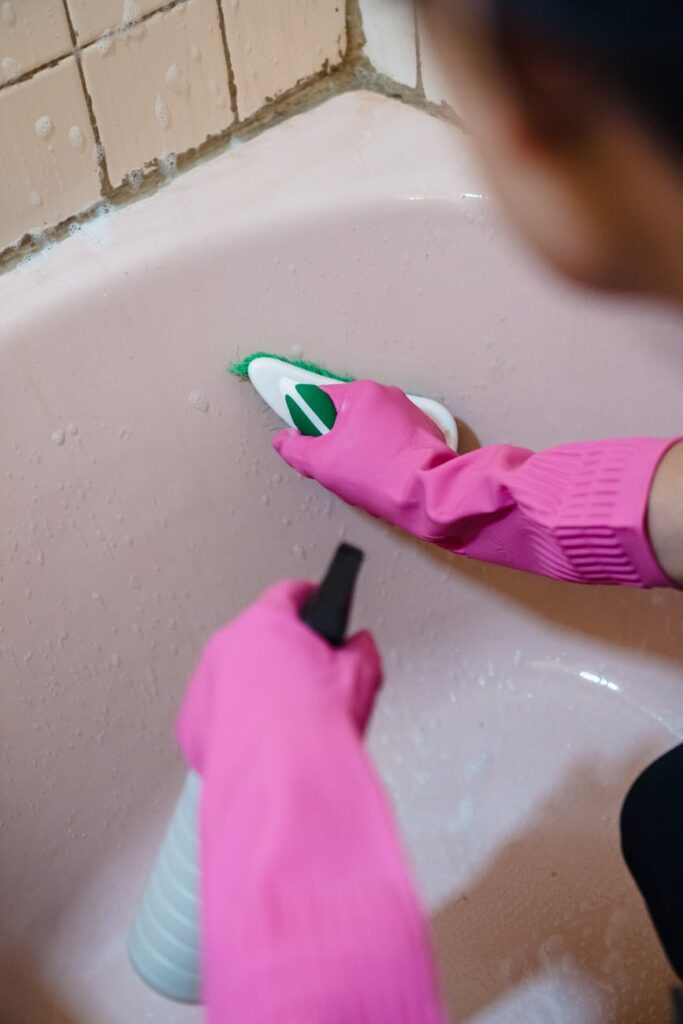
1. Use a Scrub Brush or Sponge: Scrub the tiles and grout vigorously to remove mildew. For tight corners, use an old toothbrush.
2. Rinse Thoroughly: Rinse the area with warm water to remove the cleaning solution and any loosened mildew.
Step 6: Dry the Area
1. Wipe Down Surfaces: Use a clean, dry cloth to wipe down all surfaces.
2. Ensure Ventilation: Keep windows open and exhaust fans running until the area is completely dry.
Best Cleaning Methods
The effectiveness of your cleaning method can vary based on the severity of the mildew. Here are some of the best options:
Common Mistakes to Avoid
1. Using Too Much Cleaner: More isn’t always better. Excess cleaner can lead to residue buildup.
2. Not Scrubbing Enough: Simply spraying the solution without scrubbing won’t effectively remove mildew.
3. Ignoring Grout: Mildew often hides in grout lines. Neglecting these areas can lead to recurring problems.
4. Inadequate Ventilation: Cleaning in a humid environment can hinder mildew removal. Always ventilate during and after cleaning.
Prevention Tips
1. Improve Ventilation: Install or upgrade exhaust fans and keep windows open when possible.
2. Regular Cleaning: Clean your bathroom at least once a week to prevent mildew buildup.
3. Use a Squeegee: After showers, use a squeegee to remove excess water from tiles.
4. Seal Grout: Apply a grout sealer every year to prevent moisture from penetrating the grout.
5. Limit Moisture: Keep towels and bath mats dry and avoid leaving wet clothes in the bathroom.
Frequently Asked Questions
1. How can I tell if I have mildew or mold?
Mildew is usually gray or white and has a powdery appearance, while mold can be black, green, or brown and appears fuzzy. Both thrive in moist environments.
2. Can I use vinegar and bleach together?
No, mixing vinegar and bleach creates toxic fumes. Use one cleaning agent at a time.
3. How often should I clean my bathroom to prevent mildew?
Aim to clean your bathroom at least once a week, paying special attention to damp areas.
4. What should I do if mildew keeps coming back?
If mildew persists, check for leaks, improve ventilation, and consider using a dehumidifier.
5. Are there any natural mildew removers?
Yes, vinegar and baking soda are effective natural options for removing mildew.
6. What’s the best way to dry my bathroom after a shower?
Use exhaust fans, open windows, and squeegee tiles after each use to reduce moisture and prevent mildew growth.
By following these steps and tips, you can effectively tackle tile mildew in your bathroom, keeping it clean and fresh for you and your family. Stay tuned for Part 2, where we will explore advanced techniques and products for long-lasting results.