
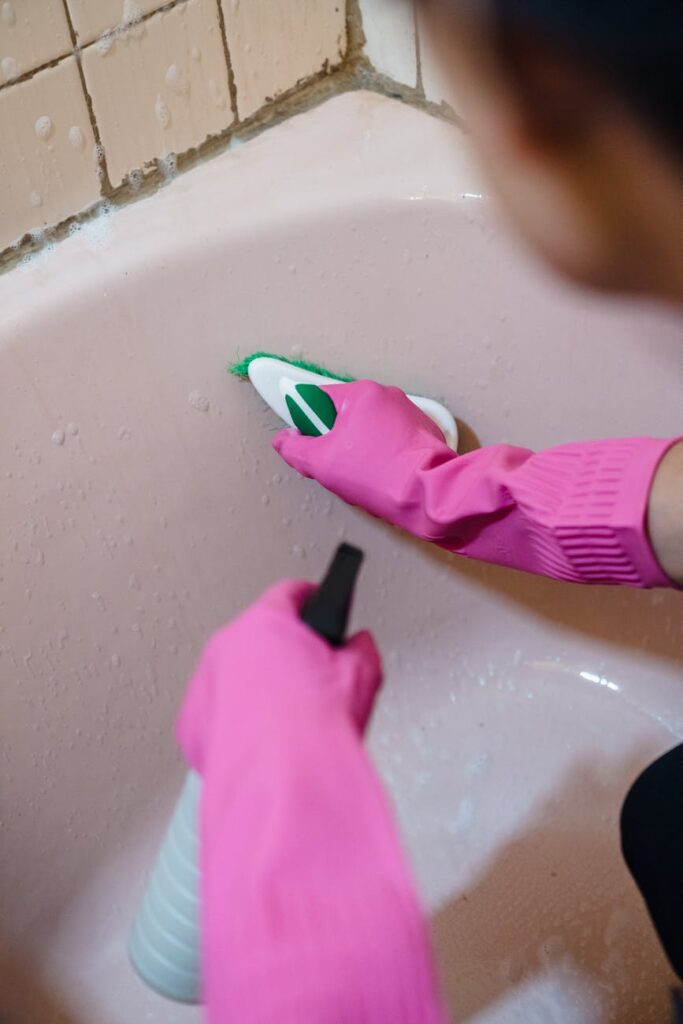
Tile Mildew Removal Appliances Guide Part 1
Introduction
Mildew can be a persistent problem in tiled areas, especially in kitchens and bathrooms. It not only looks unsightly but can also lead to more significant issues if left untreated. This guide focuses on the appliances that can help you effectively tackle tile mildew. We’ll explore what causes mildew, how to fix it, and the best practices for prevention.
What Causes Appliances?
Appliances used in the cleaning process can contribute to mildew growth if they are not properly maintained. Here are some common appliances that can cause or exacerbate mildew issues:
1. Washing Machines: If not cleaned regularly, washing machines can harbor mildew in their seals and interiors.
2. Dishwashers: A build-up of food particles and moisture can create an ideal environment for mildew.
3. Steam Cleaners: While they can be effective for cleaning tiles, improper use can sometimes lead to excess moisture.
4. Humidifiers: If used excessively, they can increase humidity levels, making mildew more likely.
Understanding how these appliances work and how to maintain them is crucial in preventing mildew growth.
Why This Problem Happens
Mildew thrives in damp, warm environments. Appliances can inadvertently contribute to these conditions through:
- Poor ventilation: Inadequate airflow allows moisture to linger.
- Residual moisture: Appliances that leave behind water can create pools where mildew can grow.
- Temperature fluctuations: Sudden changes in temperature can lead to condensation, promoting mildew growth.
- Neglected maintenance: Appliances that are not cleaned or serviced regularly can accumulate grime and moisture.
- Inspect your appliances for signs of mildew or dampness.
- Check seals, gaskets, and interior surfaces for moisture build-up.
- Use a hygrometer to measure humidity levels in your home. Ideal levels are between 30-50%.
- If levels are high, consider using a dehumidifier.
- Mix equal parts of white vinegar and water in a spray bottle.
- Spray on the affected areas, let it sit for 10-15 minutes, and scrub with a brush.
- Create a paste using baking soda and water.
- Apply to the mildew spots, scrub, and rinse with water.
- Look for mildew removers specifically designed for tiles. Follow the manufacturer’s instructions for best results.
Being aware of these factors can help homeowners take proactive steps to mitigate mildew growth.
How to Fix Appliances (Step-by-Step)
Step 1: Identify the Source
Step 2: Clean the Appliance
Washing Machines
1. Run a Cleaning Cycle: Use a washing machine cleaner and run an empty cycle on the hottest setting.
2. Wipe Down Gaskets: Use a mixture of vinegar and water to clean rubber seals.
3. Leave the Door Open: After use, leave the door open to dry.
Dishwashers
1. Remove Food Debris: Clear out food particles from the filter and interior.
2. Use a Dishwasher Cleaner: Run a cycle with a specialized cleaner.
3. Wipe Down Seals: Clean the door seals with vinegar to remove any mildew.
Steam Cleaners
1. Empty and Dry: After each use, empty the water tank and let it dry completely.
2. Clean the Nozzle: Ensure the nozzle is free of residue.
Step 3: Check for Humidity
Best Cleaning Methods
1. Vinegar Solution
2. Baking Soda Paste
3. Commercial Mildew Cleaners
Common Mistakes to Avoid
1. Ignoring Maintenance: Regularly clean your appliances to prevent mildew buildup.
2. Using the Wrong Cleaners: Avoid bleach on grout, as it can damage the surface. Opt for milder solutions.
3. Not Ventilating: After cleaning, ensure the area is well-ventilated to allow surfaces to dry.
4. Overusing Humidifiers: Use them sparingly and monitor humidity levels.
Prevention Tips
1. Regular Cleaning: Establish a cleaning schedule for all appliances.
2. Ventilation: Use exhaust fans in kitchens and bathrooms to reduce humidity.
3. Seal Grout Lines: Apply a grout sealant to prevent moisture absorption.
4. Monitor Humidity: Keep humidity levels in check with dehumidifiers if necessary.
5. Store Appliances Properly: Ensure appliances are stored in dry, ventilated areas.
Frequently Asked Questions
1. How often should I clean my washing machine?
It’s recommended to clean your washing machine at least once a month to prevent mildew buildup.
2. Can I use bleach to remove mildew from my tiles?
Bleach can damage grout and tiles. It’s better to use vinegar or a commercial mildew cleaner specifically designed for tiles.
3. What humidity level is too high for my home?
Humidity levels above 60% can encourage mildew growth. Aim for levels between 30-50%.
4. Why does my dishwasher smell musty?
A musty smell usually indicates trapped moisture or food debris. Regular cleaning of the filter and interior can help.
5. How can I tell if my steam cleaner is contributing to mildew?
If you notice mildew growth following steam cleaner use, ensure you’re emptying and drying it properly after each use.
6. Is it necessary to use a commercial mildew cleaner?
While DIY solutions can be effective, commercial cleaners are formulated for tougher mildew and may be more efficient in severe cases.
—
By following this guide, you can effectively deal with tile mildew and the appliances that may contribute to the problem. Regular maintenance and preventive measures will not only keep your tiles looking fresh but also contribute to a healthier living environment. Stay tuned for Part 2, where we will explore more advanced techniques and solutions for tile mildew removal.