
Tile Grout Stains Mould & Damp Guide Part 1
Introduction
Mould and damp in tile grout can be a frustrating problem for homeowners. Not only does it look unsightly, but it can also lead to further damage if left untreated. In this guide, we’ll explore the causes of mould and damp, how to effectively clean it, and most importantly, how to prevent it from coming back.
What Causes Mould & Damp?
Mould thrives in damp environments, making tiled areas like bathrooms and kitchens prime targets. Here are the main causes:
- High Humidity: Excess moisture in the air can lead to condensation on surfaces, promoting mould growth.
- Poor Ventilation: Areas that lack airflow can trap moisture, creating a breeding ground for mould.
- Water Leaks: Leaky pipes or fixtures can introduce unwanted moisture to grout.
- Dirty Grout: Dirt and organic matter can provide food for mould spores, allowing them to flourish.
- Condensation Buildup: In places like bathrooms, steam from showers can lead to water accumulating on surfaces.
- Infrequent Cleaning: Not cleaning grout regularly allows dirt and moisture to settle, contributing to mould growth.
- Old or Damaged Grout: Worn-out grout can absorb more moisture, making it easier for mould to take hold.
- Seasonal Changes: During humid months, the chances of mould growth increase significantly.
- Protective gloves
- Mask
- Bucket
- Scrub brush or toothbrush
- Cleaning solution (see Best Cleaning Methods)
- Spray bottle
- Old towels
- Ensure good ventilation by opening windows or turning on exhaust fans.
- Remove any items obstructing the area (shower mats, toiletries).
- Use a spray bottle to apply your chosen cleaning solution directly onto the affected grout areas.
- Allow it to sit for 10-15 minutes to penetrate the mould.
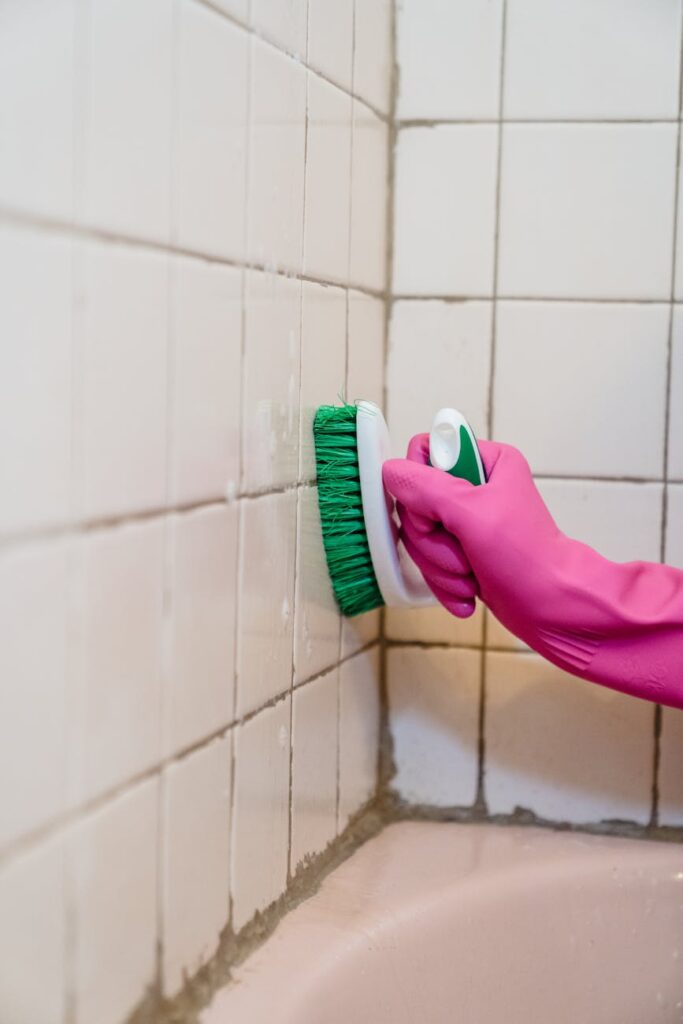
- Use a scrub brush or toothbrush to scrub the grout thoroughly.
- Pay special attention to corners and hard-to-reach areas.
- Use a damp cloth or sponge to wipe away the cleaning solution and mould residue.
- Rinse the area with clean water to ensure no cleaning solution remains.
- Use old towels to thoroughly dry the grout and surrounding tiles.
- Ensure the area is completely dry to prevent future mould growth.
- Check for any cracks or damage in the grout. If significant damage exists, consider re-grouting.
- Vinegar: Spray undiluted white vinegar on the mouldy area and let it sit for 10-15 minutes. Scrub and rinse.
- Baking Soda Paste: Mix baking soda with water to create a paste. Apply it to the grout, scrub, and rinse.
- Bleach Solution: Mix one part bleach with three parts water. Use in well-ventilated areas, apply, scrub, and rinse thoroughly.
- Commercial Cleaners: Look for mould and mildew removers specifically designed for tile grout. Follow the instructions on the label.
- Ignoring Safety: Always wear gloves and a mask when working with harsh chemicals.
- Not Testing Products: Test any cleaning solution on a small area first to ensure it doesn’t damage the grout or tiles.
- Skipping Drying: Failing to dry the area can result in mould returning quickly.
- Using Abrasive Tools: Avoid steel wool or harsh scrubbing pads that can scratch tiles and grout.
- Improve Ventilation: Install exhaust fans in bathrooms and kitchens to reduce humidity levels.
- Regular Cleaning: Clean grout regularly to remove dirt and moisture.
- Seal Grout: Use a grout sealer to create a barrier against moisture absorption.
- Control Humidity: Use dehumidifiers in high-humidity areas to keep moisture levels low.
- Wipe Down Surfaces: After showers or cooking, wipe down tiles and grout to remove excess moisture.
Understanding these causes is the first step in tackling mould and damp issues effectively.
Why This Problem Happens
Mould and damp become problematic when moisture levels remain high for an extended period. Here’s why this happens:
By recognizing why mould and damp occur, you can better address the root causes.
How to Fix Mould & Damp (Step-by-Step)
1. Gather Your Supplies:
2. Prepare the Area:
3. Apply the Cleaning Solution:
4. Scrub the Grout:
5. Rinse:
6. Dry the Area:
7. Inspect for Damage:
Best Cleaning Methods
Here are some effective cleaning solutions you can use for tackling mould in tile grout:
Common Mistakes to Avoid
While trying to fix mould and damp, avoid these common pitfalls:
Prevention Tips
Preventing mould and damp is crucial to maintaining clean grout. Here are some practical tips:
Frequently Asked Questions
1. How often should I clean my tile grout?
Aim to clean your tile grout at least once a month to prevent mould buildup.
2. Can I use bleach on all types of grout?
No, some colored grouts may be damaged by bleach. Always check the manufacturer’s recommendations.
3. What if the mould keeps coming back?
If mould persists, check for underlying issues like leaks or inadequate ventilation.
4. Can I use vinegar and baking soda together?
Yes, but be cautious; they create a fizzy reaction. Use them separately for best results.
5. How can I tell if my grout needs to be replaced?
If you notice significant cracking, discoloration, or it feels soft, it may be time to replace it.
6. Is mould harmful to my health?
While this guide doesn’t provide medical advice, prolonged exposure to mould can cause health issues. If you have concerns, consult a professional.
By following this guide, you can effectively address and prevent mould and damp in your tile grout. Stay tuned for Part 2, where we’ll delve deeper into advanced cleaning techniques and maintenance tips.