
Tile Grout Stains Appliances Guide Part 1
Introduction
Tile grout stains can be a persistent problem in many households, particularly in areas like kitchens and bathrooms. These stains not only detract from the beauty of your tiles but can also harbor bacteria and mold. In this guide, we’ll focus on how various appliances can contribute to grout stains and how you can tackle this issue effectively.
What Causes Appliances?
Appliances can be a hidden source of grout stains due to spills, leaks, and moisture accumulation. Here are some common appliances that can contribute to grout staining:
1. Dishwashers: Water and detergent splashes can often find their way to the grout lines during cycles.
2. Refrigerators: Ice makers may leak, or spills can occur when cleaning or removing items.
3. Washing Machines: Overflows and soap residue can create stains, especially if water seeps into tiled areas.
4. Ovens: Grease and food splatters can drip onto the floor, eventually leading to stained grout.
Why This Problem Happens
These appliances can lead to grout stains for several reasons:
- Moisture: Excess moisture from appliances can penetrate grout lines, causing them to darken and become discolored.
- Chemical Residues: Detergents and cleaning agents used in appliances can leave behind residues that stain grout.
- Food Particles: Spills from cooking appliances can adhere to grout and, if not cleaned promptly, can lead to stubborn stains.
- Grout cleaner or a homemade solution (baking soda and vinegar)
- A soft brush or toothbrush
- A bucket or spray bottle
- Clean cloths or paper towels
- Gloves (optional, for chemical cleaners)
- Not Testing Cleaners: Always test a new cleaner on a small, inconspicuous area before applying it to the entire stain.
- Using Abrasive Tools: Avoid steel wool or harsh scrubbers that can scratch tiles and damage grout.
- Ignoring Sealing: After cleaning, consider sealing the grout to protect it from future stains.
- Neglecting Regular Maintenance: Failing to clean spills immediately can lead to more significant staining issues.
Understanding these factors is crucial for effectively addressing and preventing grout stains.
How to Fix Appliances (Step-by-Step)
Fixing grout stains caused by appliances involves both cleaning the stains and preventing future occurrences. Follow these steps:
Step 1: Assess the Damage
Examine the areas around your appliances to identify how extensive the grout stains are. This will help you determine the best cleaning method.
Step 2: Gather Your Supplies
You will need:
Step 3: Apply the Cleaner
1. For Commercial Grout Cleaners: Follow the instructions on the label.
2. For Homemade Solution: Mix equal parts of baking soda and vinegar to form a paste. Apply this paste to the stained grout.
Step 4: Scrub the Grout
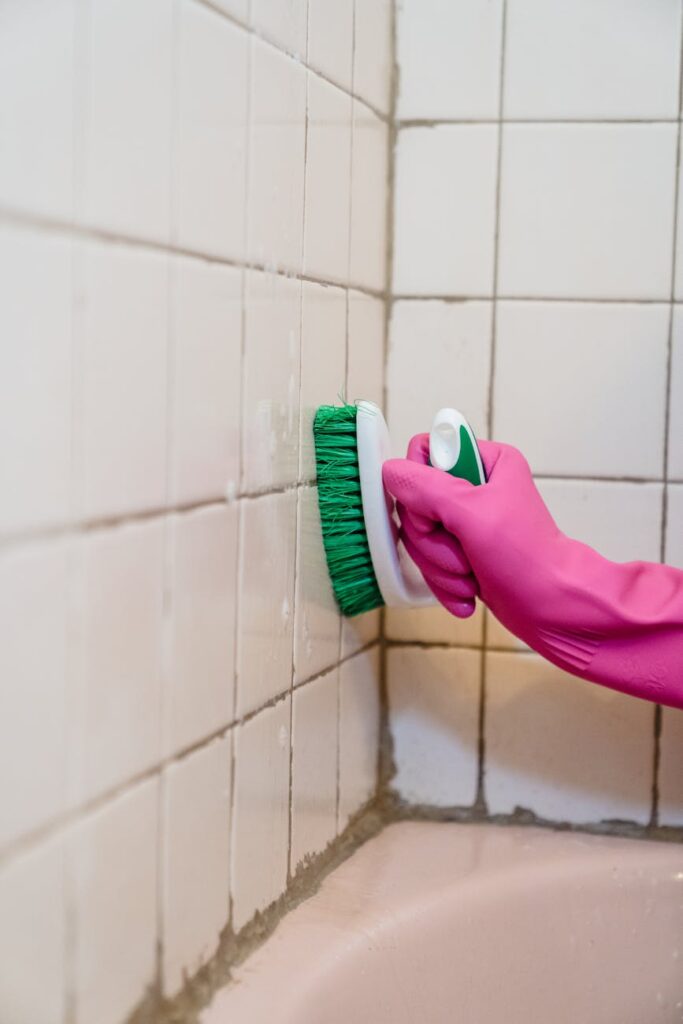
Use a soft brush or toothbrush to gently scrub the grout. Be careful not to damage the surrounding tiles. Focus on areas that are particularly stained.
Step 5: Rinse
After scrubbing, wipe down the area with a clean, damp cloth to remove any residue. Make sure to rinse thoroughly to prevent any cleaner from sitting on your tiles.
Step 6: Dry the Area
Use a dry cloth to wipe the area. This step is crucial to prevent future moisture accumulation that could lead to more stains.
Best Cleaning Methods
Several effective methods can be used to clean grout stains:
1. Baking Soda and Vinegar: This natural combination is effective for lifting stains. It is safe for most surfaces and helps disinfect.
2. Hydrogen Peroxide: Apply hydrogen peroxide to stubborn stains and let it sit for about 10-15 minutes before scrubbing.
3. Steam Cleaners: If you have a steam cleaner, it can be an excellent tool for deep cleaning grout without chemicals.
4. Commercial Grout Cleaners: These are formulated for tough stains and can be very effective, but always read the instructions carefully.
Common Mistakes to Avoid
To ensure effective cleaning and avoid further issues, keep these common mistakes in mind:
Prevention Tips
Preventing grout stains is easier than dealing with them after they occur. Here are some practical tips:
1. Seal Your Grout: Apply a grout sealer every 6-12 months to create a protective barrier against stains.
2. Regular Cleaning: Incorporate grout cleaning into your regular cleaning routine. A simple wipe down with a damp cloth can help prevent buildup.
3. Promptly Clean Spills: Address any spills from appliances immediately to prevent them from setting into the grout.
4. Use Mats or Rugs: Place mats under appliances prone to spills, like dishwashers and refrigerators, to catch drips.
5. Check for Leaks: Regularly inspect appliances for leaks and address any issues promptly to minimize moisture exposure.
Frequently Asked Questions
1. How often should I clean my grout?
It’s advisable to clean your grout every few months, but more frequent cleaning may be necessary in high-traffic areas or after spills.
2. Can I use bleach on my grout?
While bleach can be effective for whitening, it can also damage grout and surrounding tiles. Use it cautiously and always follow with thorough rinsing.
3. Is steam cleaning safe for all types of grout?
Most types of grout are safe for steam cleaning, but if unsure, test a small area first.
4. How do I know if my grout needs sealing?
If water soaks into the grout rather than beading on the surface, it’s time to reseal.
5. What should I do if stains persist after cleaning?
For stubborn stains, consider using a professional grout cleaning service or consult with a flooring expert for specialized solutions.
6. Are there any natural alternatives to commercial cleaners?
Yes, a mixture of baking soda and vinegar or hydrogen peroxide can effectively clean grout without harsh chemicals.
By understanding the sources of grout stains and taking proactive measures, you can maintain the beauty and cleanliness of your tiled surfaces. Stay tuned for Part 2, where we’ll delve deeper into specific cleaning techniques and more advanced solutions!