
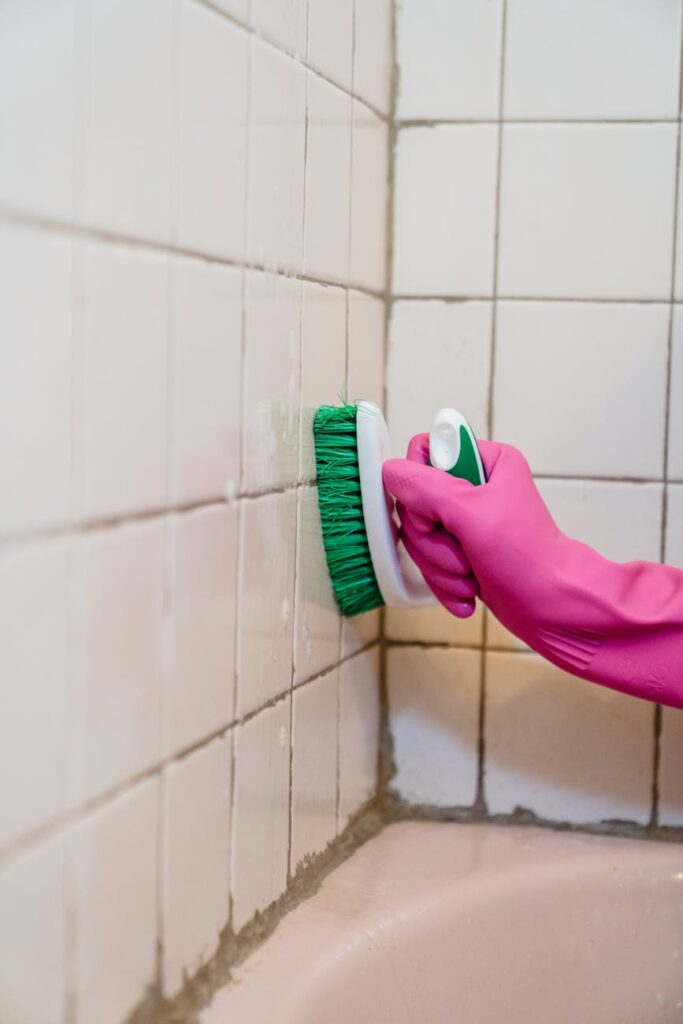
Tile Grout Cleaning Stains Guide Part 1
Introduction
Tile grout is often the unsung hero of our homes, providing both structure and style. However, it’s also a prime target for stains, dirt, and mildew. If you’ve noticed unsightly discoloration in your grout, don’t worry! This guide will walk you through the causes of these stains, how to fix them, and how to prevent them from coming back.
What Causes Stains?
Grout stains can stem from a variety of sources, including:
- Dirt and Dust: Everyday foot traffic can lead to grime buildup.
- Food and Beverage Spills: Common kitchen mishaps can leave lasting marks.
- Mildew and Mold: Damp areas, especially bathrooms, can foster growth.
- Hard Water: Mineral deposits can create unsightly discoloration.
- Cleaning Products: Some cleaners can leave behind residue that darkens grout.
- Baking soda
- White vinegar
- Hydrogen peroxide
- An old toothbrush or grout brush
- Spray bottle
- Soft cloths
- Warm water
- Optional: Commercial grout cleaner
Understanding the source of your stains is the first step toward effective cleaning.
Why This Problem Happens
Grout is porous, which means it can absorb liquids and dirt. Over time, this absorption leads to discoloration and staining. Areas with high moisture levels, like kitchens and bathrooms, are particularly prone to these issues. Regular cleaning can mitigate some of these problems, but without proper techniques, stains can become ingrained.
How to Fix Stains (Step-by-Step)
Step 1: Gather Your Supplies
Before you begin, gather the following items:
Step 2: Create a Cleaning Paste
1. Mix Baking Soda and Water: Combine equal parts baking soda and water to create a thick paste.
2. Apply the Paste: Spread the paste onto the stained grout lines.
Step 3: Spray with Vinegar
1. Spritz Vinegar: In a spray bottle, mix equal parts water and white vinegar. Spray this solution over the baking soda paste.
2. Let it Bubble: Allow the mixture to fizz and sit for about 5-10 minutes. This reaction helps lift stains.
Step 4: Scrub the Grout
1. Use a Brush: Take your old toothbrush or grout brush and scrub the stained area gently.
2. Focus on Stains: Apply more pressure on stubborn stains, but be careful not to damage the grout.
Step 5: Rinse and Dry
1. Rinse with Warm Water: Use a damp cloth to wipe away the paste and vinegar solution.
2. Dry the Area: Pat the grout dry with a clean cloth to prevent further moisture absorption.
Step 6: Repeat if Necessary
If stains persist, you might need to repeat the process or consider using hydrogen peroxide for tougher stains.
Best Cleaning Methods
1. Baking Soda and Vinegar
This classic combination is effective for general stains and mildew. It’s safe for most tile surfaces and inexpensive.
2. Hydrogen Peroxide
For tougher stains, especially those caused by mold, apply hydrogen peroxide directly to the stain. Let it sit for 10-15 minutes before scrubbing.
3. Commercial Grout Cleaners
If home remedies don’t do the trick, consider commercial products specifically designed for grout. Always follow the manufacturer’s instructions for best results.
4. Steam Cleaning
For a deeper clean, use a steam cleaner. The high temperature can kill mold and loosen grime without harsh chemicals.
Common Mistakes to Avoid
1. Using Abrasive Tools: Avoid steel wool or harsh scrubbing pads as they can scratch tiles and damage grout.
2. Skipping Rinsing: Failing to rinse can lead to residue buildup, making stains worse.
3. Overusing Chemicals: Excessive use of commercial cleaners can weaken grout over time.
4. Neglecting Regular Maintenance: Clean grout regularly to prevent deep stains from forming.
Prevention Tips
1. Seal Grout: Applying a grout sealer can protect against stains and moisture penetration.
2. Regular Cleaning: Sweep and mop regularly to prevent dirt buildup.
3. Wipe Up Spills: Clean spills immediately to avoid staining.
4. Ventilate Areas: Use fans or dehumidifiers in bathrooms and kitchens to reduce moisture.
5. Use Mats: Place mats in high-traffic areas to minimize dirt transfer.
Frequently Asked Questions
1. How often should I clean my grout?
It’s advisable to clean your grout every 1-3 months, depending on usage and exposure to moisture.
2. Can I use bleach on my grout?
While bleach can be effective for white grout, it may discolor colored grout. Always test in a small area first.
3. How do I know if my grout needs sealing?
If water absorbs quickly into the grout rather than beading up, it’s time to reseal.
4. What’s the best way to remove mold from grout?
Hydrogen peroxide is highly effective against mold. Apply it directly to the affected area, let it sit, and scrub.
5. Can I use a steam cleaner on all types of grout?
While steam cleaning is generally safe, always check the manufacturer’s guidelines for your specific tiles and grout.
6. What should I do if my grout is cracked?
If you notice cracks, it may require re-grouting. This process involves removing the damaged grout and applying new material.
—
By following this guide, you’ll be well on your way to restoring the appearance of your tile grout. Remember, prevention is key, so keep up with regular cleaning and maintenance to enjoy a cleaner, brighter home!